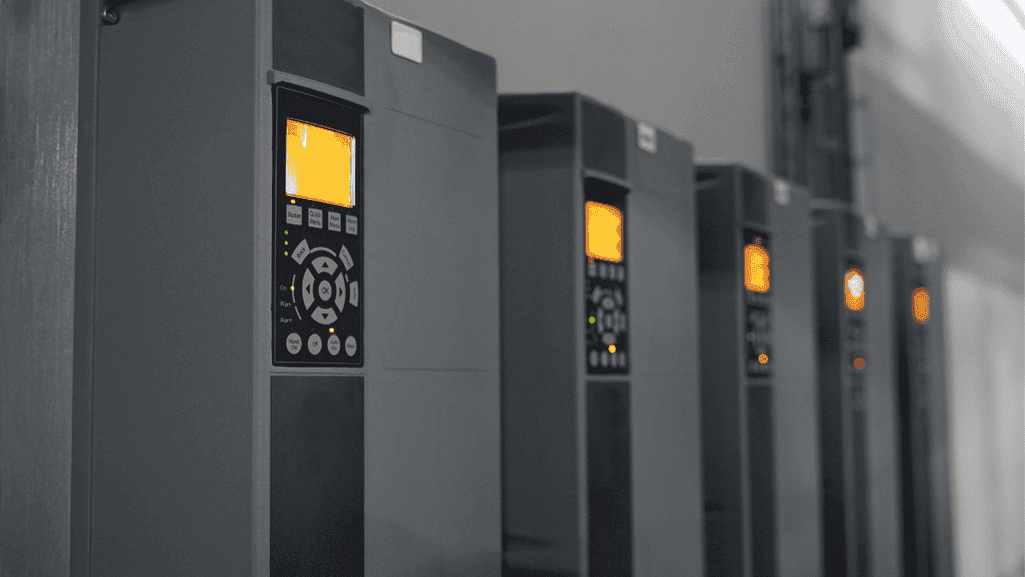
Electricity powers most of the devices we rely on every day, so choosing the right inverter matters. A 24v inverter pure sine wave system converts battery direct current (DC) into clean alternating current (AC) like what you get from the grid — ideal for running home appliances and sensitive electronics.
Pure sine wave inverters produce a smooth, low-harmonic waveform that reduces interference and risk of damage to equipment such as computers, medical devices, and audio/video gear. That makes a sine wave inverter the safer choice when you need reliable, high-quality power.
These 24v DC-to-AC power inverters come in a wide range of continuous output ratings — commonly from a few hundred watts up to several thousand watts — so you can size a system for portable use, RVs, or whole-home backup. Note: surge (startup) capacity varies by model, so always verify the specific surge rating on the datasheet rather than relying on a single example number.
Look for core protections when selecting a 24v pure sine inverter: over-voltage, under-voltage, overload, over-temperature, and short circuit protection. These safety features help protect your battery bank and connected devices and improve long-term reliability.
Most modern low-frequency inverters maintain stable 50Hz or 60Hz output (region dependent) and may include remote control or monitoring options — useful for RVs, remote cabins, and installations where the inverter is not easily accessible.
In short, a quality 24v inverter pure sine solution delivers clean, quiet power, a range of wattage options, and robust safety features. Next step: calculate your total running and starting load to pick the right inverter and battery capacity for your setup.
Key Takeaways:
- 24v inverter pure sine wave systems convert battery DC into clean AC power suitable for homes and sensitive electronics
- Pure sine wave inverters reduce harmonic distortion and protect delicate equipment
- 24v power inverters are available in many continuous wattages — check each model’s surge rating for starting loads
- Essential protections include over-voltage, under-voltage, overload, over-temperature, and short circuit protection
- Low-frequency (50/60Hz) designs provide steady output; remote monitoring adds convenience for RVs and remote installations
- Use a load-sizing checklist or calculator to confirm the inverter and battery capacity you need before purchase
- Inverters are a critical component for off-grid and backup power systems
Introduction to 24v Pure Sine Wave Inverters
24v pure sine wave inverters are a reliable choice for off-grid applications and backup power. They convert DC energy stored in batteries into clean AC power suitable for household appliances and sensitive electronics. Below we explain what these inverters do, why they outperform modified designs, and which specs to check when sizing a 24-volt system.
What are Pure Sine Wave Inverters?
A pure sine wave inverter converts DC from a battery bank into an AC waveform that closely matches utility power. Because the output is smooth and low in harmonic distortion, a sine wave inverter is safe for devices such as computers, medical equipment, and audio-video systems. For solar installations, high-quality solar power inverters with true sine outputs ensure compatibility with the widest range of loads.
Advantages of Pure Sine Wave Inverters over Modified Sine Wave Inverters
Modified sine wave inverters are less expensive but produce a stepped waveform that can cause noise, reduced efficiency, or even malfunction in some devices. Pure sine models offer:
- Cleaner, more reliable power for sensitive electronics (e.g., laptops, CPAP machines, medical monitors)
- Lower harmonic distortion and quieter operation for audio/video gear
- Broader appliance compatibility, including motors and variable-speed devices
When evaluating a 24v inverter for off-grid power, treat published numbers as representative examples and always confirm specs from the manufacturer’s datasheet for the exact model you plan to buy.
Example specification ranges (model-dependent):
| SpecificationTypical Value (example) | |
| Continuous Output Power | ~300–4000 Watts (pick based on your total running load) |
| Surge Rating (startup) | Typically 2–3× continuous for short durations — check model datasheet |
| Nominal Efficiency | ~85–95% depending on model and load |
| Line Mode / AC Efficiency | often >90% in good designs |
| Output Frequency | 50Hz or 60Hz (±0.3Hz typical) — choose per regional needs |
Choosing a high-quality 24v pure sine wave inverter gives peace of mind: clean, stable power and wider device compatibility. Next: use a load-sizing calculator (link in the sizing section) to determine the continuous and surge ratings you need and to confirm battery capacity for your system.
How 24v Inverter Pure Sine Technology Works
A 24v pure sine wave inverter converts DC stored in a battery bank into AC power your appliances and electronics use. The conversion happens in clear stages; each step helps deliver a clean, stable sine waveform with controlled voltage and frequency so sensitive devices run safely.
Converting DC to AC Power
At a high level the conversion process usually follows three stages:
- Oscillator/Signal Generation: A control circuit (often IC-driven) produces a precise AC waveform reference — the raw sine pattern.
- Amplifier/Booster: That waveform is boosted to higher current using power transistors or MOSFETs so it can drive loads.
- Output Stage and Filtering/Transformer: The amplified signal is stepped and filtered to the desired AC voltage (typical outputs include 110V/120V or 220V/230V/240V depending on region) and conditioned to reduce noise and harmonics.
Put simply: the inverter creates a sine signal, raises its power level, and then shapes it into clean AC output. A properly designed sine wave inverter provides low distortion and stable voltage so motors, electronics, and audio/video equipment run reliably.
Maintaining Stable Frequency and Voltage Output
Modern power inverter 24v units use microprocessor control to hold the output frequency (50Hz or 60Hz) and regulate output voltage under varying loads. Features such as soft-start reduce inrush stress on motors, and power-saving modes lower idle consumption when loads are small. These controls keep the output stable for sensitive equipment and help preserve battery life.
Buyer note: numerical specifications (output power, surge capability, efficiencies, charger rates, idle draw, transfer times) differ by model — always confirm exact values on the manufacturer’s datasheet.
| SpecificationExample / Typical Range (model-dependent) | |
| Output Power | From a few hundred watts up to several thousand watts continuous; surge often 2–3× continuous for short periods |
| Efficiency | Nominal efficiency commonly ~85–95% depending on load and design |
| Charger Rate / AC Input | Model dependent (e.g., 50–100A charger options); AC input ranges vary — check datasheet |
| Idle Consumption | Often in the tens of watts; power-saving mode can drop idle to lower values |
| Transfer Time | Typically 5–20 ms for inverter/charger transfer — check model spec |
Example: a inverter with a 4000W continuous rating and a 12000W surge can handle large motor starts (surge sized for seconds), but actual surge capability must be verified per model. For buyer compatibility, use this simple checklist: confirm desired output voltage (120V vs 240V), required frequency (50/60Hz), continuous output and surge ratings, waveform type (pure sine), and safety protections (including short circuit and over-temperature).
Advanced conversion electronics and intelligent control make a 24v solar inverter or off-grid inverter a reliable centerpiece for RVs, boats, and remote homes. Understanding these stages and specs helps you choose the right wave inverter for your system and ensures safe, efficient operation.
Benefits of Using a 24v Pure Sine Wave Inverter
Choosing a 24v pure sine wave inverter delivers several practical advantages for homes, communication systems, and renewable-energy setups. Below are the main benefits and how they translate to real-world use.
Clean, Reliable Power for Sensitive Electronics
24v pure sine wave inverters produce a smooth sinusoidal waveform with low harmonic distortion (typical modern units often achieve THD <3% at rated load). That clean output reduces noise, prevents interference, and minimizes risk of damage to sensitive equipment — laptops, medical devices, CPAP machines, and AV gear run more reliably on a true sine wave inverter.
Suitable for Off-Grid and Backup Power Applications
These inverters are ideal for off-grid locations like RVs, boats, and remote cabins because they convert stored DC battery energy into AC for everyday appliances. A 24v system often offers a good balance of efficiency and wiring convenience for medium-sized installations; compared with 12v systems it can reduce cable thickness and line losses for the same power, though for very large systems 48v may be more efficient overall (system choice depends on load and distance).
Common appliance examples and typical running wattages to consider:
- Refrigerator / fridge compressor: 100–800W running, higher start-up surge
- Microwave: 600–1,200W running
- CPAP machine: 30–60W running (requires clean sine output)
| Inverter TypeIdeal ApplicationTypical Efficiency | ||
| 12v Inverter | Small, short-distance setups (camping, small RV) | Good (higher cable losses at long runs) |
| 24v Inverter | Medium-sized systems (larger RVs, small off-grid homes) | Higher overall efficiency for medium runs |
| 48v Inverter | Large installations (whole-home, long cable runs) | Often highest system efficiency |
Quiet Operation and Low Harmonic Distortion
Pure sine wave designs are generally quieter and produce lower electrical noise than modified sine alternatives. That improves audio and video quality and reduces audible inverter noise in living spaces — a clear advantage for homes, offices, and medical settings.
In short, a quality 24v pure sine wave wave inverter gives you clean, quiet, and compatible power for a wide range of loads. When choosing, verify THD and efficiency numbers on the datasheet, and match inverter continuous and surge ratings to your appliance loads to ensure reliable operation.
Want model suggestions for RV, solar, or home backup? See the recommended models section below to compare features, protections, and efficiency for typical use cases.
Key Features to Look for in a 24v Pure Sine Wave Inverter
Whether you need a solar inverter, RV inverter, marine inverter, or a heavy-duty unit for a larger off-grid system, certain features matter most. Below each feature is explained briefly — why it matters and what to check on the spec sheet when comparing 24v pure sine wave models.
Power Output and Surge Capacity
Why it matters: Continuous output determines what loads you can run at once; surge (startup) rating handles motors and compressors. What to check: add the running watts of all devices, then allow for startup surges (motors often need 1.5–3× running wattage).
Quick sizing rule: total running watts × 1.2–2.0 to cover startup needs and future growth. Example: a fridge (600W start, 200W run) plus microwave (1000W) needs an inverter with adequate continuous and surge capacity.
Efficiency and Power-Saving Modes
Why it matters: Higher inverter efficiency means less energy wasted and longer battery runtime. What to check: look for nominal efficiency and idle consumption; many quality models report >85–95% efficiency depending on load. Power-saving or ECO modes reduce idle draw when loads are small.
Safety Features and Protections
Why it matters: Protections safeguard your inverter, batteries, and connected appliances. What to check: confirm the presence of over-voltage protection, under-voltage (battery low) cutout, overload protection, over-temperature protection, and short circuit protection. Also look for audible alarms (voltage alarm) and clear fault indicators.
- Over voltage protection — prevents damage from high input voltage
- Under voltage/battery low protection — prevents deep discharge of batteries
- Overload/short circuit protection — prevents catastrophic faults
- Over temperature protection — preserves inverter life
Remote Control and Monitoring Options
Why it matters: Remote monitoring and control give you system visibility and convenience. What to check: wired or wireless remote, Bluetooth/mobile app support, LCD or LED displays showing real-time voltage, current, and fault codes.
Modern sine wave inverter designs often include programmable settings, temperature control, and networked monitoring for larger installations.
Other Practical Considerations
Input/output compatibility — confirm the inverter output voltage (120V vs 240V) and frequency (50Hz or 60Hz) match your grid or appliance needs. Check charger rate and AC input range if the inverter includes a charger/transfer function.
Cable and installation guidance — the inverter’s max continuous output and distance to the battery determine cable gauge; undersized cables increase voltage drop and heat. Always follow the manufacturer’s wiring recommendations.
| Inverter Model (example)Continuous Output PowerSurge RatingNominal Efficiency | |||
| 300W 24V Pure Sine Wave Inverter (example) | 300W | 600W | >85% |
| 500W 12V Pure Sine Wave Inverter (example) | 500W | 1000W | ~95% |
| 1500W 48V Pure Sine Wave Inverter (example) | 1500W | 3000W | >90% |
| 4000W 24V Pure Sine Wave Inverter (example) | 4000W | 12000W (20 seconds) | >88% |
Note: the table above shows illustrative examples — actual values are model-specific. Always verify continuous output, surge rating, efficiency, and protections on the manufacturer datasheet before buying.
Buying checklist (copy/paste): total running watts, highest startup amp/watt, desired continuous output (+10–20% margin), surge rating, nominal efficiency, idle consumption, required protections, remote monitoring, output voltage/frequency, charger rate (if applicable), and recommended cable gauge.
By following this feature-first approach and using the checklist, you can compare pure sine wave models side-by-side and pick the best 24v wave inverter for your system, whether it’s a portable power inverter for weekend use or a high-wattage inverter for a solar energy installation.
Applications of 24v Pure Sine Wave Inverters
24v pure sine wave inverters are versatile components used wherever clean, stable AC power is needed from a DC source. They convert battery or solar DC into utility-like AC, making them suitable for sensitive electronics and a wide range of appliances. Below are the most common applications with practical sizing guidance.
RV and Marine Use
For RV and marine setups, reliable on-board power improves comfort and safety. A 24v wave inverter can run fridges, lights, entertainment systems, and small air conditioners when sized correctly.
- Typical loads: LED lights (10–50W), fridge (200–800W running, 600–2000W start), TV and receivers (50–300W)
- Recommended inverter sizes: 1500–3000W for typical RV setups; 3000–5000W if you plan to run air conditioning or heavy appliances
- Tip: check surge/start ratings carefully — compressors require much higher short-term power than running watts
Solar Power Systems
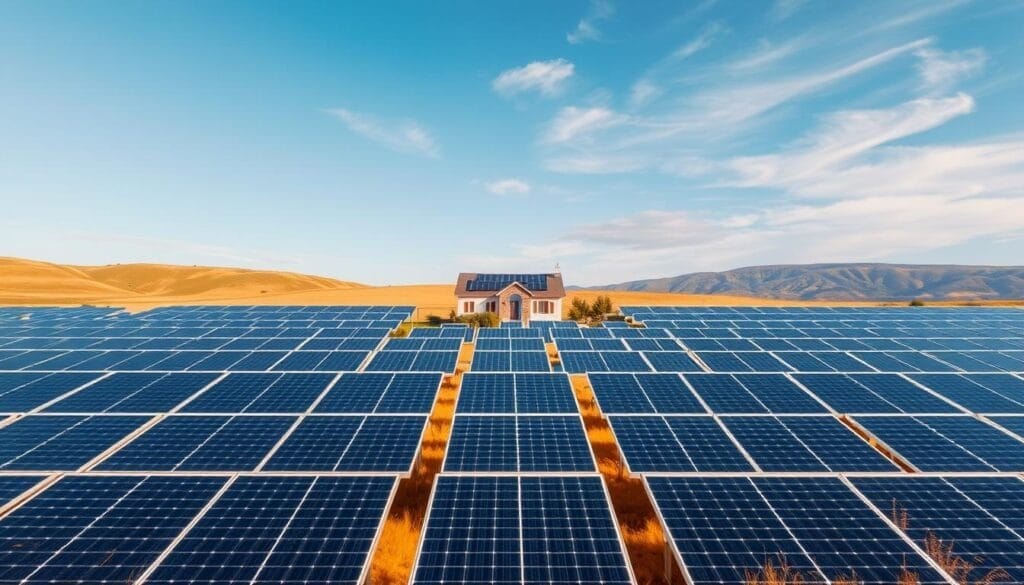
In grid-tied or off-grid solar systems, a 24v pure sine wave inverter turns DC from solar-charged batteries into AC for home or cabin use. Choosing the right inverter and battery capacity ensures efficient energy use and reduces reliance on the grid.
- Typical systems: small off-grid cabin (24V battery bank + 1500–3000W inverter), larger solar systems often use 48V for improved efficiency over long runs
- Key considerations: pair the inverter with an appropriate charge controller/MPPT and right-sized battery bank to match daily load and autonomy needs
- Example: a 24V system with a 3000W inverter and sufficient battery capacity can run most household loads for limited durations — confirm component specs for actual runtime
Emergency Backup Power
For backup power during outages, 24v off-grid inverters can keep essential devices running. They work with battery banks and can be combined with generators to extend uptime.
- Common backup loads: refrigerators, medical devices (CPAP), lights, communications, and selected circuits in the home
- Recommended inverter sizes: 3000–6000W for critical-circuit backup in many homes; larger split-phase or 240V solutions may be needed for whole-house coverage
- Tip: design your backup system around essential loads, size for surge requirements, and ensure safe transfer switching between grid and inverter/generator
| ApplicationExample LoadsSuggested 24V Inverter Size | ||
| RV and Marine | Fridge, lights, TV, small A/C | 1.5–5 kW |
| Solar Power Systems (small off-grid) | Lighting, appliances, outlets | 1.5–4 kW (24V systems) |
| Emergency Backup | Refrigerator, medical devices, essential circuits | 3–6 kW (or larger split-phase) |
Other uses include powering tools at remote job sites, outdoor events, and mobile businesses. The clean output from a pure sine wave inverter ensures sensitive electronics and motors operate smoothly.
When selecting a 24v inverter charger or 24v RV inverter, focus on matching power output, surge capability, efficiency, and safety protections to your real-world appliance list and battery capacity.
For step-by-step help: if you need X (overnight RV use), choose Y (24V 1500–3000W). If you want whole-home backup, consider higher continuous outputs or split-phase 24V solutions paired with a properly sized battery bank and transfer switch. See the sizing checklist and RV/solar buying guides elsewhere on this site for detailed calculators and model recommendations.
24v Inverter Pure Sine: Top Brands and Models
Choosing a reliable 24v pure sine wave inverter matters for long-term performance and safety. The right inverter supports your emergency power backup plans, off-grid living, or RV setup. Below are popular brands and representative models to consider; always verify current specs and pricing on the manufacturer product page before purchasing.
SunGoldPower is a well-known brand offering several 24v options. One frequently cited model is their 4000W 24V inverter charger (see product page for current pricing). This class of inverter typically supports both 120V and 240V output, includes a multi-stage charger and transfer switch, and is suited for larger off-grid or backup systems. Check the product listing for up-to-date weight and dimensions if shipping is a concern.
| BrandModel (example)Continuous PowerPeak PowerKey Features | ||||
| SunGoldPower | 4000W 24V Inverter Charger | 4000W | 12000W (short surge) | 120V/240V output options, onboard charger, transfer switch |
| SunGoldPower | 6000W 24V Split Phase Inverter | 6000W | 18000W | Split-phase 120/240V, multiple working modes, battery charging |
| WZRELB | 3000W–5000W 24V Inverters | 3–5 kW | 6–10 kW | USB ports, remote control, LCD display |
| Reliable | 2500W–4000W 24V Inverters | 2.5–4 kW | 5–8 kW | LCD display, multiple protections, efficient cooling |
SunGoldPower’s 6000W split-phase models are often recommended for larger homes or businesses that need higher continuous output and split-phase 240V capability. For smaller systems or RV use, compact 3000–4000W 24v inverters from WZRELB or Reliable can offer a good balance of features, protections, and cost.
User testimonial (example): “I am 100% satisfied with the 24V/6000W inverter and AC charger — it performs reliably for my off-grid setup.” — verify date/source on the review
How to pick between models: categorize needs as “Best for RV/van”, “Best for home backup”, or “Best value” and compare continuous output, surge capacity, efficiency, protections (over-voltage, under-voltage, short circuit), and warranty/support. Also factor in shipping weight and dimensions if installation access or shipping cost is important.
Tip: always click through to the manufacturer product page to confirm current specs, MSRP, and shipping details before ordering — product pages and datasheets provide the authoritative values for output voltage, charger rates, weight, and safety features.
Installation and Maintenance Tips
Proper installation and routine maintenance maximize the life and performance of your 24v pure sine wave inverter. Whether the unit powers an RV, truck, or solar power system, follow these practical, safety-first steps. See this detailed guide for expanded procedures.
Proper Sizing and Wiring
Start by sizing the inverter to match your loads. Add running watts for all devices you plan to run simultaneously, then include surge capacity for motors and compressors. A good rule: choose an inverter with 10–20% more continuous output than your calculated running watts, and ensure surge rating covers startup loads.
Wiring guidance (general): use the correct gauge cables between the batteries and inverter to minimize voltage drop and heat. Longer runs require thicker cables. Follow the manufacturer’s recommended cable gauge and torque specs; undersized or loose connections increase losses, risk overheating, and can cause short circuits or fires.
Battery Selection and Maintenance
Pick deep-cycle batteries sized for your required capacity and expected runtime. Note the differences in maintenance per battery type:
- Flooded lead-acid: check electrolyte levels regularly and top with distilled water as needed; equalize per manufacturer schedule.
- AGM/Gel: maintenance-free (no electrolyte checks), but keep terminals clean and ensure proper charging profiles.
- LiFePO4 / Lithium: low maintenance, but require compatible charge settings and BMS (battery management system).
Monitor battery state-of-charge and avoid repeated deep discharges — a voltage alarm or battery low protection helps prevent premature capacity loss.
Inverter Care and Troubleshooting
Regular checks keep the inverter operating well: ensure vents are clear, mounting hardware is secure, terminals are clean, and firmware (if applicable) is up to date. Watch operating temperature — over-temperature protection trips exist for a reason. If output voltage drifts or the unit repeatedly faults, inspect wiring, battery health, and input voltage.
Common troubleshooting steps:
- Verify battery voltage and connections (tight, corrosion-free).
- Check for overload conditions — reduce loads and test.
- Inspect thermal environment and improve ventilation if overheating.
- Consult the manual fault codes; contact manufacturer support if persistent.
Pure sine wave inverters are generally more energy-efficient than modified sine models and better for sensitive electronics — but correct installation and battery matching are essential to realize those efficiencies.
If you encounter issues with a truck or RV inverter, consult the product manual or the inverter review pages (for example, truck inverter reviews) for common fixes. When in doubt, contact manufacturer customer support — include model, serial number, battery voltage, and a description of the problem to speed troubleshooting.
Quick Installation Checklist
- Confirm inverter continuous output and surge ratings meet your loads (+10–20% margin)
- Choose battery type and capacity to meet runtime and autonomy needs
- Use manufacturer-recommended cable gauge for battery distance (avoid voltage drop)
- Ensure ventilation (follow spec sheet; convert any metric vent areas to inches for installers)
- Enable voltage alarms and configure under-voltage cutouts to protect batteries
- Test end-to-end system under expected loads before relying on it for critical use
Following these steps will help your 24v pure sine inverter and batteries deliver reliable power for years. If you need help sizing or wiring, use an online wiring calculator or contact a certified installer — don’t guess when safety and performance are on the line.
Frequently Asked Questions about 24v Pure Sine Wave Inverters
Considering a 24v pure sine wave inverter for backup or off-grid use? Below are concise, scannable answers to the most common questions to help you choose and size the right unit.
Q: What is the difference between a modified sine wave inverter and a true (pure) sine wave inverter?
Short answer: Pure sine wave inverters produce smooth, grid-like AC and are safe for sensitive electronics; modified sine units produce a stepped waveform and can cause noise or malfunctions in some devices.
Longer answer: A sine wave inverter outputs a clean sinusoidal waveform with low harmonic distortion, making it compatible with computers, medical gear, and audio/video equipment. Modified sine (stepped) wave inverters are less expensive but can cause motor whine, reduced efficiency, or erratic behavior in some appliances.
Q: How do I determine the inverter size I need?
Short answer: Add the running watts of all devices you’ll run simultaneously, then allow 10–20% extra and ensure the inverter surge rating covers startup loads.
Longer answer: Create a load list (each device’s running watts). Sum running watts, then add margin for future growth (10–20%). For motors/compressors, check startup surge (often 1.5–3× running watts). Common inverter sizes include 400W, 750W, 1000W, 1500W, 2000W, 2500W, 3000W, and up to multi-kW models for whole-home or heavy loads.
Q: What is the efficiency of a 24v pure sine wave inverter?
Short answer: Modern pure sine inverters typically range from about 85% to 95% efficiency depending on model and load; higher efficiency means less battery drain.
Longer answer: Efficiency varies by design and operating point. Some high-end inverters exceed 92% at optimal load, while others show somewhat lower nominal values. Check the manufacturer datasheet for nominal efficiency, line-mode efficiency, and idle consumption to understand real-world battery impact.
Q: Can I power an air conditioning unit with a 24v inverter?
Short answer: Yes—if the inverter and battery bank are sized to handle both the running and very large startup surge of the A/C compressor.
Longer answer: Small wall or window A/C units can be run from a properly sized 24v system, but you must ensure the inverter’s surge rating covers the compressor start and that batteries and charging sources can supply the required current. For frequent A/C use, plan for a large inverter, robust battery capacity, and appropriate charging (solar + generator or grid input).
Q: What are the ventilation requirements for a 24v inverter?
Short answer: Provide adequate airflow per the inverter’s manual; typical requirements are modest but vary by size—follow the datasheet for vent areas and clearance.
Longer answer: Many inverters specify minimum inlet/outlet vent areas (sometimes given in cm²). For American installers, convert those specs to square inches and follow recommended clearances around the unit to prevent overheating. Larger inverters need more ventilation or active cooling; monitor operating temperature and ensure over-temperature protection is enabled.
Example calculation
Scenario: an 850W coffee maker running for 5 minutes. To estimate battery draw, convert AC watts to DC amp-hours using inverter efficiency and system voltage. Example (illustrative only): 850W / 0.9 (inverter eff.) = ~944W DC. At 12V that’s ~78.7A; over 5 minutes (0.083 hours) = ~6.5 Ah. For 24V systems the current halves (roughly 39A for 5 minutes). Always do the math with your inverter’s actual efficiency and system voltage.
If you still have questions or need help sizing a system, use a load-sizing calculator or contact support with your device list, desired runtime, and battery type — that information helps pick the right 24v pure sine wave inverter for your needs.
Conclusion
24v pure sine wave inverters deliver clean, reliable AC power from battery banks, making them an excellent choice for off-grid systems, RVs, boats, home backup, and sensitive appliances. When selected and installed correctly, they provide stable voltage and low noise that keeps electronics running safely.
Next steps: 1) calculate your total running and surge loads, 2) choose an inverter with adequate continuous output and surge capacity (+10–20% margin), 3) size the battery bank and charger to match your expected runtime, and 4) follow proper wiring and ventilation guidelines for safe operation.
Focus on efficiency, safety features (over/under voltage, short-circuit and over-temperature protection), and remote monitoring if you need visibility into system performance. If you need help selecting the right unit, use a load-sizing calculator or contact a certified installer to compare recommended models and confirm compatibility with your batteries and appliances.
FAQ
What is a pure sine wave inverter?
What are the advantages of a pure sine wave inverter over a modified sine wave inverter?
What should I consider when selecting a 24v pure sine wave inverter?
What are some common applications for 24v pure sine wave inverters?
What should I keep in mind when installing and maintaining a 24v pure sine wave inverter?