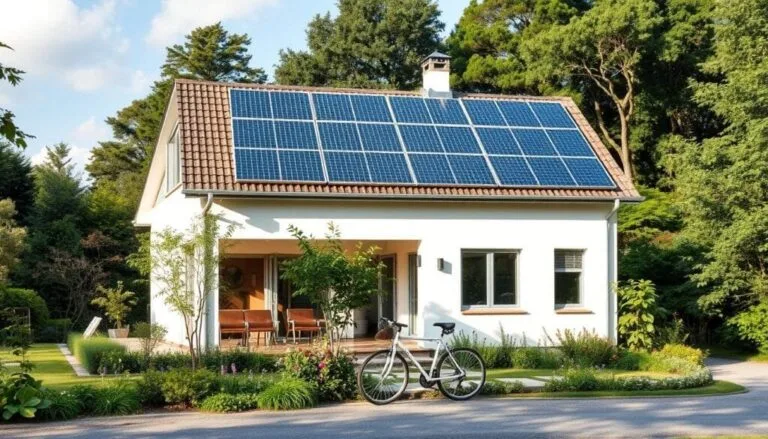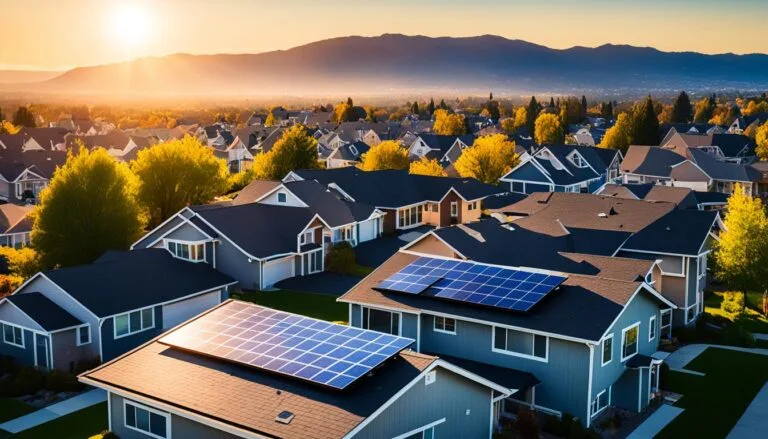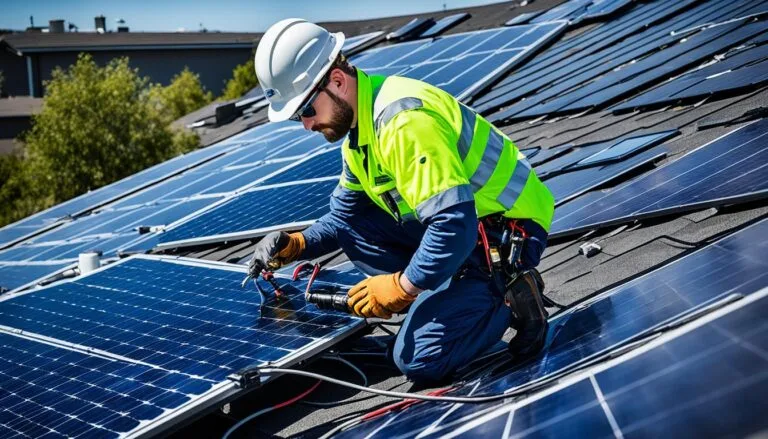
Solar energy is an increasingly popular clean energy choice for homes, but it isn’t without trade-offs. Before you invest in solar panels, understand the common disadvantages of solar energy—like high upfront costs, weather dependence, limited roof space, and environmental concerns during manufacturing—so you can decide if solar is the right energy solution for your home.
While solar offers clear benefits and long-term savings for many homeowners, some realities matter: the initial investment can be significant, panels produce less power in cloudy or shaded conditions, and storage or maintenance can add to lifetime costs. This guide walks through the main pros and cons so you can weigh advantages of solar energy against its drawbacks.
Key Takeaways
- Disadvantages of solar energy include high upfront costs, variable production due to weather, and potential environmental impacts from manufacturing.
- Solar energy can reduce electricity bills long-term, but savings depend on location, roof suitability, and available incentives.
- Limited roof space and expensive storage solutions are common barriers for many homes.
- Solar panels have efficiency limits and require occasional maintenance that adds to lifetime costs.
- Location and climate strongly affect solar power production — check local solar potential before investing.
Ready to see how solar might work for your home? Use our cost calculator to compare systems and estimate savings.
High Upfront Costs of Solar Panel Installation
One of the largest barriers to adopting solar energy is the upfront cost. Installing a residential solar panel system requires purchasing panels, inverters, mounting hardware, wiring, and other balance-of-system components — plus professional labor — which adds up quickly.
Expensive Initial Investment for Homeowners
National averages for a typical residential system in 2024 commonly fall in the range of $18,000 to $20,000 before incentives. That sticker price can be reduced substantially with federal tax credits, state rebates, and local incentives, but the out‑of‑pocket investment remains significant for many households.
Over the lifetime of a system (commonly measured at 25 years), many homeowners see meaningful savings on electricity costs — estimates often range from roughly $25,000 to more than $110,000 in avoided utility bills — but these figures depend heavily on local electricity rates, system size, and net metering rules.
Cost of Solar Panels, Inverters, and Other Equipment
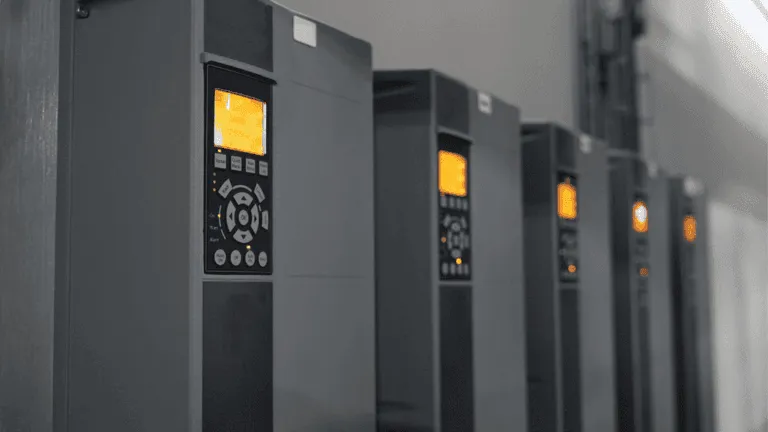
Component costs vary by quality and capacity. Solar panels are typically the largest single line item; depending on panel efficiency and system size, panel costs can range widely. Inverters, which convert DC to AC power, represent another important expense and choice (string inverters, microinverters, or optimizers all differ in price and performance).
| ComponentCost Range | |
| Solar Panels | $3,000 – $35,000 |
| Inverters | $1,000 – $4,000 |
| Other Equipment (Wiring, Mounts, etc.) | $1,000 – $3,000 |
Installation and Labor Expenses
Professional installation ensures safety, permits, and code compliance, but labor and permitting fees typically add several thousand dollars. Installation and labor costs commonly fall between $5,000 and $10,000, depending on system complexity, roof type, and regional labor rates.
Even with these upfront costs, a properly sized solar system can deliver 25 to 35 years of electricity production. The federal solar tax credit (when applicable) can cover a significant share of eligible costs — for homeowners, this credit has historically been a 30% incentive in recent years, though eligibility and rates can change, so verify current rules before planning.
To make the investment clearer, consider this example: a 6 kW system producing roughly 8,000–9,000 kWh per year in a sunny location may pay back in 7–12 years depending on electricity prices and incentives. Use a local ROI/payback calculator to model your specific home, because location, system size, and utility rates drive the true value of the investment.
If you want to compare financing options or see an estimated payback for your address, try our solar financing and incentives page and ROI calculator to get a customized estimate.
Solar Energy’s Dependence on Weather Conditions
Solar energy is a leading clean energy source, but its electricity production varies with weather and the day–night cycle. That variability makes solar power less reliable as a standalone energy source unless paired with storage or a grid connection.
Reduced Efficiency on Cloudy and Rainy Days
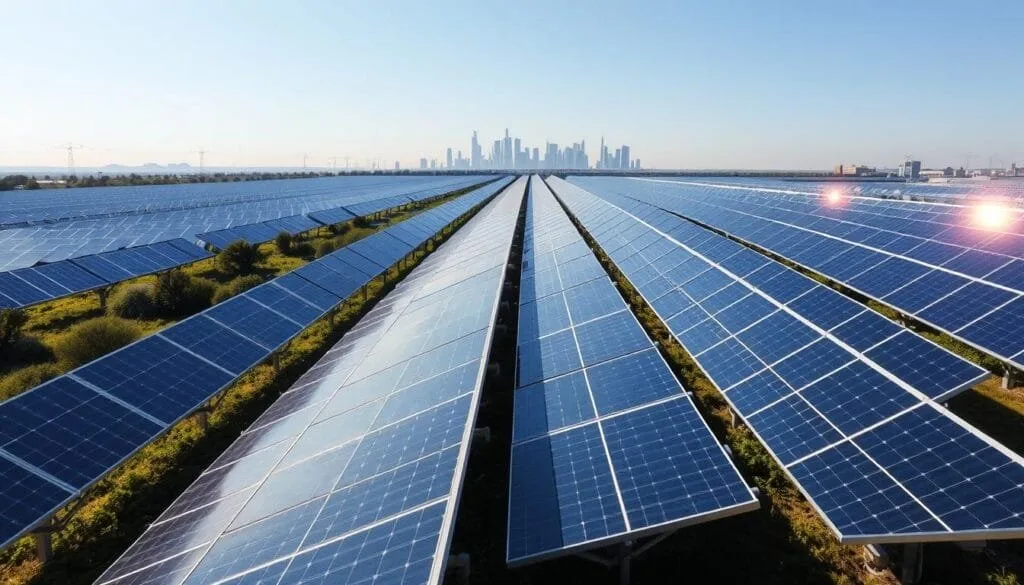 Solar panels produce the most power under direct sunlight; cloud cover, heavy rain, and snow can reduce output significantly. For example, a 5 kW system that generates roughly 7,000–9,000 kWh/year in a sunny city may produce 30–50% less in areas with frequent cloud cover, depending on cloud density and duration.
Even on cloudy days panels still generate electricity, but the drop in production can affect daily supply and lengthen the payback period for an installation in persistently overcast climates.
Solar energy production can be impacted by adverse weather conditions like heavy rain or snow, reducing efficiency.
Inability to Generate Energy at Night
Because panels need sunlight, solar systems do not generate electricity at night. Homeowners who want nighttime or backup power typically rely on batteries or remain connected to the grid. Batteries add storage capacity but also increase upfront costs and maintenance requirements.
For perspective, a typical home might need a 10 kWh–20 kWh battery to cover basic overnight loads; that capacity could keep lights and refrigeration running for several hours but may not support full household demand through the night without a larger and more expensive system.
| Weather ConditionImpact on Solar Panel Efficiency | |
| Sunny | Optimal energy generation |
| Cloudy | Reduced efficiency; output can fall 30–50% depending on conditions |
| Rainy | Significantly reduced efficiency; low short-term output |
| Night | No energy generation; reliance on stored energy or grid electricity |
The practical solution for many homeowners is a hybrid approach: solar panels plus either battery storage or a grid connection with net metering. Hybrid systems smooth production variability, improve reliability, and make solar energy a more practical energy source in diverse climates. Use a battery sizing guide and local insolation map to estimate production and storage needs for your home.
7 disadvantages of solar energy
Solar energy delivers many advantages, but homeowners should weigh the common drawbacks before committing to a residential solar power system. Below are seven practical disadvantages of solar energy, with context on how they affect households in different locations.
- High upfront costs: Installing solar panels often requires a sizable initial investment. Typical whole-home systems commonly range from about $18,000 to $30,000 before incentives, depending on system size and component quality.
- Weather dependency: Solar panels perform best in direct sunlight and produce less power on cloudy, rainy, or snowy days. In consistently overcast climates, production can be substantially lower than in sunny regions.
- Limited roof space: Homes with small or poorly oriented roofs may not have enough usable area for the number of panels needed to offset significant electricity use. Ground mounts or community solar can be alternatives for those homes.
- Expensive storage solutions: Adding battery storage to use solar power at night or during outages raises costs considerably. Battery systems are typically priced by capacity (for example, several hundred to a few thousand dollars per kWh for the installed system), meaning whole-home backup solutions usually add thousands to the project price.
- Manufacturing pollution: Producing solar panels requires energy and some hazardous materials. While lifecycle emissions for PV are far lower than fossil fuels, manufacturing and improper disposal can pose environmental and worker-safety concerns unless managed responsibly.
- Efficiency limitations: Most commercially available solar panels convert roughly 15%–22% of sunlight into electricity, so they require significant surface area to generate large amounts of power. Efficiency also declines slightly each year due to degradation.
- Maintenance and repairs: Solar systems are relatively low-maintenance, but components such as inverters may need replacement, and periodic cleaning or inspections add recurring costs over the system’s 25–35 year service life.
Appearance and local rules are additional considerations: some homeowners dislike the visual impact of panels, and homeowners association rules or local permitting can affect installation options. Geographic factors also matter — distance from the equator, frequent rain, or persistent fog reduce annual solar production.
| LocationSolar Energy Disadvantage | |
| Vancouver, Canada | Lower annual production due to higher latitude and frequent cloud cover |
| St. Petersburg, Russia | Reduced generation in winter months because of short daylight hours |
| Hilo, Hawaii | Frequent rainfall (many cloudy days) limits peak solar power generation |
| Regions with frequent fog or low-cloud conditions | Solar resource can be reduced dramatically compared with clear-sky conditions |
Despite these drawbacks, the cost of solar energy and solar panels has dropped over recent years, and installations continue to grow as technology, incentives, and financing improve. To assess whether solar panels are a good match for your home, use a production estimator and compare system costs, local incentives, and likely payback for your location.
Limited Roof Space for Solar Panel Installation
One common limitation for homeowners considering solar panels is available roof area. The size of your home, your annual electricity use, and the panels’ wattage and efficiency determine how many panels you can install—and whether your roof can support a system large enough to meaningfully cut your bills.
Requires Significant Area for Optimal Energy Generation

As a practical example, a 5 kW residential system typically needs roughly 15–20 panels at 300–350 W each, which can occupy a large portion of a typical roof. Estimates vary, but many single-family homes need about 20–30 panels to offset most household consumption, depending on panel efficiency and local energy use.
Potential Issues with Roof Orientation and Shading
Roof direction and shading strongly affect production. South-facing roofs receive the most sun in the Northern Hemisphere; east- or west-facing rooftops produce less. Even partial shading from trees or nearby buildings can disproportionately reduce output—especially on string-inverter systems—so shading analysis is essential.
If your roof is small, shaded, or poorly oriented, alternatives include higher-efficiency panels (which deliver more watts per square foot), ground-mounted systems (where permitted), or subscribing to community solar. Before installing, run a roof assessment and use a “how many panels do I need” calculator to estimate realistic production for your site.
| Roof CharacteristicsImpact on Solar Panel Efficiency | |
| South-facing orientation | Optimal for maximum sunlight exposure |
| East or West-facing orientation | Reduced efficiency compared to south-facing roofs |
| Partial shading from trees or buildings | Can reduce energy production by up to 50% on some systems; microinverters or power optimizers mitigate this |
| Flat or low-pitch roofs | May require additional mounting equipment for optimal panel angle |
Quick homeowner checklist: measure usable roof area, note orientation and shading at midday, estimate your annual kWh use, and compare that to expected system output for your region. If roof constraints prevent a full system, consider alternatives like ground mounts or community solar to capture the financial and environmental benefits of solar energy.
Expensive Solar Energy Storage Solutions
Solar panels and systems have become more affordable, but storing the energy they produce remains costly. Homeowners who want to use solar power after sunset or during outages usually add batteries, which significantly increases the total project investment.
Battery pricing is best evaluated by capacity ($/kWh) rather than a single sticker price. As of recent market averages, fully installed lithium‑ion battery systems typically range from roughly $300 to $800 per kWh of usable capacity — meaning a 10 kWh whole‑home battery could add several thousand dollars to a solar project. Lead‑acid options may have lower upfront costs per unit but come with shorter lifespans and lower usable capacity.
Batteries provide clear benefits: they let you shift daytime solar production to evening hours, provide backup power during outages, and reduce reliance on grid electricity (which can lower lifetime energy costs). They also support grid stability and can help reduce carbon emissions when charged from solar production.
However, batteries have shorter service lives than solar panels. Typical lifespans range from about 5 to 15 years depending on chemistry and cycle depth, while solar panels usually last 25 to 30 years. That means you may face one or more battery replacements over the life of your panels.
Federal tax credits, rebates, and net metering rules can improve affordability for solar-plus-storage systems; check current incentives to see what applies to batteries in your area.
Understanding battery specs helps: kWh measures energy stored (how long the battery will run loads), and kW measures the power the battery can deliver at once (how many appliances it can run simultaneously). For example, a 10 kWh battery might power critical loads — refrigerator, lights, and a few outlets — for several hours, but it won’t run an entire household at peak evening usage without a larger, more expensive system.
| Battery TypeTypical Installed CostLifespan | ||
| Lithium‑ion (residential) | ~$300 – $800 per kWh installed | 5 – 15 years |
| Lead‑acid | Lower upfront $/kWh but less usable capacity | 3 – 10 years |
When considering storage, run a scenario: estimate your evening and outage energy needs (kWh), compare battery system costs ($/kWh) and warranties, and weigh incentives. If you’re unsure whether to add batteries now, use a “should I add batteries?” checklist or our battery sizing guide to model costs and benefits for your home.
Pollution and Environmental Concerns in Solar Panel Manufacturing
Solar energy is a low‑carbon, renewable energy source in operation, but producing solar panels does involve energy use and potentially hazardous materials. Manufacturing processes can use strong acids, solvents, and energy‑intensive steps that must be managed carefully to limit pollution and protect worker safety.
Emissions and Use of Hazardous Materials in Production
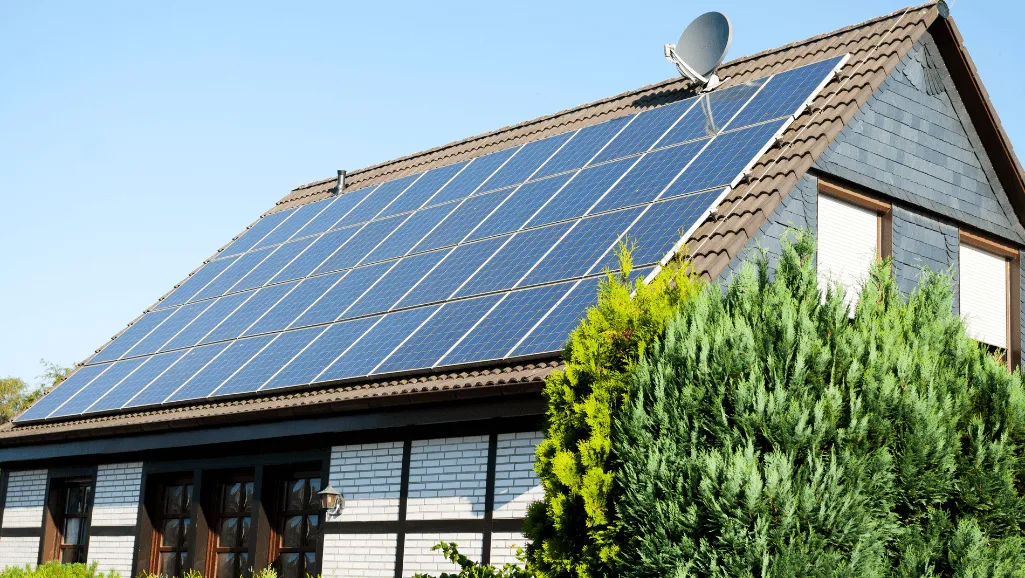
Solar PV manufacturing consumes energy up front (the “embedded” energy), but over its lifetime a typical PV system generates far fewer greenhouse gas emissions per kWh than fossil fuels. Life‑cycle studies commonly report PV emissions on the order of a few dozen grams CO2e per kWh, while coal lifecycle intensities are substantially higher — illustrating that, despite initial manufacturing impacts, solar power reduces overall carbon emissions when deployed at scale.
| Energy SourceLife Cycle Emission Intensity (gCO2/kWh) | |
| Solar Photovoltaic (PV) | ~40 (varies by technology and region) |
| Coal | ~800–1,000 (varies by plant and fuel quality) |
Note: lifecycle figures vary by study, panel type, manufacturing location, and assumptions about grid mixes. When referencing these numbers in the final article, cite recent lifecycle analyses (NREL, IEA, peer‑reviewed sources) to ensure accuracy for your audience.
Challenges in Solar Panel Disposal and Recycling
End‑of‑life management for solar panels is a growing concern. Panels contain valuable materials (glass, aluminum, silicon, silver) and smaller amounts of toxic substances that require proper handling. Estimates from industry studies and waste forecasts indicate substantial cumulative panel waste by mid‑century unless recycling and circular‑economy measures scale up.
To reduce environmental impact, several approaches are emerging: manufacturer take‑back programs, state recycling requirements, specialized PV recycling facilities, and design changes that simplify materials recovery. Check local regulations and installer policies — some states already mandate or encourage panel recycling and manufacturers may offer take‑back or warranty recycling programs.
What to ask your installer: Do you offer or recommend a recycling pathway for panels at end of life? Which panel manufacturers have transparent materials sourcing and take‑back programs? Does the installer follow hazardous‑materials handling standards during installation and decommissioning?
While production and disposal challenges exist, solar energy’s net effect on carbon footprint is positive when panels are produced and managed responsibly. Include links to authoritative lifecycle studies and regional recycling resources when you publish to back up these points and help homeowners make informed decisions.
Aesthetics and Visual Impact of Solar Panels
Solar energy offers clear environmental and financial benefits, but installing solar panels changes a home’s appearance — and not every homeowner or neighborhood welcomes that visual change. Some people view panels as a modern, eco-friendly upgrade; others feel they clash with traditional rooflines or local styles.
Potential Alteration of a Home’s Appearance
Perception of solar panels varies by size, placement, and finish. Large arrays or visible conduit can be seen as intrusive, while flush‑mounted panels or all‑black modules are often judged more attractive. If curb appeal is a priority, discuss layout options with your installer and review visual mockups before buying.
Solar shingles and integrated PV roofing are alternatives that blend more seamlessly with traditional roofing materials. They typically cost more than conventional panels today but can preserve a home’s look while still generating solar power.
Homeowners Association Restrictions and Approval
HOAs and local design rules sometimes restrict roof changes. Many U.S. states have “solar access” or “solar rights” laws that limit an HOA’s ability to block installations, but rules vary — so check local regulations before planning a project.
How to approach your HOA: 1) Review your CC&Rs for solar clauses; 2) Prepare visual mockups and a clear installation plan; 3) Present energy and property‑value benefits; 4) Offer to work with approved contractors to meet aesthetic guidelines. Template approval language and links to state solar rights pages can help streamline approval.
If aesthetics are a major concern, ask installers about low‑profile mounting, all‑black panels, or solar roof products, and get before/after visuals to evaluate how panels will affect your home’s value and curb appeal.
Efficiency Limitations of Solar Technology
Solar energy offers major benefits, but the technology has inherent efficiency limits that affect how much electricity a given rooftop or array can produce. Typical commercial solar panels convert a portion of incoming sunlight into electricity, and that conversion rate — along with system degradation over time — determines long‑term production for a residential solar power system.
Panel efficiency depends on materials and manufacturing. Monocrystalline silicon panels tend to be the most efficient for rooftop systems, while polycrystalline and thin‑film options trade lower cost for lower efficiency and larger area requirements. Higher efficiency can reduce the number of panels needed, which matters when roof space is limited.
“Research into tandem cells (for example, silicon-perovskite tandems) and bifacial modules is improving achievable efficiencies and the energy yield of solar systems, though commercial scale and durability remain key factors.”
Modern panel efficiency ranges commonly fall roughly in these bands, though manufacturer specs and lab records vary:
| Solar Panel TypeEfficiency RangeCost | ||
| Monocrystalline Silicon | ~17–22% | Higher |
| Polycrystalline Silicon | ~13–16% | Lower |
| Thin‑Film | ~7–13% | Lower |
Panels also degrade slowly each year. A typical modern module might lose about 0.5% to 1% of rated output annually. For example, a panel rated at 300 W that loses 0.7% per year produces roughly 21 W less after 10 years (300 W × 0.007 × 10 ≈ 21 W), so system sizing should account for long‑term declines.
Implications for homeowners: lower efficiency means more surface area is required to meet the same energy needs, and degradation affects lifetime production and payback calculations. When choosing equipment, compare manufacturer warranties, performance guarantees, and real‑world production data in your climate.
New technologies like perovskite tandems and bifacial panels show promise for higher efficiencies and greater energy production per installed area, but durability, cost, and supply‑chain maturity vary. Use a panel types and performance comparison chart or interactive selector to match panel technology to your home’s roof, energy needs, and budget.
Maintenance and Repair Costs for Solar Systems
Solar energy systems generally require less day‑to‑day maintenance than many home systems, but owners should budget for periodic upkeep, component replacements, and monitoring to protect system performance and long‑term value. Understanding typical service needs and costs helps you avoid surprises and keeps your solar panels producing efficiently.
Inverter Replacement and Upkeep
Inverters—critical components that convert DC power from panels into usable AC electricity—usually have shorter lifespans than panels. Most inverters last about 10–15 years and can cost roughly $1,000 to $4,000 to replace depending on type (string inverter vs. microinverters) and labor. If an inverter needs replacement mid‑payback period, it can delay your return on investment, so check manufacturer warranties and plan for possible replacement costs.
Cleaning and Monitoring Panel Performance
Keeping panels free of dust, leaves, and bird droppings preserves output. Professional cleaning visits typically range from $150 to $400 depending on system size and accessibility; many homeowners do light cleaning themselves between professional visits. Remote monitoring (often included by reputable installers) can alert you to drops in production so issues are addressed quickly—consider the cost of monitoring software or service plans when evaluating offers.
| Solar System ComponentLifespanReplacement Cost (typical) | ||
| Solar Panels | 25–30 years | $5,000 – $10,000 (varies by system size) |
| Inverters | 10–15 years | $1,000 – $4,000 |
| Racking and Mounting | 25–30 years | $1,000 – $3,000 |
| Wiring and Electrical Components | 25–30 years | $1,000 – $2,000 |
Practical tips and budgeting: set aside an annual maintenance allowance (for example, $100–$300/year) to cover inspections, cleaning, and minor repairs; confirm panel and inverter warranties (performance and workmanship); and ask your installer about service plans that include monitoring, rapid response, and replacement terms.
Example impact: replacing an inverter at year 12 for $2,500 will reduce net savings in that year and slightly extend payback; factor such potential costs into your overall system value calculation. Before purchase, request an inspection checklist and warranty summary so you clearly understand ongoing obligations and expected costs.
Location and Climate Constraints for Solar Energy
Solar energy is a low‑carbon, renewable source, but its effectiveness depends strongly on where you live and the local climate. The amount of sunlight (solar resource) at a site controls how much electricity a solar power system can produce — so location matters for both system sizing and expected savings.
Regions with abundant sun produce more energy per installed kilowatt than cloudy or high‑latitude areas. For example, a rooftop array in Phoenix will typically deliver far more annual kWh than the same system in Seattle or Portland, because of differences in sunlight hours and clear‑sky days.
Varying Solar Intensity Based on Geographical Location
Solar radiation varies by latitude, seasonal daylight hours, and typical cloud cover. Areas closer to the equator or with arid climates enjoy higher annual insolation, while temperate or northern regions have lower year‑round potential. These differences affect the system size required to meet a home’s energy needs and the expected payback period.
Reduced Effectiveness in Regions with Less Sunlight
In locations with persistent cloud cover, frequent rain, or long winter nights, panels will produce less electricity and the economics of a solar installation may be less attractive. That doesn’t always rule out solar — hybrid systems, higher‑efficiency panels, or community solar can still provide value — but you should model local production before investing.
| RegionAverage Annual Sunlight HoursSolar Energy Potential | ||
| Arizona | ~3,800 | High |
| Florida | ~2,900 | High |
| Washington | ~2,000 | Moderate |
| Alaska | ~1,200 | Low |
Before you decide, run a local production estimate using tools such as NREL’s PVWatts or a regional insolation map to get expected annual kWh for your specific address. That estimate, combined with your utility rates and energy use, will show the realistic amount of electricity you can expect and the likely return on investment for installing solar panels in your area.
Conclusion
Solar energy offers clear benefits — lower electricity bills, reduced carbon footprint, and increased home value — but it also has notable disadvantages that homeowners must weigh. High upfront costs, variability from weather and location, roof‑space constraints, storage expenses, and end‑of‑life recycling challenges all affect the practical value of a solar investment.
If you’re considering solar energy for your home, focus on three practical steps:
- Assess site suitability: check roof area, orientation, shading, and local insolation with tools like PVWatts.
- Model the finances: compare system costs, available incentives, and payback using a cost calculator or ROI tool.
- Vet installers: review warranties, recycling or take‑back policies, monitoring options, and maintenance plans.
Solar technology and storage are improving and costs continue to decline, so many homeowners find the advantages of solar outweigh the disadvantages — but the right choice depends on your home’s specific circumstances. Use our calculator and local incentive resources to estimate potential savings and make an informed investment decision.
FAQ
What are the main disadvantages of solar energy?
Why are the upfront costs of solar panel installation so high?
How does solar energy’s dependence on weather conditions affect its efficiency?
What are the space requirements for installing solar panels on a home’s roof?
Why are solar energy storage solutions expensive?
What are the environmental concerns associated with solar panel manufacturing?
How can solar panels impact the aesthetics of a home?
What are the efficiency limitations of solar panels?
What maintenance and repair costs are associated with solar energy systems?
How do location and climate affect the effectiveness of solar energy?