Skip to content

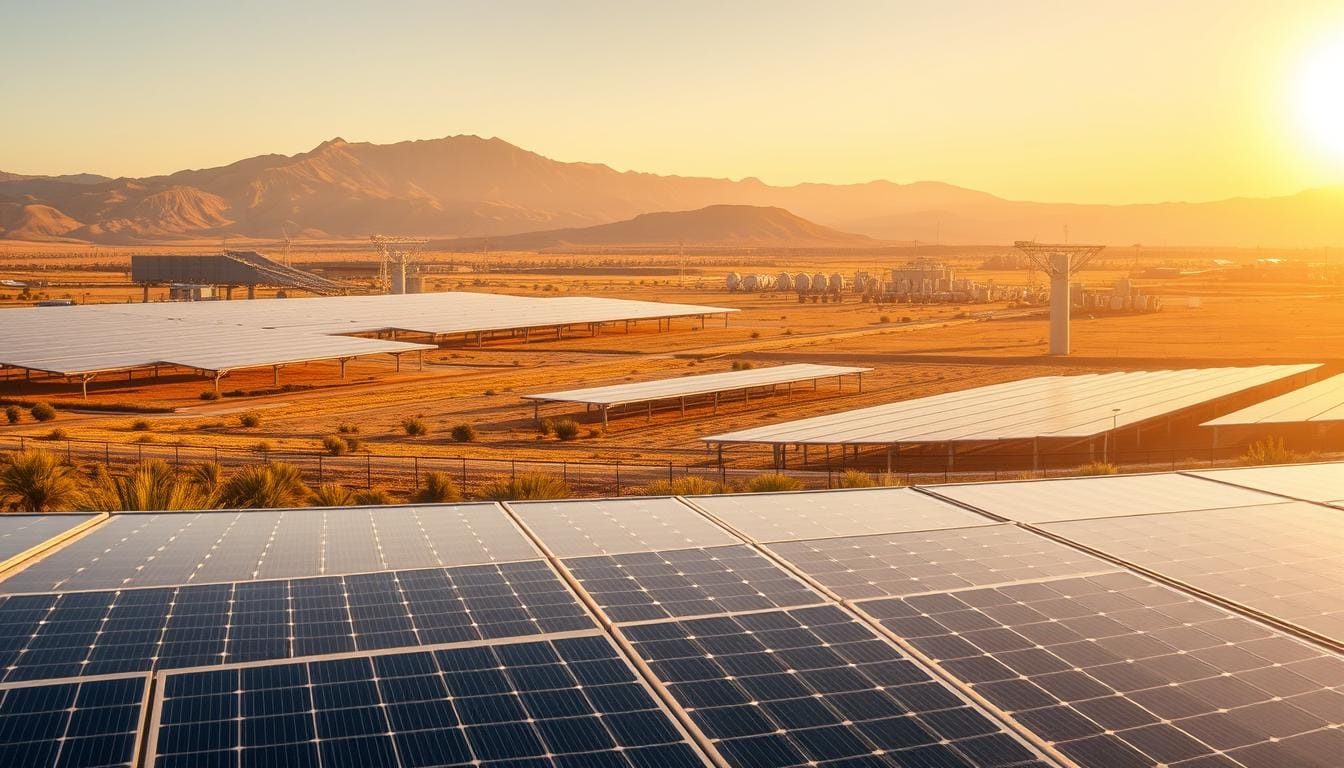
Exploring solar power reveals a major opportunity to expand solar energy as a reliable renewable energy source. As sustainable power solutions mature, solar technology offers more ways to capture the sun‘s energy for homes, businesses, and utilities. Much of the Sun’s energy that reaches Earth remains untapped today, so increasing solar use can help meet growing energy needs responsibly while lowering long-term costs.
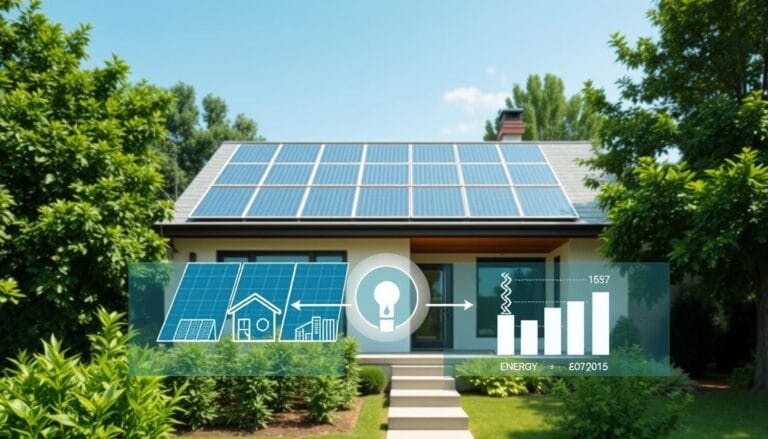
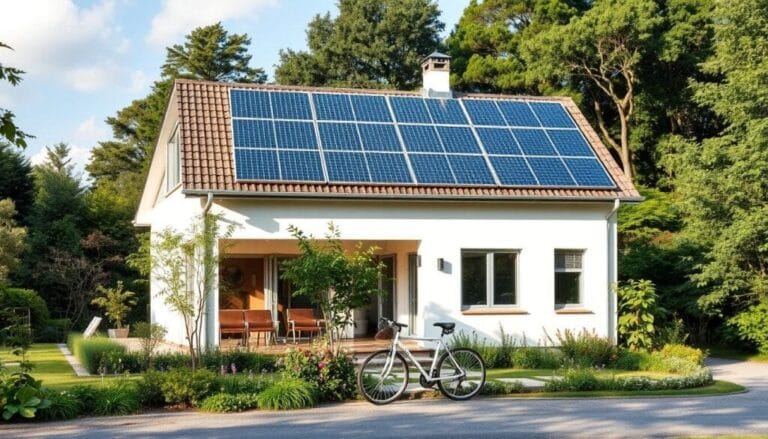
Solar systems already supply electricity to rooftop solar panels on houses, power large-scale plants, and provide the arrays that keep the International Space Station running—showing how this power source scales from a single home to space. Concentrating solar power towers use focused sunlight to create high temperatures for power generation, demonstrating how natural sunlight and human design combine to expand our energy options. Read on to learn how solar energy works and what it means for homeowners, communities, and the grid.
Key Takeaways
- Solar power is a practical sustainable power option: it reduces emissions and can lower household energy bills over time when paired with incentives and efficient system design.
- Solar technologies span rooftop photovoltaics for homes to utility-scale concentrating solar — choose the right system based on location, needs, and budget.
- The Sun provides abundant, nonpolluting energy, positioning solar at the center of the transition to renewable energy.
- Distributed and integrated solar installations improve local resilience and energy independence while cutting long‑term electricity expenses.
- Continued advances in solar tech and supportive policy can drive jobs and economic growth — homeowners should explore incentives, financing, and local programs.
Solar Energy Explained: The Sun as a Powerhouse
The sun delivers a continuous flow of energy to Earth through nuclear fusion in its core and via electromagnetic radiation that reaches our atmosphere as visible light, infrared, and ultraviolet. That incoming sunlight is the primary solar energy resource we use to generate electricity and heat with modern solar technologies. New systems and falling costs are unlocking more ways to put this abundant energy to work.
Understanding the Phenomenon of Nuclear Fusion
Nuclear fusion in the sun fuses hydrogen into helium and releases enormous energy that ultimately becomes the sunlight Earth receives. That sunlight—the raw energy source—is what solar technologies capture and convert into usable power for homes and industry.
The Role of Electromagnetic Radiation in Solar Energy
Electromagnetic radiation carries the sun’s energy across space and includes the light that solar panels and thermal systems absorb. While the atmosphere filters some ultraviolet light, visible and infrared wavelengths penetrate to drive photosynthesis, warm the surface, and provide the sunlight that PV cells and concentrating systems use to produce electricity and heat.
Understanding these natural processes explains why solar energy is scalable—from a single rooftop panel to utility-scale plants—and why it’s central to efforts to diversify our energyDIY solar projects let people experiment with small systems and see how the sun generates power firsthand.
In sun-rich regions, falling equipment costs and improving panel performance mean solar systems can supply a significant share of local electricity needs. As solar technology advances, the amount of energy we can capture from the sun continues to grow—making solar a vital part of our clean-energy future.
Natural Solar Energy: Earth’s Lifeline
Natural solar energy from the sun drives the physical and biological systems that sustain life on Earth. It fuels processes such as photosynthesis and the natural greenhouse effect, shaping climate, weather, and ecosystems while providing the baseline energy that humans now capture with technology.
Photosynthesis: The Foundation of the Food Web
Photosynthesis converts sunlight into chemical energy: plants, algae, and some bacteria use sunlight, water, and carbon dioxide to make glucose and release oxygen, supporting food webs and breathable air. Marine phytoplankton contribute a very large share of global oxygen production (estimates vary by study), highlighting how widespread solar energy production is in nature.
The Greenhouse Effect and Its Significance
The natural greenhouse effect traps outgoing infrared heat and keeps Earth warm enough for life; without it, the planet would be far colder. That said, human-driven increases in greenhouse gases enhance the effect and drive global warming, so reducing fossil-fuel emissions — for example by adopting solar as an alternate energy source — helps limit harmful climate change while preserving the life‑supporting aspects of the natural greenhouse effect.
When comparing solar energy advantages and disadvantages, it helps to remember that solar panels convert sunlight to electricity without combustion, cutting CO2 emissions and easing pressure on water supplies used by thermal power plants. The table below summarizes key environmental impacts and direct benefits:
| AspectImpact on EnvironmentDirect Benefits | ||
| Solar Energy Adoption | Reduces greenhouse gas emissions, enhances air quality | Lowers energy bills, increases energy independence |
| Photosynthetic Oxygen Production | Contributes significantly to breathable air supply | Supports terrestrial and marine life diversity |
Exploring natural solar energy and modern capture technologies shows that deploying more solar helps protect ecosystems and public health. With government incentives such as rebates and tax credits (for example the federal Investment Tax Credit and various state programs), switching to solar is more affordable for many households and communities.
Benefits of Solar Power: Clean and Sustainable Energy
As communities and businesses shift toward sustainable practices, solar power is becoming an essential part of that transition. Solar energy delivers clean electricity with far lower lifecycle emissions than fossil fuels, helps households reduce long-term costs, and increases local control over energy supply.
Environmental Impact: Reduction in Greenhouse Gases

The environmental impact of widespread solar adoption is large: generating electricity from sunlight avoids the CO2, particulates, and water use associated with many thermal power plants. Modern PV systems have relatively low lifecycle CO2 emissions compared with coal or natural gas.
Large-scale deployment can meaningfully cut national emissions—estimates vary by scenario—while rooftop solar panels reduce household grid demand and associated emissions. Solar also uses far less operational freshwater than many thermal generation methods, easing pressure on local water resources.
Solar Power’s Role in Energy Independence
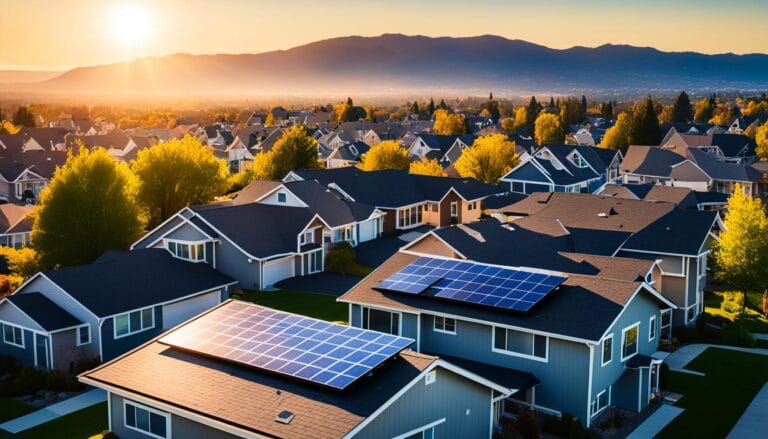
Installing solar reduces reliance on imported fuels and helps stabilize local energy supply against market shocks. Distributed generation — rooftop and community arrays — strengthens resilience and can lower monthly bills for participating households.
Solar deployment also supports jobs and economic activity across manufacturing, installation, and services. While older figures cited industry employment growth (for example, mid‑2010s data), newer reports from industry groups and agencies provide updated job and investment numbers—these should be referenced in the final article to reflect current trends.
In short, the primary benefits solar offers are lower emissions, improved energy security, job creation, and long-term savings for homeowners and communities. To take advantage of these benefits, explore available incentives such as federal tax credits, state rebates, and local programs that can reduce upfront costs and shorten payback time.
Solar Panel Definition and Their Role in Energy Conversion
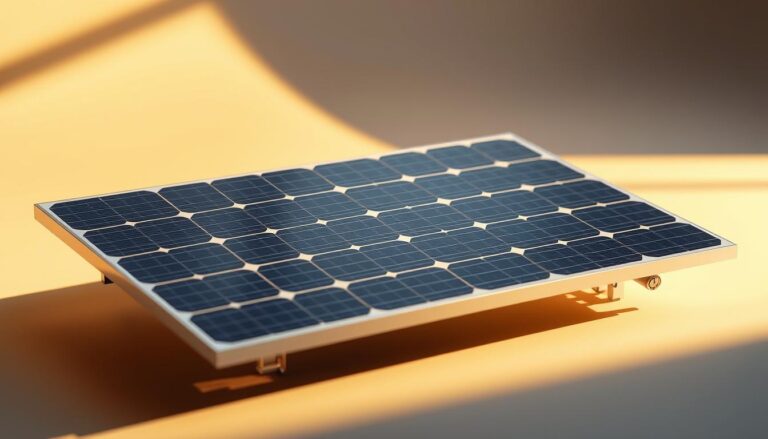
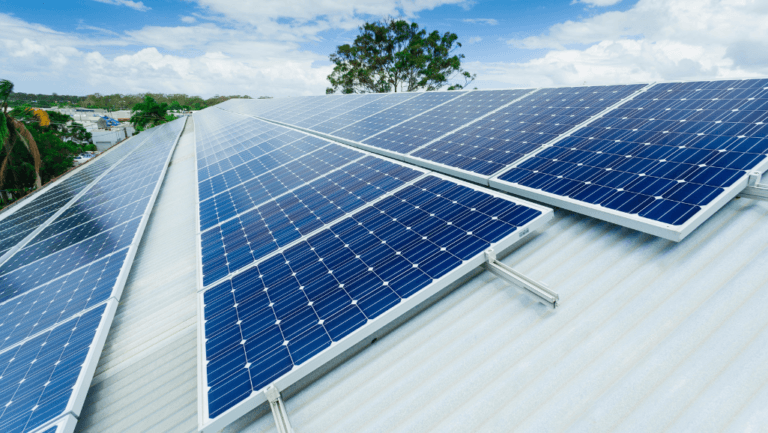
The phrase solar panel definition refers to the devices and associated systems that capture sunlight and convert it into electricity using solar photovoltaics. Modern rooftop and ground‑mounted solar panels are the core technology for distributed solar energy, enabling homes, businesses, and utilities to generate electricity without combustion.
Most commercial panels use crystalline silicon cells that absorb photons and free electrons to create current. Panel sizes and cell counts vary — older small modules used fewer cells, while typical contemporary residential modules commonly contain 60 or 72 cells (larger utility modules use still more). Panel efficiency — the share of sunlight converted to electricity — has improved dramatically over the past decades.
Typical commercial module efficiencies moved from under 10% in the 1980s to roughly 15% in the 2010s; top-tier commercially available panels approached the low‑ to mid‑20% range by the early 2020s. Higher efficiency means more production per square foot of roof, which can reduce overall system size and improve value.
| System TypeHow It WorksTypical Use | ||
| Grid-tied | Panels feed electricity to the grid; may include net metering | Most homes & businesses |
| Off-grid (standalone) | Panels charge batteries for use when the sun is down | Remote homes, cabins |
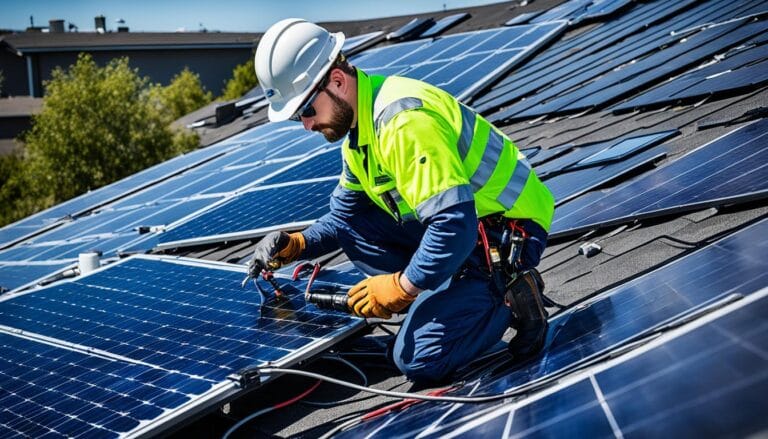
Off-grid systems require battery equipment to provide power at night or during cloudy periods, which raises upfront costs compared with grid‑connected setups that can export excess electricity. When evaluating a solar project for your home, consider roof orientation, available area, local utility rates, equipment warranties, and how panel efficiency affects the system size needed to meet your energy goals.
Solar Power vs Traditional Energy: A Comparative Analysis
The shift from traditional fossil-fuel generation to solar power affects upfront costs, long-term savings, public health, and the environment. This section compares typical financial outcomes, environmental impacts, and the incentives that change the economics for homeowners and communities.
Cost Comparison over Time

Early on, installing a home solar system may look more expensive than staying on the grid. Typical installed costs vary widely by location and system size — many rooftop systems fall in the low‑to‑mid five‑figure range before incentives. However, federal and state incentives such as the Investment Tax Credit (ITC) and local rebates can significantly reduce upfront investment, improving payback time.
Over the long run, solar often delivers strong savings because it offsets utility bills and hedges against rising electricity prices. Return-on-investment depends on your local electricity rate, system size, available incentives, and whether you add storage or remain grid‑tied.
| Energy TypeInitial CostLong-Term SavingsTypical Efficiency | |||
| Solar Power | Varies by size & location (often $10k–$30k residential before incentives) | High (typical payback 5–15 years depending on incentives and rates) | Commercial PV: ~15%–23% (varies by panel) |
| Traditional Energy | Ongoing fuel/operating costs | Low direct savings for consumers | Thermal plant plant efficiency varies (~30%–60% depending on tech) |
Impact on Health and Environment
Generating electricity from solar avoids direct combustion emissions, cutting air pollution that contributes to respiratory and cardiovascular disease. Unlike many thermal generators, PV systems operate with minimal water use, reducing stress on local water supplies. In short, switching to solar reduces harmful emissions and improves public health while delivering long‑term economic value.
Homeowners considering solar should compare options (purchase, lease, PPA, or loan), check available tax credits and local incentives, and get multiple quotes to understand real savings and payback under local utility rules.
How Does Solar Energy Work: From Sunlight to Electricity
Understanding how solar energy becomes usable electricity clarifies why solar is central to the clean-energy transition. Two main systemsoptions for decarbonization.
Photovoltaic Systems and the Photovoltaic Effect
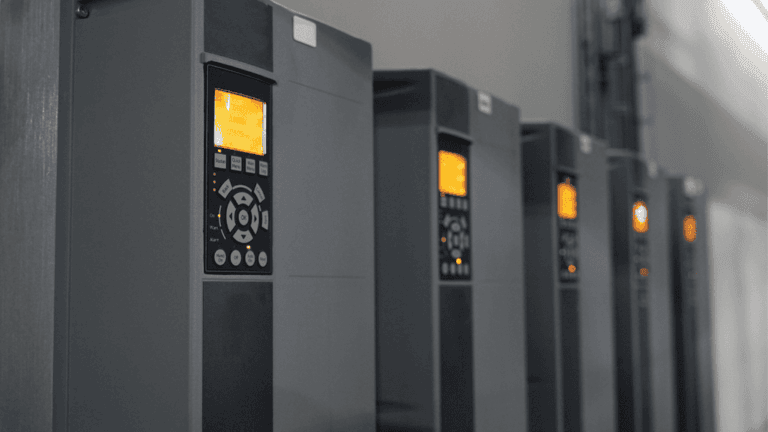
Photovoltaic systems use semiconductor panels (usually silicon) that convert photons from sunlight into electrical current via the photovoltaic effect. Step-by-step: (1) panels absorb sunlight, (2) photons free electrons in the cells, (3) those electrons flow as direct current, and (4) an inverter converts DC to AC for home or grid use. Residential PV systems can lower utility bills, increase property value, and reduce carbon emissions.
Commercially available panels typically show efficiencies in the mid‑teens to low‑20s percent range; higher efficiency panels produce more electricity per square foot, which matters when roof space is limited. Advances in panel technology continue to push production and lower costs for home and utility installations.
Concentrating Solar Power Systems
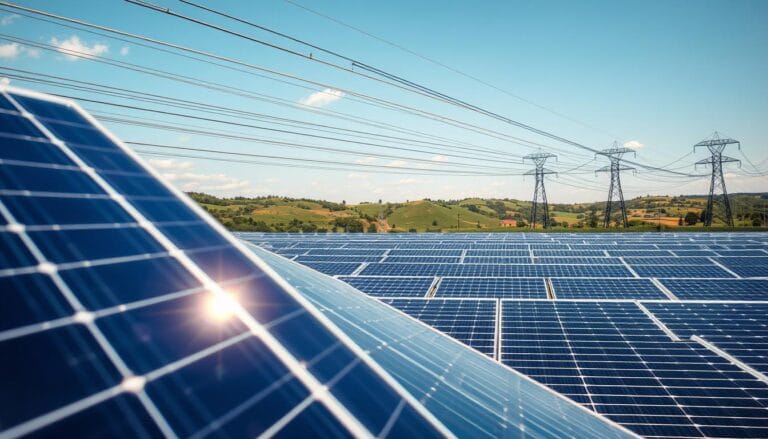
Concentrating solar power (CSP) uses mirrors or lenses to focus sunlight to generate high temperatures. The concentrated heat drives thermal turbines or heat engines to produce electricity, and many CSP plants add thermal storage so they can supply power after sunset. CSP is best suited for large-scale generation in sunny, dry regions where land and direct sunlight are abundant.
| System TypePrimary UseTypical Efficiency / Benefit | ||
| Photovoltaic Systems | Residential, commercial rooftops, distributed generation | ~15%–23% module efficiency; modular, quick to install |
| Concentrating Solar Power | Utility-scale generation | Efficiency depends on design; excels with integrated thermal storage |
Which is right? For most homeowners, PV panels are the practical choice: they are scalable, integrate with grid equipment, and can be paired with battery storage to extend self‑consumption. CSP remains an important utility‑scale option where centralized, dispatchable solar generation is needed. Together, these systems expand how we capture solar energy and help meet diverse energy needs.
Solar Power Facts: Debunking Common Myths

In conversations about renewable energy, solar power facts are often mixed with myths that confuse homeowners and policymakers. Below we separate fact from fiction and highlight recent solar technology and deployment trends so readers can make informed decisions.
Myth: Solar panels don’t work on cloudy days
Fact: Solar panels still generate electricity on cloudy days because they rely on diffuse sunlight as well as direct sunlight. Output is reduced compared with bright sun but modern systems continue to produce useful energy even under overcast skies.
Myth: Solar energy can’t be stored for use later
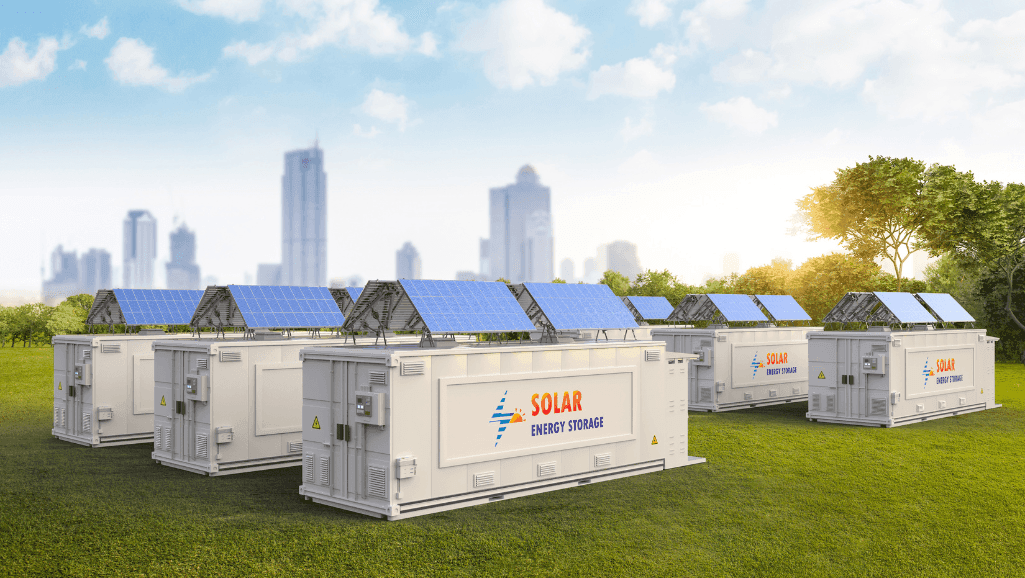
Fact: Today’s solar installations are commonly paired with battery storage, letting homeowners save daytime generation for evening use or outages. Battery-equipped systems increase self-consumption and resilience.
Myth: Solar panels create a disposal problem
Fact: Most panel materials—glass, aluminum, and semiconductor materials—are recyclable, and industry recycling programs are expanding. Current estimates indicate a high percentage of panel materials can be recovered at end-of-life, reducing the environmental footprint of solar deployment.
| FactContext | |
| Job Creation | Solar and clean-energy sectors employ hundreds of thousands in manufacturing, installation, and services (figures vary by source and year). |
| Economic Contribution | Solar projects contribute taxes, lease payments, and local investment—amounts depend on scale and region. |
| Emissions Avoided | Large-scale solar deployment reduces CO2 emissions compared with fossil-fuel generation; avoided emissions scale with generation capacity and grid mix. |
| Recycling Potential | A large share of PV materials can be recovered with existing and improving technologies. |
| Operational Life | Most panels perform well for 25–30 years with gradual efficiency decline; warranties often guarantee a high percentage of nameplate output over that period. |
What this means for homeowners: solar systems can reliably produce solar energy across seasons, can be paired with batteries for nighttime use, and increasingly fit into circular material flows through recycling. When evaluating claims and incentives, check up-to-date sources (DOE, NREL, SEIA) and ask installers about warranties, expected production, and local recycling options.
Solar Power Definition for Kids: Simplifying the Concept
Teaching kids about solar power means explaining how sunlight turns into electricity in simple, fun terms. The goal is to give simple explanations that show how using the sun‘s energy helps our planet and everyday life.
Simple Explanations of Solar Power Operations
Solar power uses sunlight to make electricity with solar panels. These panels have tiny parts called photovoltaic (PV) cells that do the conversion. Let’s break it down for kids:
- Solar panels catch light from the sun.
- PV cells inside the panel turn that sunlight into electricity.
- The electricity can power schools, homes, and even small toys or lights.
That means a house with panels on the roof can make some of its own electricity from the sun.
Engaging Youth in Renewable Energy Discussions
It’s important to teach kids about renewable energy so they learn to care for the planet. Hands-on activities like building a simple solar oven or testing a small solar-powered toy make the ideas stick and are safe with adult supervision.
Here are some kid-friendly facts to share:
| FactDetail | |
| Solar Panel Lifespan | Many panels work well for 25–30 years. |
| Energy from Sunlight | There is far more energy in sunlight than we currently use—sunlight on Earth is an enormous resource. |
| Carbon Dioxide Emissions | Panels do not make CO2 when they produce electricity. |
| Homes with Solar | Rooftop systems let home owners generate some of their own power and save money over time. |
Conclusion
Across the renewable energy landscape, solar power stands out as a scalable, low‑emission energy source with the potential to supply a large amount of our future needs. The Sun delivers far more energy to Earth than we currently consume, and expanding solar deployment—both rooftop panels and utility projects—can help shift our energy mix away from fossil fuels while increasing resilience and local control.
Solar technologies already provide practical services such as water heating and electricity generation in many regions, and solar thermal approaches also support industrial heating and cooling. Adoption grew rapidly in recent years, but solar still faces challenges: upfront costs, land and roof availability, and variability due to weather. Policy incentives, investment, and smart planning are key to overcoming those barriers.
To scale solar as part of a clean energy transition, stakeholders should pursue clear actions: expand incentives and tax credits, streamline permitting, support community solar and storage, and target investments that lower equipment and installation costs. For homeowners, evaluating local incentives and financing options can make solar a sound long‑term investment that delivers savings and value.
Solar will be an important part of a cleaner energy future if policy, technology, and public support align. Check local programs and consider a home solar assessment to explore how solar can work for you.
FAQ
What is the definition of solar power?
How does solar energy work?
How is natural solar energy essential to life on Earth?
What are the key benefits of solar power?
What is a solar panel and how does it facilitate energy conversion?
How does solar power compare to traditional energy sources?
What is the photovoltaic effect and how is it involved in generating electricity?
Can solar power be generated on cloudy days or stored for use at night?
How can I check incentives or get a home estimate?
Why is solar considered an essential part of a sustainable energy future?