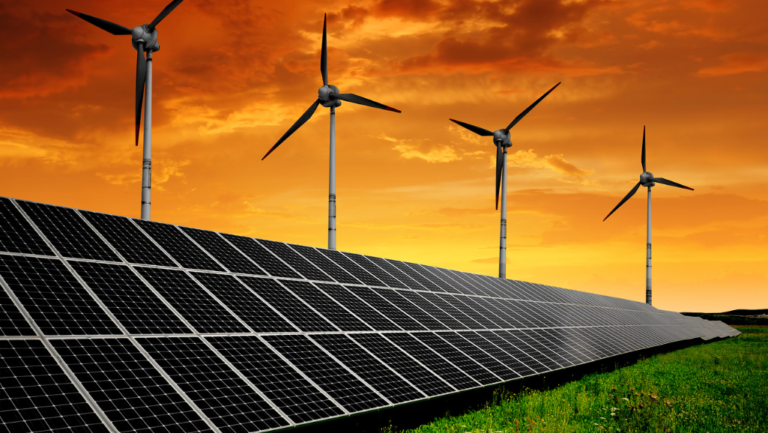
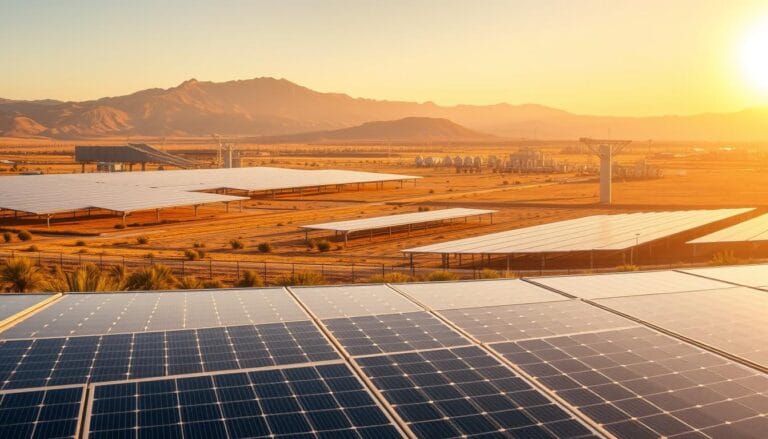
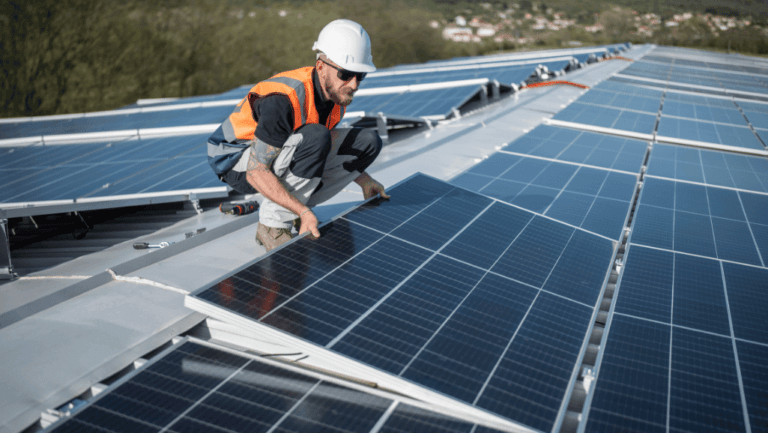
The quest for clean, sustainable energy has pushed us to harness the sun’s power. Scientists estimate that the Earth receives more than enough sunlight that, in a relatively short time, it could supply global energy demand for a year — a commonly cited figure that depends on how you convert solar flux to usable energy. This enormous sun energy potential has driven technologies that convert solar radiation into usable electricity, a cornerstone of renewable energy progress worldwide.
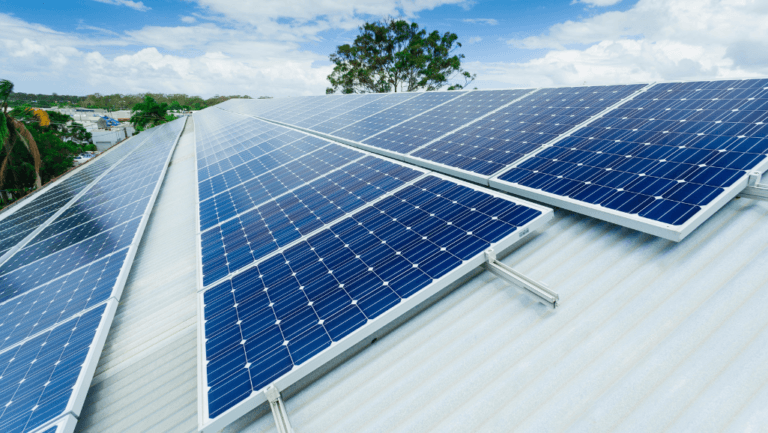
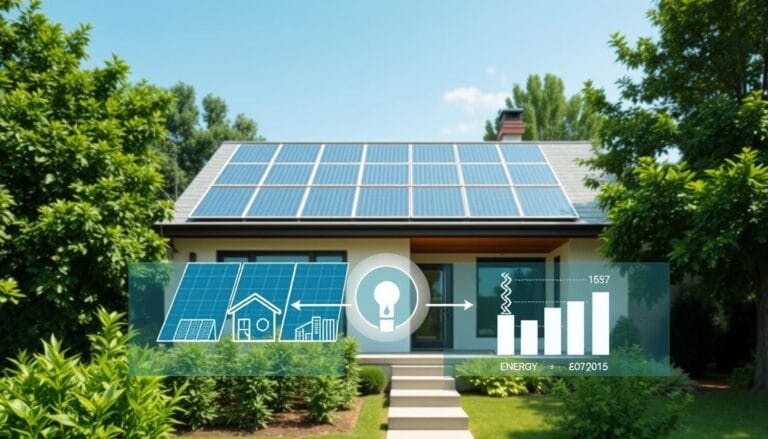
Photovoltaic (PV) systems sit at the center of this transition. PV panels convert sunlight into electrical power and are increasingly common — from rooftop arrays on homes to utility-scale solar farms. Understanding how solar energy creates electricity helps homeowners, businesses, and policymakers make better decisions about energy systems and investment.
Efficiency and flexibility matter because solar resource strength varies by location and season. That variability affects how PV cells and solar systems perform, so planners match technology and system design to local conditions. Advances in materials, inverters, and storage are steadily making solar power more reliable and practical as a core energy source.
Technology and grid integration are narrowing the gap between intermittent sunlight and steady energy supply. Read on to learn how photovoltaic cells transform sunlight into direct current, how inverters make that electricity usable in homes and on the grid, and what role storage and policy play in scaling clean energy.
Key Takeaways
- how solar energy creates electricity.
- How solar energy creates electricity: photovoltaic (PV) cells convert sunlight into direct electrical current, which inverters then make usable for homes and the grid.
- Solar panel technology harnesses solar radiation and offers vast potential to help meet global energy demand when deployed at scale.
- Photovoltaic systems are central to solar power electricity generation — typical commercial systems have an operational lifespan of 25+ years, depending on conditions and maintenance (see manufacturers’ warranties and degradation rates).
- The photovoltaic effect was first observed in the 19th century (Edmond Becquerel, 1839) and remains the foundational principle behind modern solar electricity.
- Panels produce electricity even on cloudy days, though output is reduced; system siting and design optimize production across seasons and weather.
- Countries such as China and the United States currently lead in installed solar capacity, demonstrating how national investment and policy can accelerate deployment.
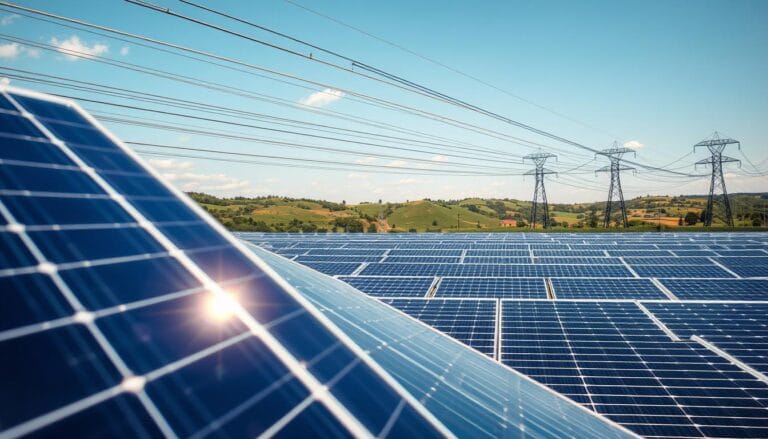
- Solar farms show the scalability of solar power — utility-scale arrays can deliver significant energy to communities and feed power into regional grids.
- Advances in inverter technology, net metering, and energy storage are critical to integrating solar power with the grid and increasing the share of clean energy in electricity mixes.
Understanding Solar Radiation and Its Potential
The heart of solar energy conversion is an understanding of solar radiation basics. Solar radiation — the sunlight that reaches Earth — is the primary driver of renewable energy electrical generation: it fuels photovoltaic panels, concentrating solar systems, and many solar-driven applications. Grasping how sunlight varies and how much energy it provides is essential for siting systems and estimating production.
The Infinite Power of Sunlight

Sunlight is an enormous energy source. Rather than using an astrophysics detail that can be confusing, a practical way to think about it is the solar constant: the Earth receives roughly 1,366 watts per square meter at the top of the atmosphere, and total incoming solar energy far exceeds global electricity consumption. That energy is available wherever the sun shines; the challenge is capturing it efficiently through the solar energy conversion process.
Variability of Solar Radiation Across the Globe
Solar radiation reaching the ground varies widely by location, season, and weather. For example, modeled solar resource data show that insolation in Denver can be roughly three times higher in June than in December, which affects seasonal production for rooftop and utility-scale systems.
| LocationJune Solar Radiation (kWh/m2)December Solar Radiation (kWh/m2) | ||
| Denver, Colorado | 7.5 | 2.5 |
Note: kWh/m2 is a common unit used to express solar energy received per square meter over a day — it helps estimate how many kilowatt-hours a given panel area might produce. Resource maps from agencies like NREL and NASA provide site-specific estimates that engineers use to size systems and predict annual output. In practice, installers use these maps and local weather data to match technology (panels, tracking, storage) to regional conditions and to decide where solar farms or rooftop systems will be most effective.
The Science Behind Photovoltaic Systems
The core of photovoltaic system energy conversion is simple in concept: sunlight hits a material that can convert photons into an electrical charge. Photovoltaic (PV) cells — most commonly made from silicon — are the technology that does this at scale. Silicon remains dominant because it strikes a balance between cost, durability, and performance for residential, commercial, and utility applications.
Practical silicon PV cells date back to Bell Labs in 1954, and since then solar technology has advanced rapidly. Research now spans conventional crystalline silicon modules to alternative approaches like thin-film and III‑V cells. Each class of cell targets different tradeoffs between cost, weight, durability, and efficiency.
New solar tech explores materials such as cadmium telluride (a thin-film option used in low-cost utility arrays) and high-performance III‑V semiconductors (used where weight and efficiency justify higher cost, such as satellites). These technologies extend the reach of solar energy into new systems and applications.
| Type of Solar CellMaterial UsedCommon ApplicationsEfficiency (typical/commercial) | |||
| Silicon PV Cells | Monocrystalline or polycrystalline silicon | Residential and commercial rooftop and utility systems | Commercial modules typically 15–22% (lab cells higher; some recent cells exceed 25%) |
| Thin-film Solar Cells | Cadmium telluride, CIGS (CuInGaSe) | Large-scale utility arrays, building-integrated PV, low-weight applications | Commercial modules typically 10–18% (varies by technology) |
| III‑V Solar Cells | Compound semiconductors (e.g., GaAs, multi-junction stacks) | Space, concentrated photovoltaics, specialized high-efficiency arrays | Lab or concentrated systems: up to ~47% under focused light; commercial, niche use |
Important: efficiency numbers differ between laboratory cell records and real-world commercial modules. Lab cells demonstrate potential; module efficiencies and field performance depend on manufacturing, temperature, and installation. For comprehensive, up-to-date efficiency charts and data, see sources such as NREL and the U.S. Energy Information Administration.
PV cells work best when integrated into broader energy systems. For example, combining PV with concentrating solar-thermal (CSP) plants, battery storage, and smart grid technologies improves the reliability and overall power contribution from solar. Continued R&D aims to increase module efficiency, reduce costs, and develop new system architectures that make solar energy an even larger share of global power production.
How Does Solar Energy Create Electricity?
Understanding how solar power generation technology converts sunlight into usable electricity begins with photovoltaic (PV) systems. In short: sunlight (photons) strikes photovoltaic cells in solar panels, freeing electrons and creating an electrical current that can power homes, charge batteries, or feed the grid.
From Sunlight to Electrical Charges: The Role of PV Cells

PV cells are typically made from silicon. When sunlight hits the cell, photons transfer energy to electrons in the semiconductor material. Freed electrons flow through the material as an electric current — the photovoltaic effect. This process generates direct current (DC) electricity without moving parts.
There are different PV cell designs that change performance and cost. Monocrystalline cells (single-crystal silicon) tend to be more efficient and occupy less roof area per watt; polycrystalline cells (made from silicon fragments) are generally lower-cost with slightly lower efficiency. Advances in cell architecture and new materials continue to improve how much sunlight PV cells convert into electrical current.
Converting Solar Activity into Usable Electric Current
The electricity that PV modules produce is DC, but most homes and the electrical grid use alternating current (AC). A solar inverter converts DC into AC, synchronizing voltage and frequency so the power can be used by appliances or exported to the grid. Inverter efficiency typically ranges from the high 90% values for quality units, so choosing the right inverter affects overall system output.
Temperature, shading, and installation angle affect real-world performance. Higher temperatures generally reduce silicon module output (temperature coefficients are typically around -0.3% to -0.5% per °C for crystalline silicon modules), so system design includes ventilation, tilt optimization, and, where useful, tracking systems to maximize sunlight capture.
Simple 3-step summary:
- Photon absorption in photovoltaic cells frees electrons → produces DC electrical current.
- Inverter converts DC to AC → usable by homes, businesses, and the grid.
- Electricity flows to loads, battery storage, or is exported to the grid depending on system configuration.
New materials and inverter designs continue to increase conversion efficiency and lower costs, improving how solar energy works for homeowners and utilities alike.
| TypeMaterialTypical Commercial Efficiency | ||
| Monocrystalline | Single silicon crystal | ~18–22% (modules) |
| Polycrystalline | Multi-crystal silicon | ~15–18% (modules) |
Understanding these basics — photovoltaic cells, DC vs. AC, and system losses — helps homeowners and businesses evaluate solar solutions and estimate expected electricity production. Adding a labeled diagram of cell operation and system flow (PV → inverter → home/grid/battery) can make these concepts even clearer for readers.
The Role of Concentrating Solar-Thermal Power (CSP)
Concentrating solar-thermal power (CSP) systems focus sunlight with mirrors or lenses onto receivers to produce high-temperature thermal energy. That heat drives steam turbines or heat engines, and—critically—can be stored in thermal storage systems for dispatchable electricity when the sun isn’t shining. For large-scale energy production, CSP offers a way to pair solar power with multi-hour storage, supporting grid reliability and decarbonization goals.
Over the past decade, reported costs for some CSP projects and components have fallen substantially as technology and project experience have improved; policy and R&D efforts (including targets from agencies such as the U.S. Department of Energy) aim to push costs lower—for example, DOE research roadmaps include targets for low-cost CSP with long-duration thermal storage. When evaluating cost claims, check the program context and whether figures refer to projected future targets or realized project prices.
Common CSP configurations include parabolic troughs, power towers (central receivers), linear Fresnel collectors, and parabolic dishes. Parabolic troughs heat transfer fluids typically in the 293°C–393°C range (560–740°F), power towers can reach temperatures up to ~600°C (~1112°F) in some designs, and dish systems operate at high temperatures suitable for Stirling or Brayton engines. These temperatures enable steam production and efficient electricity generation; exact ranges depend on the design and working fluid.
| Technology TypeTemperature RangeTypical Use | ||
| Parabolic Trough | ~293ºC to 393ºC (560–740ºF) | Electricity generation with thermal oil/steam cycles |
| Power Tower | Up to ~600ºC (up to ~1112ºF) | High‑temperature steam production and efficient thermal storage |
| Linear Fresnel | Variable (lower to medium temps) | Cost‑effective heat capture for electricity and storage |
| Parabolic Dish | High temps (system dependent) | Small-scale, high-efficiency conversion using Stirling/Brayton engines |
CSP is best suited to regions with high direct normal irradiance (the intense, direct sunlight that mirrors concentrate), such as desert and arid areas; it requires more contiguous land and good solar resources compared with distributed PV. Examples like the NOOR I–III complex in Morocco demonstrate CSP’s potential for large-scale, dispatchable solar power in sunny regions—projects that combine generation with thermal storage to supply electricity beyond daylight hours.
In summary, concentrating solar-thermal power complements photovoltaic systems by offering high-temperature heat, long-duration thermal storage, and the potential for firm, dispatchable solar-generated electricity—an important component of comprehensive solar energy strategies for power production and grid flexibility.
Integrating Solar Power into the Electrical Grid
 As solar power’s share of generation grows, utilities, regulators, and project developers must coordinate on technology, planning, and operations so energy flows reliably from distributed rooftop panels and large solar farms into the grid.

The Challenges of Solar Energy Systems Integration
Solar output is variable and correlated with daylight and weather, so integrating high penetrations of solar power creates challenges for maintaining grid stability, frequency, and voltage. Key grid technologies—solar inverters, grid-forming inverters, and advanced grid services—translate PV output into usable AC power, manage bidirectional flows, and provide grid support functions (voltage regulation, frequency response, and ride-through capabilities).
Grid-forming inverters are an important advancement: unlike traditional grid-following inverters, they can establish voltage and frequency references and help restore or sustain grid operation during disturbances. Several pilot projects and utility deployments have demonstrated their ability to improve resilience and enable greater shares of inverter-based resources. Still, system operators must update protection schemes, forecasting, and operational practices to account for high levels of inverter-coupled solar.
Advancements in Distributed Energy Resources and Microgrids
Advances in distributed energy resources (DERs)—including residential and commercial PV, behind-the-meter batteries, and demand-side management—help smooth solar variability. Battery storage systems provide time-shifting, frequency regulation, and reserve capacity, while aggregated DERs can participate in wholesale markets or provide local grid services.
Microgrids combine local generation, storage, and controls to operate either connected to the main grid or independently (islanded). Real-world microgrid projects (campuses, military bases, remote communities) show improvements in reliability and resilience and can reduce energy costs when designed correctly. For homeowners and businesses, grid-tied PV plus storage can lower bills, increase self-sufficiency, and provide backup power during outages.
Policy and market mechanisms such as net metering, time-of-use rates, and capacity/ancillary service markets influence how solar systems are sized and compensated. To help readers take action, see local utility guidelines and interconnection resources that explain technical requirements and incentives for grid-connected solar systems.
Soft Costs: The Unseen Factors in Solar Energy Deployment
When evaluating the true price of a solar installation, hardware (panels, inverters, mounting, batteries) is only part of the story. Solar energy soft costs — non-hardware expenses such as permitting, customer acquisition, financing, interconnection, and labor — can represent a substantial share of total system cost, especially for residential projects. Reducing these soft costs is critical to lowering barriers for homeowners and businesses considering solar investment.
Research and DOE-backed projects have targeted soft-cost reductions through streamlined permitting, standardized interconnection procedures, and financing innovations. For context, multiple studies over the last decade have shown soft costs can account for 20–40% (variable by market and system size) of the installed price of rooftop solar — a number installers and policymakers watch closely when crafting incentives or regulatory reforms.
The importance of workforce development cannot be overstated. A trained installer workforce reduces installation time, errors, and rework, which lowers both direct labor costs and hidden customer acquisition and warranty expenses. Educational and workforce programs — including those highlighted by industry research institutions — help close the skills gap so installers, designers, and inspectors can deploy PV and storage systems faster and more reliably.
Soft-cost reduction also includes social and market measures: customer education, transparent pricing, and incentive programs that encourage adoption. Pilot programs and municipal initiatives (for example streamlined permitting pilots or community solar enrollment drives) have produced measurable soft-cost declines and faster project timelines; linking to local toolkits and templates helps replication.
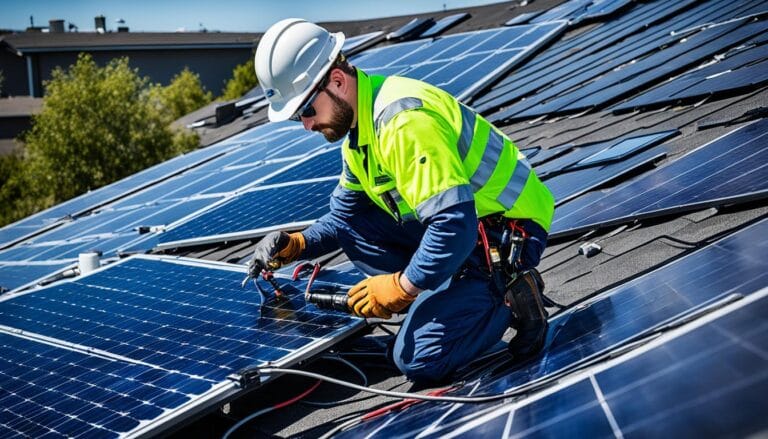
Practical actions to cut soft costs include: standardizing permitting paperwork, adopting online application portals, training inspection staff, offering low‑friction financing options, and investing in workforce apprenticeships. For businesses and installers, these changes improve margins and reduce payback times for customers, making solar panels and systems a more attractive investment.
Call to action: contractors and community leaders can reduce costs locally by adopting standardized permitting and training programs — contact your state energy office or trade association for model programs and funding opportunities.
Exploring the Economic and Environmental Benefits of Going Solar
Switching to solar energy advances the shift to clean energy while delivering measurable economic and environmental benefits. Key outcomes include reducing electricity costs, strengthening a resilient electrical grid, and supporting job growth across the solar industry.
Reducing Electricity Bills and Ensuring Resiliency
For many households and businesses, solar power lowers monthly electricity bills by offsetting grid consumption. (For context, the U.S. EIA reports average residential electricity use that can help estimate potential savings — check the latest EIA data for current per-household consumption.) Coupling PV with battery storage increases resilience: stored solar energy can supply critical loads during outages, reduce peak demand charges, and shift consumption to lower-cost hours.
Job Creation and the Growth of the Solar Industry
The solar sector supports a range of jobs—from system design and installation to manufacturing, operations, and R&D. Growth in solar energy deployment creates skilled employment opportunities and local economic activity, benefitting contractors, suppliers, and communities where solar farms and rooftop projects are installed.
| StatisticImpact / Note | |
| Household energy use (example) | Use current EIA figures to estimate local savings; results vary by system size, location, and incentives |
| Carbon savings (example) | Replacing grid electricity with solar reduces greenhouse gas emissions; use EPA or regional grid emissions factors for precise estimates |
| Efficiency gains | Commercial module efficiencies and cell records have improved substantially over the past decade; consult NREL for up‑to‑date efficiency charts |
| Energy payback trends | Energy payback times (EPBT) for PV systems have declined as manufacturing and efficiency improved; check lifecycle analyses for exact figures |
Practical takeaway: Instead of generalized analogies, use calculators and authoritative data (EIA, EPA, NREL) to estimate electricity savings, CO2 reductions, and payback times for a specific location and system size. Incentives such as federal tax credits, state rebates, and local net metering policies substantially affect project economics, so factor these into ROI calculations.
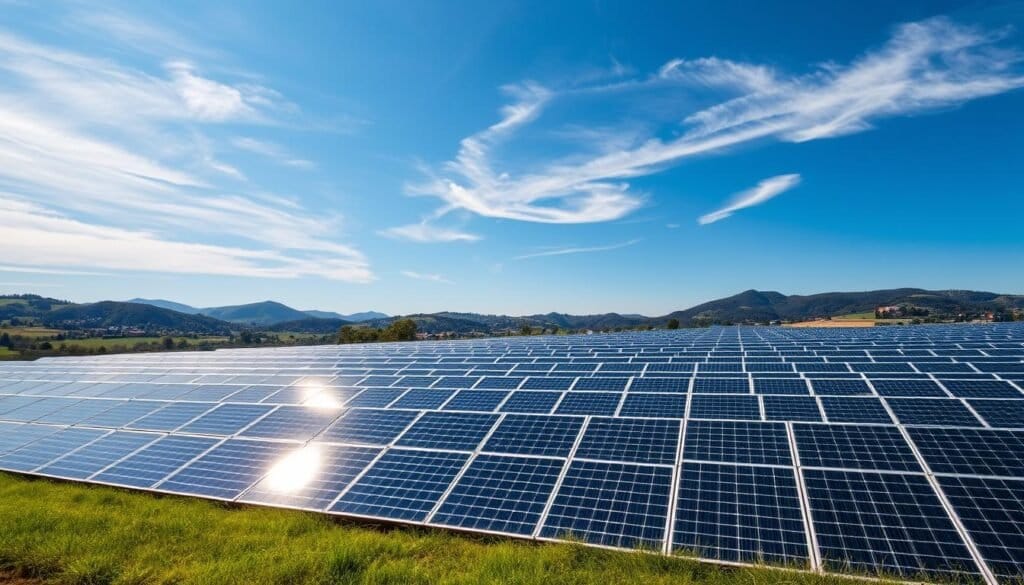
Large-scale solar farms provide utility-scale energy production and economies of scale, while distributed rooftop panels deliver localized benefits to homes and businesses. Together, these deployments reduce reliance on fossil fuels and move the world toward a lower‑carbon energy mix.
The Technology Advancements in Solar Power Generation
The solar power industry continues to evolve rapidly thanks to ongoing solar photovoltaic technology advances and expanding solar energy research developments. Improvements in cell and module efficiency, new panel architectures, and better energy storage are all contributing to lower costs, higher output, and broader deployment across homes, businesses, and utility-scale projects.
Innovations in Solar Panel Efficiency and Storage Solutions
Commercial solar panels today commonly reach module efficiencies in the high teens to mid-20s percent range, while record laboratory cells exceed those values. For example, manufacturers and research labs periodically report new cell records that demonstrate potential for higher commercial performance. At the same time, energy storage technologies—primarily lithium-ion batteries today, with flow and other chemistries emerging—improve system value by time-shifting solar generation, providing grid services, and increasing self-consumption.
Storage trade-offs include cost per kWh, lifecycle, and round-trip efficiency (lithium-ion systems commonly achieve 85–95% round-trip), while newer approaches aim for longer-duration storage at lower cost. As storage and inverter systems improve, they make solar power more dispatchable and attractive for investment by utilities and businesses.
Emerging Trends in Solar Power Generation Technology
New panel formats and system architectures are reshaping how solar is deployed. Bifacial panels capture light on both faces to boost production (especially when installed over reflective surfaces or with trackers). Lightweight and flexible solar fabrics and building-integrated PV expand where panels can go, enabling solar on unconventional surfaces and new markets.
Over the last decade, dramatic cost declines in module manufacturing, balance-of-system components, and installation processes have made solar far more competitive versus traditional fuels; authoritative sources such as IRENA, NREL, and BloombergNEF track these trends and provide the most reliable figures for cost changes and learning rates. Large developers and utilities—companies like Adani Green and Lightsource BP—are deploying multi-hundred-megawatt and gigawatt-scale projects that demonstrate economies of scale and investment opportunities in solar farms.
| CompanyLocationCapacityProject | |||
| Adani Green Energy | Gujarat, India | 1 GW (example of large-scale development) | Khavda Solar PV Park (illustrative) |
| Lightsource BP | Greece | 560 MW (example) | Utility-scale Solar PV Park |
For investors and businesses considering solar today, key decision factors include module efficiency, expected degradation and warranty terms, local solar resource, available incentives, and storage integration. Continued R&D—combined with falling component costs and improved system designs—positions solar power to take on a growing share of global energy production in the coming years.
Conclusion
Solar energy is a leading clean energy solution that can significantly reduce greenhouse-gas emissions while expanding access to reliable electricity. Technological progress — from Edmond Becquerel’s early observations in 1839 to today’s silicon-based modules and advanced storage — shows how rapidly solar power technology has matured.
Many homeowners and businesses see measurable financial benefits from solar panels when location, system size, and incentives line up; reported savings vary by market and incentive programs, so check local calculators and policy pages for exact estimates. Solar batteries now let households store excess production for evening use or backup power, improving resiliency and the value of rooftop systems.
It’s important to note that while operating solar panels produce no emissions, lifecycle emissions (manufacturing, transport, installation) exist — life-cycle analyses show PV systems still deliver large net reductions in CO2 compared with fossil-fuel generation. The global solar resource is vast, and with continued advances in technology, deployment, and policy, solar power can supply a growing share of the world’s energy needs.
Ready to see if solar is right for your home or business? Use a local solar savings calculator or contact a certified installer to estimate costs, payback years, and system sizing based on your energy use and location.
FAQ
How Does Solar Energy Create Electricity?
What Factors Affect the Potential of Solar Power Generation?
Can Solar Energy Be Stored for Later Use?
How Do Photovoltaic (PV) Cells Work?
What Is Concentrating Solar‑Thermal Power (CSP)?
What Does Integrating Solar Power into the Electrical Grid Entail?
What Are Solar Energy ‘Soft Costs’?
What Economic Benefits Does Solar Energy Provide?
What Advancements Are Being Made in Solar Power Generation?