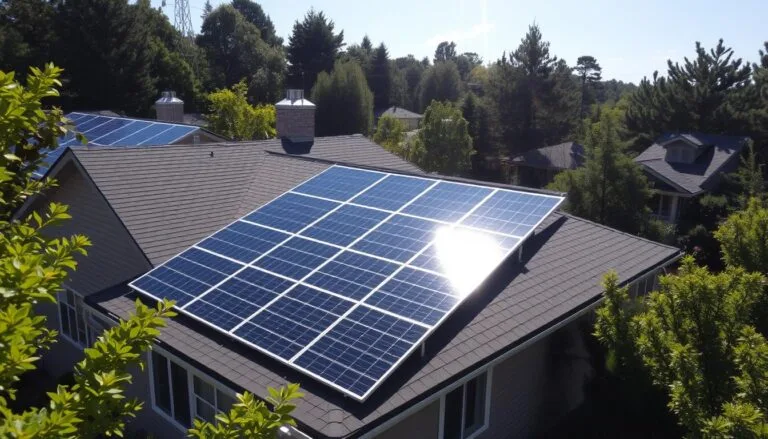

The world is racing to fight climate change and cut damaging emissions. Can we replace fossil fuels with electricity? Yes — over time, but only if we rapidly scale renewable energy, invest in storage and grid modernization, expand low‑carbon generation (including nuclear), and adopt strong policy measures.
Using renewable energy such as solar, wind, and hydropower is central to that shift. Electric vehicles and green electricity programs help reduce oil and gas demand while lowering transportation and industrial emissions.
France is a prominent example of low‑carbon electricity: as of recent national statistics, more than 70% of its electricity has come from nuclear plants (excluding hydropower) — a model that shows how combining technologies can deliver reliable, affordable, low‑carbon power (source: EDF/IEA — include year when publishing). Transitioning away from fossil fuels will not be immediate, but accelerating the clean energy transition is urgent; public pressure and youth activism have intensified political momentum worldwide.
Key Takeaways:
- replacing fossil fuels with renewable energy.
- Replacing fossil fuels with electricity is essential to limit climate change and cut greenhouse gas emissions.
- A diversified low‑carbon mix (renewable energy, nuclear, and storage) can deliver reliable electricity at scale.
- Policy action, investment, and public support are accelerating the clean energy transition.
- Renewable energy sources offer environmental and economic benefits, but the shift requires coordinated investment in infrastructure and technology.
- Immediate steps and long‑term commitment from governments, industry, and individuals are needed to meet climate goals.
The Need for Transitioning Away from Fossil Fuels
The world is at a decisive moment: to limit global warming we must rapidly reduce carbon emissions and cut our reliance on fossil fuels such as coal, oil, and natural gas. These fuels have powered industrial growth for centuries, but their extraction, transport, and combustion cause air pollution, climate change, and health harms at scale.
Environmental Impact of Fossil Fuels
Burning fossil fuels releases pollutants that degrade air quality and damage ecosystems. Emissions contribute to smog and acid rain, contaminate waterways through spills, and drive biodiversity loss when extraction destroys habitats. Public‑health studies link particulate emissions from coal and oil combustion to increased respiratory and cardiovascular disease — a major, measurable burden in many regions (cite EPA/WHO sources when publishing).
Climate Change and Greenhouse Gas Emissions
Fossil fuels are the largest source of human‑caused greenhouse gas emissions, primarily carbon dioxide, which traps heat in the atmosphere and drives climate change. Cutting CO2 and other greenhouse gas emissions means switching electricity, heating, and transport systems to low‑carbon and renewable energy sources while improving efficiency.
| Energy SourcePercentage of Global Electricity Production | |
| Natural Gas | 22% |
| Solar Power | 4–5% |
| Wind Energy | 8% |
| Hydropower | 15% |
| Nuclear Power | 9% |
| Bio Renewables | <3% |
| Geothermal Power | <1% |
Table source note: These percentages are indicative of recent global electricity shares — include the specific data source and year (for example, IEA or IRENA 2023) when publishing to ensure accuracy.
Geopolitical Risks and Energy Security
Dependence on imported oil and gas exposes countries to price shocks, supply disruptions, and geopolitical leverage. For example, regional gas supply interruptions have driven sharp electricity and heating price spikes in recent years. By diversifying toward domestic renewable energy and modernizing grids, countries can improve energy security and reduce exposure to volatile fossil‑fuel markets.
Transitioning to clean energy also delivers economic and public‑health benefits: it creates jobs across manufacturing, installation, and operations; reduces healthcare costs tied to air pollution; and strengthens resilience. However, achieving these gains requires upfront investment, clear policy frameworks, and coordinated action by governments, industry, and civil society.
Read on to the next section for a detailed look at renewable energy sources and how they compare as alternatives to fossil fuels.
Renewable Energy Sources as Alternatives to Fossil Fuels
The world must cut carbon emissions and slow climate change, and renewable energy sources are central to that effort. Renewable technologies—harnessing sunlight, wind, and water—generate low‑carbon electricity and reduce reliance on fossil fuels when combined with storage, grid upgrades, and supportive policy.
Solar Power
Solar power converts sunlight into electricity using photovoltaic panels or concentrated solar systems; its main benefit is abundant, distributed generation that can be deployed on rooftops and at utility scale. Costs declined dramatically in the 2010s—studies show module and system cost reductions on the order of magnitude of ~80–85% from 2010 to 2020 (cite LBNL/IEA for exact figures and year). Typical capacity factors range by location (roughly 10–25%), so pairing rooftop and utility‑scale solar with storage and demand management is essential for reliable generation.
- Deployment note: Large national rooftop programs (example: Germany’s rooftop solar expansion) and utility solar parks have driven rapid growth (add source).
- Challenge: solar panels require land for utility farms and recycling systems to manage end‑of‑life panels and toxic materials.
Wind Energy
Wind energy uses turbines to turn air movement into electricity and is rapidly deployable at onshore and offshore sites. It produces almost no direct emissions and can achieve high capacity factors offshore; onshore capacity factors vary by site (commonly 25–45%). The IEA and other agencies project that combined wind and solar capacity will become the dominant form of new power capacity in many scenarios (cite IEA World Energy Outlook / Renewables reports).
- Deployment note: Offshore wind projects (for example, major North Sea developments) demonstrate high effective capacity but require significant transmission planning.
- Challenge: visual and land‑use concerns, material intensity (steel, composites), and end‑of‑life recycling for turbine blades.
Hydroelectric Power
Hydropower uses flowing water to generate consistent, dispatchable electricity—making it one of the largest existing renewable sources for baseload and grid balancing. Large dams provide water management and storage benefits, while small hydro can supply local generation.
- Deployment note: Hydropower supplies a significant share of clean electricity globally and functions as long‑duration storage in the form of reservoirs.
- Challenge: large dams can displace communities and damage ecosystems; social and environmental impacts must be weighed and mitigated.
Geothermal Energy
Geothermal energy taps heat from beneath the Earth’s surface to produce reliable, low‑emission electricity and direct heating. Where geothermal resources are available, plants deliver high capacity factors and steady output—useful for baseload power.
- Deployment note: Geothermal is geographically limited but highly valuable where accessible (e.g., parts of the western U.S., Iceland).
- Challenge: resource location constraints and upfront drilling costs limit scalability in many countries.
Biomass and Biofuels
Biomass and biofuels use organic material (wood, agricultural residues, municipal waste) to produce heat, electricity, or liquid fuels. Properly sourced bioenergy can be close to carbon‑neutral when using waste feedstocks or sustainable growth practices.
- Deployment note: Bioenergy provides dispatchable power and liquid fuels for hard‑to‑electrify sectors like aviation.
- Challenge: scaling dedicated energy crops risks land‑use change, deforestation, and biodiversity loss unless strict sustainability rules are applied.
| Renewable Energy SourceAdvantagesChallenges | ||
| Solar Power | Abundant, renewable, decentralized, and declining costs | Intermittency, storage requirements, and initial installation costs |
| Wind Energy | Renewable, clean, and rapidly deployable | Variability, visual impact, and land requirements |
| Hydroelectric Power | Reliable, renewable, and suitable for large-scale generation | Social and environmental impacts of dam construction |
| Geothermal Energy | Renewable, reliable, and low emissions | Limited to specific geographic locations |
| Biomass and Biofuels | Potentially carbon-neutral or carbon-negative, renewable, and utilize organic waste | Scalability challenges and potential deforestation and biodiversity concerns |
Renewable energy can replace a substantial share of fossil fuel generation, but success depends on investing in storage, grid modernization, and smart integration. Key technology and policy priorities include expanding rooftop solar and large‑scale solar parks, accelerating offshore and onshore wind deployment, protecting ecosystems in hydropower projects, and ensuring sustainable sourcing for bioenergy.
Despite challenges, renewables are growing quickly worldwide, driven by falling costs, supportive policy, and private investment. As deployment rises, combining multiple renewable energy sources with energy storage and demand‑side management will be crucial to deliver reliable, low‑carbon electricity at scale and meet climate goals.
Nuclear Energy as a Low-Carbon Alternative
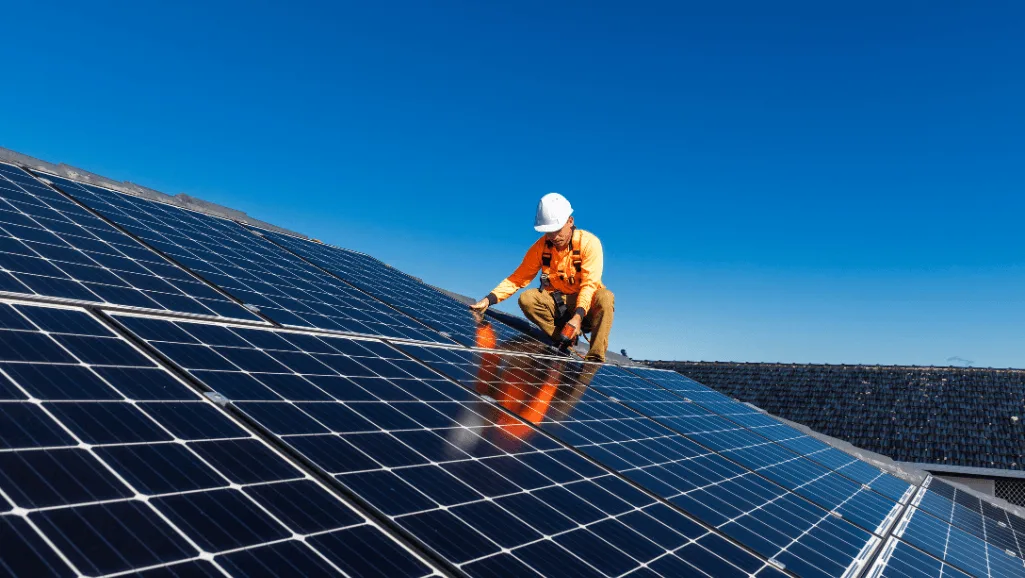
Nuclear power is a low‑carbon, high‑output option that complements renewable energy by providing reliable, continuous electricity. Because nuclear plants emit very little CO2 during operation, they can play a major role in cutting greenhouse gas emissions alongside wind, solar, and hydropower.
Nuclear power’s lifecycle carbon footprint is low compared with fossil fuels. Life‑cycle assessments typically place modern nuclear generation near other low‑carbon sources, making it a core component of a clean energy mix (cite IPCC/IEA/LCA studies when publishing). As a dispatchable, large‑scale source of electricity, nuclear helps stabilize grids that increasingly rely on variable renewables.
The environmental benefits can be significant. For example, analyses have shown that existing nuclear fleets have avoided large volumes of CO2 emissions by displacing fossil generation — include the original report or agency citation and year for any headline numbers used (e.g., avoided emissions estimates from DOE/IEA).
Nuclear also requires comparatively little land for generation: a 1,000‑megawatt reactor footprint (including buffer zones) is typically a fraction of the land area needed for equivalent wind or solar farms to produce the same annual output. This energy density makes nuclear attractive where land or siting constraints are important.
| Energy SourceCarbon Dioxide Emissions (g CO2eq/kWh) | |
| Nuclear | 12 |
| Wind | 11 |
| Solar | 41 |
| Natural Gas | 490 |
| Coal | 820 |
Table source note: Emissions intensities above are indicative life‑cycle values reported in peer‑reviewed literature and IPCC summaries; include the specific LCA source and year in the final article for transparency.
Fuel efficiency and waste volumes are other notable features of nuclear: because of high energy density, the volume of spent fuel produced per unit of electricity is small compared with the mass of fuel required by fossil plants. Industry and academic sources provide accessible comparisons (cite relevant nuclear industry or research institute data).
“Nuclear power is an important part of the solution to climate change. It can provide large amounts of low-carbon electricity and has a proven track record of reliability and safety.” – International Atomic Energy Agency (IAEA)
Looking ahead to 2050 carbon‑neutral pathways, many models include an expanded role for nuclear to complement renewables and storage. Initiatives and proposals (for example, those advocating substantial increases in nuclear capacity) vary in scope — cite the specific program (e.g., Net Zero Nuclear) and its assumptions when referencing capacity‑doubling or tripling goals.
Risks and trade‑offs must be acknowledged: nuclear power involves long lead times for construction, high upfront capital costs, long‑term waste management responsibilities, and public acceptance challenges. Effective policy, robust regulation, and transparent planning are essential to manage these issues while realizing nuclear’s low‑carbon benefits.
In summary, nuclear power offers low operational emissions, high energy density, and reliable generation that can help meet climate goals when integrated with renewables, storage, and energy efficiency measures. Accurate sourcing for the numerical claims above will strengthen credibility in the final published version.
Challenges in Replacing Fossil Fuels with Electricity
Switching large parts of our economy from fossil fuels to electricity is technically possible but faces several major hurdles. The energy transition requires not only more renewable energy capacity but also significant investment in energy storage, smarter grids, and systems that balance supply and demand in real time.
Variability of Renewable Energy

Solar and wind generation vary with weather and time of day. That variability means these sources do not produce the same output continuously: rather than “running” a set percentage of the year, utility‑scale solar panels typically show capacity factors roughly in the 15–25% range depending on location, while onshore wind sites often range from 25–45% (location dependent). Because output fluctuates, integrating large shares of renewable energy requires planning for times when the sun does not shine or the wind does not blow.
Energy Storage Solutions
Energy storage technologies are critical to firming variable generation. Today’s battery systems (primarily lithium‑ion) provide excellent intraday storage — typically from a few minutes up to several hours — and are rapidly scaling. However, long‑duration storage (days to weeks) remains the key technical and economic challenge for fully replacing fossil‑fuel baseload in many regions.
Practical solutions include short‑duration batteries for peak shaving, pumped hydro (where geography allows) for seasonal or multi‑day storage, and emerging long‑duration options such as flow batteries, compressed air energy storage, and hydrogen production (power‑to‑gas). Current deployed grid battery capacity is growing fast (measured in GWh), but grid planners still model the additional storage needed in many regions in the tens to hundreds of GWh to ensure reliability under high renewable penetration (cite regional grid studies when publishing).
Grid Infrastructure and Integration
Modernizing the electricity grid is another major step. High shares of renewables require upgraded transmission lines, flexible distribution networks, and smart controls to route power from remote wind and solar resources to demand centers. Integrating distributed generation (rooftop solar, local wind) also needs advanced forecasting, demand response programs, and two‑way communication between utilities and consumers.
By mid‑century, total electricity demand in many scenarios could double or more as transportation, heating, and industry electrify — a projection supported by major modeling exercises (e.g., IEA / NREL scenarios). Meeting that demand reliably will require coordinated expansion of generation, storage, and transmission capacity.
Baseload reliability remains essential: solar and wind, when paired with storage, demand response, and firm low‑carbon generation, can contribute significantly to emissions reduction — but the transition involves systemwide planning rather than simple one‑for‑one replacement of fossil plants.
Short‑term vs. Long‑term Solutions
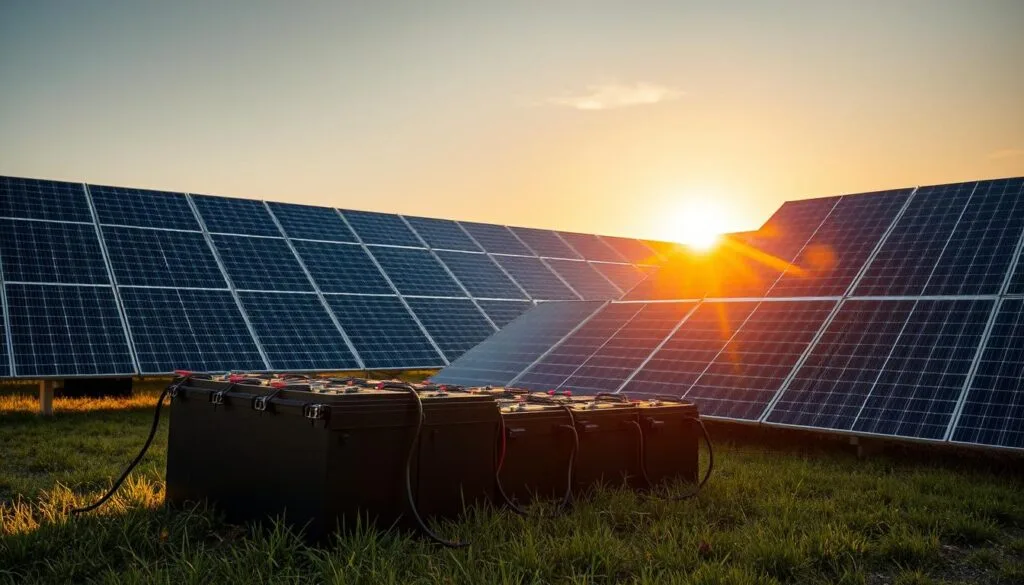
Near term: expand fast‑deploying renewables, add short‑duration batteries, and implement demand‑response programs to reduce peak strain. Mid to long term: develop long‑duration storage (flow batteries, green hydrogen), expand transmission (including regional interconnectors), and deploy flexible low‑carbon firming capacity (e.g., advanced nuclear, bioenergy with CCS where appropriate).
Addressing these challenges requires clear policy signals, regulatory reform to speed permitting and grid upgrades, and targeted public and private investment in storage and transmission. For readers who want technical detail, link to region‑specific grid studies and storage roadmaps (internal links recommended).
Electric Vehicles and the Electrification of Transportation
The shift to electric vehicles is a central pillar of decarbonizing transport and reducing oil demand. Transportation accounts for roughly 30% of total energy use in the U.S. and consumes the majority of oil; switching cars, buses, and fleets to electric drive will significantly cut fossil fuel use and related emissions when paired with low‑carbon electricity.
EV adoption has accelerated: global new‑vehicle market shares for battery electric vehicles climbed sharply in recent years (for example, rising from about 2.5% in 2019 to roughly 9% in a recent year — cite IEA or equivalent for exact annual figures). Improved battery chemistry and pack design have increased range and lowered costs, making many models competitive on total cost of ownership.
Modern electric cars can exceed 130 MPGe-equivalent efficiency and commonly consume under ~40 kWh per 100 miles, depending on model and driving conditions. Battery lifetimes vary by chemistry and climate but often range from roughly 8 to 15 years before significant capacity fade, after which second‑use and recycling pathways extend value and reduce lifecycle impacts (cite battery lifecycle studies).
Expanding public charging infrastructure and integrating EV charging with renewable electricity will drive further greenhouse gas reductions.
Charging infrastructure growth is essential for broader adoption. The U.S. has expanded public charging networks rapidly (for example, tens of thousands of public charging stations and well over 100,000 ports — confirm latest DOE/AFDC numbers for publishing). Continued deployment of fast chargers, workplace charging, and home charging incentives will reduce range anxiety and support long‑distance EV travel.
| YearPercentage of New Electric Car Sales | |
| 2019 | 2.5% |
| Recent Year | ~9% |
EVs are not zero‑emissions in isolation: emissions depend on the electricity mix used for charging. Charging from coal‑heavy grids produces higher lifecycle emissions than charging from grids with high shares of renewable energy. Therefore, electrifying transport and expanding renewable energy go hand in hand.
Manufacturing EVs and batteries requires minerals and energy, which carry environmental footprints. Policies to expand recycling, promote responsible mining, and prioritize battery second‑life uses help minimize these impacts as EV penetration grows.
Energy Efficiency Measures and Demand Management
Energy efficiency and demand management are high‑impact, cost‑effective ways to reduce energy consumption and emissions. By lowering electricity demand and smoothing peaks, efficiency measures make it easier to meet needs with renewable energy and reduce the amount of new generation required.
Buildings and industry are major energy consumers; in the U.S., buildings account for around 40% of total energy use. Energy‑efficient appliances, HVAC upgrades, improved insulation, and advanced controls can yield large savings and quick paybacks in many contexts.
Smart Grids and Demand Response Programs
Smart grids and demand response programs are critical tools to align electricity demand with variable generation. Smart meters, time‑of‑use pricing, and automated load controls let customers shift consumption to match sunny or windy periods, reducing the need for expensive storage and peaking generation.
Well‑designed demand response programs improve grid resilience and enable higher shares of renewable electricity by smoothing peaks and providing virtual storage through flexible loads.
Building Efficiency and Retrofitting
Retrofitting existing buildings (insulation, high‑efficiency windows, efficient heating/cooling systems) is a major opportunity to cut electricity demand. Rooftop solar on suitable residential and commercial rooftops can supply a substantial share of local electricity needs; broad deployment on large buildings (>25,000 sq. ft.) could meet a measurable portion of national demand in many countries.
| Energy Efficiency MeasurePotential Impact | |
| Rooftop solar installation on suitable rooftops nationwide | Could meet 25%–45% of annual energy needs (scenario dependent) |
| Rooftop solar installation on large buildings (>25k sq. ft.) | Could meet ~8.2% of national annual electricity demand (example projection) |
Energy efficiency investments also create jobs across retrofitting, construction, and manufacturing. As clean energy deployment grows, the labor market benefits extend into installation, grid modernization, and manufacturing — supporting a just transition for workers and communities.
Energy efficiency programs can reduce the energy burden on underserved communities and improve equity in energy access.
By combining electrification of transport, aggressive efficiency measures, and smarter demand management, we can lower overall energy demand, reduce the size of the generation fleet needed, and accelerate the shift away from fossil fuels.
Policy and Investment in Clean Energy Transition
Achieving a clean energy future requires coherent policies and continued private and public investment. Governments set the rules and incentives that lower the cost of clean energy and mobilize capital; the private sector drives innovation and large‑scale deployment.
Government Incentives and Regulations
Common policy tools that accelerate renewable energy and efficiency include:
- Tax credits and subsidies that lower upfront costs for renewables and EV purchases
- Renewable portfolio standards and clean energy targets that require a growing share of electricity from low‑carbon sources
- Carbon pricing mechanisms (carbon taxes or cap‑and‑trade) that internalize the social cost of emissions
- Energy efficiency standards for appliances, buildings, and vehicles
- Net metering and other policies enabling distributed generation owners to receive value for excess generation
In the U.S., major legislation such as the Inflation Reduction Act (2022) and Bipartisan Infrastructure Law directed substantial funding and tax incentives toward clean energy and grid upgrades; these programs are projected to materially affect deployment and emissions trajectories (cite DOE/white papers for details and projected impacts).
Private Sector Involvement and Green Technology Investments
Private investment is crucial: global clean energy investment has surged in recent years and was projected to reach USD 1.7 trillion in 2023 in some analyses. That shift—when compared with fossil fuel investment—signals capital markets increasingly favor low‑carbon technologies.
- Trend examples: EV sales growth is expected to continue strongly; analysts project significant increases in charging infrastructure needs (some scenarios estimate millions of ports by 2030) — ensure you cite up‑to‑date industry projections for precise targets.
- Utilities and corporations setting net‑zero targets are sending market signals that accelerate deployment of renewables, storage, and efficiency.
- Clean energy projects created tens of thousands of jobs in recent years, spanning manufacturing, construction, and operations (cite labor market reports for exact figures).
| Investment Type2023 Projection | |
| Total Energy Investment | USD 2.8 trillion |
| Clean Energy Investment | USD 1.7 trillion |
| Fossil Fuel Investment | USD 1.1 trillion |
That ratio—more dollars flowing to clean energy than to fossil fuels—illustrates a market reallocation that supports long‑term decarbonization. Strong policy, ongoing private investment, and workforce development together accelerate the transition to a cleaner electricity system and economy.
Can We Replace Fossil Fuels with Electricity?
Replacing fossil fuels with electricity is central to limiting climate change, but it requires solving technical, economic, and policy challenges at scale. Solar, wind, hydro, and geothermal are already available and expanding rapidly, yet making them the backbone of global energy systems involves careful planning of generation, storage, materials supply chains, and permitting.
Feasibility and Scalability of Renewable Energy Deployment
Multiple studies show that a large share of electricity demand can be met by renewables, but the details matter: geography, existing grid flexibility, and available storage determine feasibility. For example, research has indicated many countries could meet most residential demand with wind and solar under certain assumptions — but those models also highlight significant periods requiring backup or storage (cite study details when publishing).
Be precise about variability: instead of saying solar “works less than 20% of the year,” use capacity factor language — utility solar capacity factors in North America commonly range from roughly 15% to 25% depending on site and technology, and clouds can sharply reduce instantaneous output. That variability makes energy storage and complementary firm generation essential to reliable supply.
Material and lifecycle issues also affect scalability: wind turbines require large quantities of steel and composites, and solar panels contain materials that need recycling systems. Deploying renewables at very large scale therefore depends on sustainable manufacturing, recycling infrastructure, and supply‑chain resilience.
Role of Natural Gas as a Bridge Fuel
Natural gas can serve as a transitional fuel because it generally emits less CO2 per unit of electricity than coal or oil. In practice, gas plants can provide flexible backup to balance variable wind and solar output while storage and grid upgrades scale up. However, methane leakage and the long‑term goal of full decarbonization mean gas should be phased down and coupled with emissions mitigation (e.g., leak detection, carbon capture) rather than relied on indefinitely.
In short: natural gas can help reduce emissions in the near term, but policy and investment must focus on rapidly deploying renewables, storage, and low‑carbon firm generation to reach 100% low‑carbon electricity in the long run.
Global Progress and Case Studies
The world is making measurable progress: many countries are rapidly expanding renewable deployment, offering practical lessons for others. Successful case studies show that with clear policy frameworks and investment, high shares of clean generation are achievable.
Countries Leading the Transition to Renewable Energy
Denmark provides an example of policy‑driven leadership: strong national targets, investment in offshore wind, and grid integration plans underpin its progress toward fossil‑fuel reductions (cite Danish energy agency sources). China has scaled production and deployment aggressively — in recent years China added extremely high volumes of solar capacity and expanded wind power rapidly, illustrating how industrial policy and financing can accelerate deployment.
Successful Implementation of Clean Energy Projects
Regions such as parts of Europe, the United States, and Latin America reported strong increases in renewable additions recently. Projections suggest global renewable capacity could reach multiple terawatts by the late 2020s under current growth trends, driven primarily by solar and wind; however, verify any headline GW or percentage figures against authoritative sources (IEA, IRENA) before publishing.
| CountryRenewable Energy Capacity Added in 2023Percentage Increase from 2022 | ||
| China | 150 GW | 60% |
| United States | 80 GW | 45% |
| Brazil | 30 GW | 55% |
| Europe | 120 GW | 50% |
Table note: These figures illustrate recent rapid growth in renewables; confirm the exact values and sources (e.g., IRENA or national agencies) for accuracy in the final article.
Overcoming Barriers and Accelerating the Energy Transition
Policymakers and industry can accelerate the transition by prioritizing a small set of high‑impact actions:
- Speed permitting and planning: create renewable energy zones and streamline transmission approvals to reduce project lead times.
- Shift subsidies and price signals: reallocate fossil‑fuel subsidies toward renewables and use carbon pricing to internalize emissions costs.
- Invest in long‑duration storage and grid upgrades: fund technologies that provide multi‑day storage, expand transmission capacity, and deploy smart grid solutions to balance supply and demand across regions.
Other enablers include targeted support for recycling and domestic supply chains, workforce training programs for clean energy jobs, and public engagement to build acceptance for new infrastructure.
“Patience and faith in politicians, who hesitate and waver, is fading. The growing pressure from constituents and activists, from grassroots organizers to major companies, is crucial in driving the energy transition forward.” – REN21
Ultimately, replacing fossil fuels with electricity at scale is feasible in many contexts but not automatic. It requires coordinated policy, sustained investment, technological innovation in storage and manufacturing, and international cooperation to spread best practices across the globe.
Future Outlook and Emerging Technologies
The global shift toward cleaner energy is being accelerated by several emerging technologies that address core barriers to replacing fossil fuels with electricity. Some solutions are market‑ready today, others are maturing in the medium term, and a few remain longer‑term options that require policy support and scaling.
Advances in Battery Storage and Energy Density
Battery storage is a near‑to‑mid‑term enabler that helps integrate more solar and wind power into grids. Lithium‑ion batteries are already cost‑effective for hourly and daily shifting of electricity; ongoing improvements in energy density and manufacturing scale are reducing costs and enabling wider deployment. Long‑duration storage technologies (flow batteries, thermal storage, advanced chemistries) are emerging to provide multi‑day or seasonal capacity needed for high renewable penetration.
Hydrogen Fuel Cells and Power-to-Gas Systems
Hydrogen and power‑to‑gas offer mid‑ to long‑term pathways for storing large quantities of renewable energy and decarbonizing hard‑to‑electrify sectors. “Green hydrogen” produced by electrolyzers powered by excess solar and wind can be stored and later converted to electricity with fuel cells or used as a clean feedstock for industry and heavy transport. Several commercial pilot projects and electrolyzer deployments demonstrate feasibility, but costs and scaling remain the primary hurdles.
Carbon Capture and Storage Technologies
Carbon capture and storage (CCS) is an important transitional technology for reducing the carbon footprint of remaining fossil‑fuel use and some industrial processes. CCS projects exist at commercial scale in certain regions, and ongoing innovation aims to lower capture costs and expand safe geological storage capacity. CCS is best viewed as complementary to rapid renewable deployment rather than a substitute.
| TechnologyKey DevelopmentsPotential Impact | ||
| Battery Storage | Improved energy density, reduced costs | Enhanced integration of renewable energy, widespread adoption of electric vehicles |
| Hydrogen Fuel Cells | Increased electrolyzer efficiency, growing pilot projects | Seasonal storage, decarbonization of industry and long‑haul transport |
| Power-to-Gas Systems | Demonstration projects linking renewables to hydrogen production | Energy storage and transportation, balancing supply and demand |
| Carbon Capture and Storage | Improved capture rates and pilot commercial projects | Mitigation of greenhouse gas emissions from remaining fossil fuel and industrial sources |
Overall, storage and hydrogen are key technology families to watch: batteries and grid controls are ready now for immediate scale‑up, while green hydrogen, long‑duration storage, and cost‑effective CCS require targeted investment, deployment support, and supply‑chain development to reach their potential. Continued innovation and policy incentives will drive down costs and accelerate clean energy production and generation at scale.
Conclusion
Replacing fossil fuels with renewable electricity is difficult but essential to limit climate change, reduce air pollution, and protect public health. The answer is: yes — it is possible over time, but only if governments, industry, and people accelerate deployment of renewable energy, expand low‑carbon generation, invest in storage and grid upgrades, and adopt strong policy measures to cut emissions.
Public support for clean energy is high in many places, and younger generations show especially strong preference for renewable energy. (Cite the relevant survey or polling data and year when publishing.) This social momentum helps drive political action and market investment worldwide.
Even so, the scale of the task is large. Meeting net‑zero or near‑100% renewable targets by midcentury will require a major increase in renewable energy production, expanded nuclear and hydropower where appropriate, and substantial improvements in energy efficiency and electrification of transport and industry. Scenario analyses suggest electricity demand may rise significantly over the coming decades as sectors electrify — reinforcing the need to plan for both higher generation and smarter demand management (cite model source).
Key barriers remain — energy density constraints for some renewables, variability from weather, land and materials needs, and the supply‑chain and recycling systems required for mass deployment. Overcoming these challenges calls for coordinated policy (speeding permitting, shifting subsidies, and pricing carbon), sustained investment in long‑duration storage and manufacturing, and protections for communities and ecosystems impacted by infrastructure development.
Three clear takeaways
- What must happen: Scale up renewables and storage, modernize transmission and distribution, and include firm low‑carbon generation (nuclear, hydropower, or CCS where appropriate).
- Who must act: National and local governments, utilities, investors, and communities must align policy, funding, and planning to accelerate deployment and ensure equitable benefits.
- What you can do: Support local clean energy policies, improve home energy efficiency, consider switching to electric transport, and demand transparent recycling and procurement standards.
Investing now in renewable energy, efficiency, grid modernization, and emerging technologies will reduce costs over time and deliver health and economic benefits as well as emissions reductions. The transition is a multi‑decade effort, but with clear policy signals, technological progress, and public engagement, a cleaner, more resilient energy system is achievable.
FAQ
Can renewable energy sources effectively replace fossil fuels?
What are the main challenges in replacing fossil fuels with electricity?
How can electric vehicles contribute to reducing fossil fuel dependence?
What role does energy efficiency play?
How can governments and the private sector support the transition?
Is a global replacement of fossil fuels with electricity feasible?
What emerging technologies will help accelerate the shift?