Skip to content

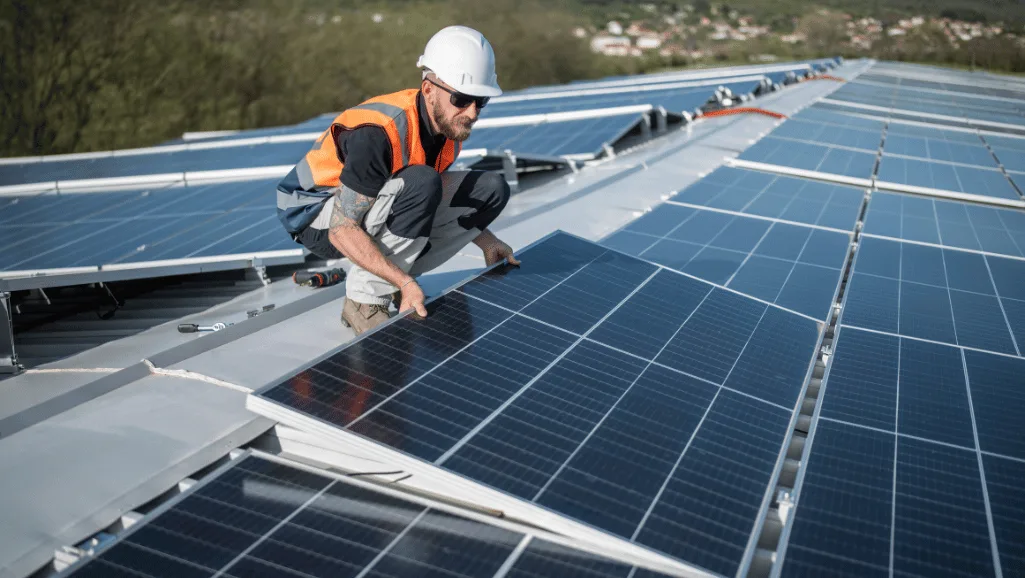
Choosing residential solar power lets homeowners generate clean electricity from sunlight, lower monthly utility bills, and reduce household carbon emissions. According to the Solar Energy Industries Association (SEIA), more than a million U.S. homes now have rooftop solar installations, a milestone that reflects rapidly falling costs and wider access to incentives and financing.
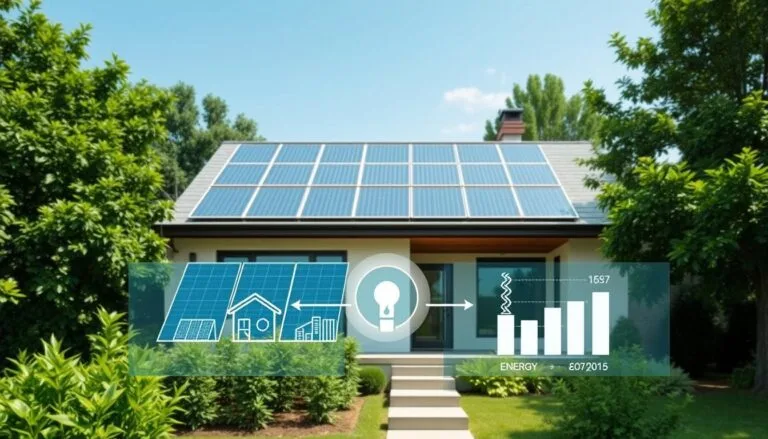
Residential solar systems turn rooftop sunlight into usable electricity for the home, and they can be paired with batteries to increase resilience during outages. Beyond immediate bill savings, properly sized systems and efficient solar panels can improve a home’s value and help meet long-term energy needs.
Key Takeaways
- Residential Solar Power reduces greenhouse gas emissions by offsetting grid electricity with clean, on-site production (see SEIA/NREL data).
- The sun is an abundant source for solar panels, enabling practical, eco-friendly home energy solutions that fit many roof types.
- Advances in panel technology and inverters make solar systems more efficient and reliable than ever.
- Homeowners can choose from panel types (monocrystalline or polycrystalline) depending on budget, available roof space, and desired efficiency.
- Going solar increases energy independence and can boost property value while lowering long-run energy costs.
- Federal and state incentives—including the Investment Tax Credit and local rebates—significantly lower upfront costs; check current programs for your state.
- Estimate your household’s production needs by comparing typical daily electricity use to available roof sunlight and system size.
Understanding How Residential Solar Power Works
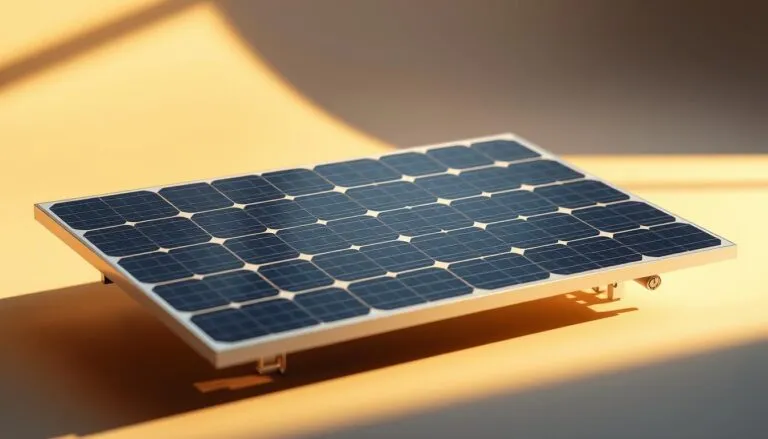
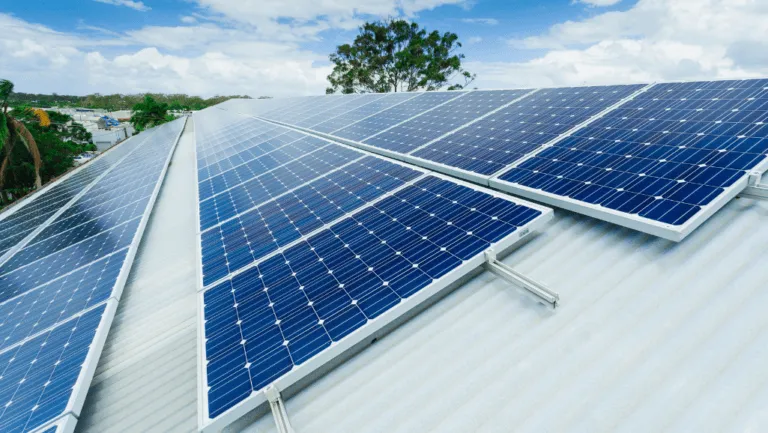
Learning how residential solar energy works starts with the basic conversion of sunlight into usable electricity and a clear view of the main home solar system components. A rooftop solar panel array captures sunlight and begins the process; the complete solar system includes the panels, an inverter, mounting hardware, wiring, and optional battery storage.
The Process of Solar Energy Conversion
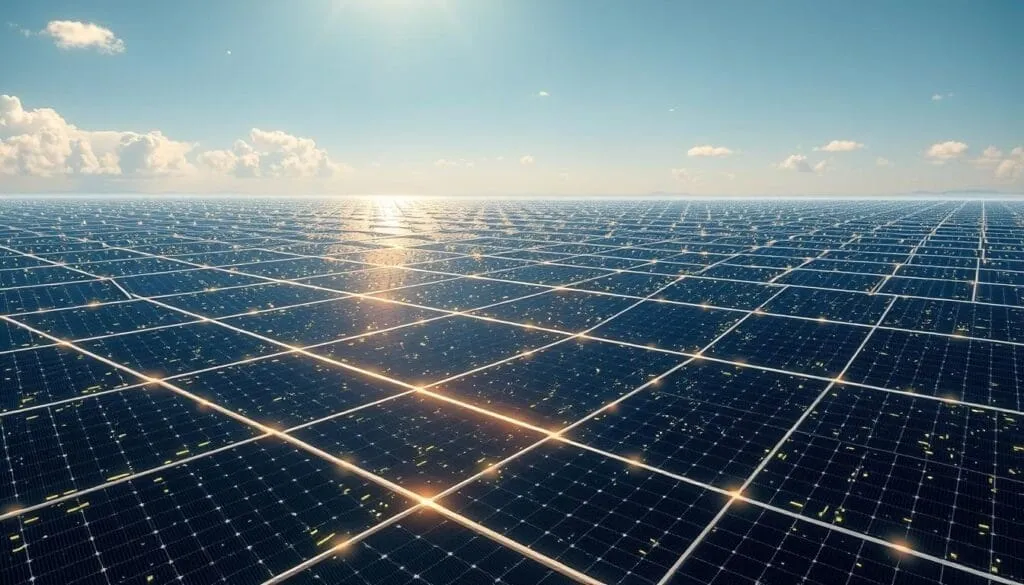
Photovoltaic (PV) cells inside solar panels absorb photons from sunlight and generate direct current (DC). A solar inverter then converts that DC into alternating current (AC) that powers household appliances and lighting. System performance depends on panel technology, orientation, shading, and local weather—panels produce the most solar energy production under clear, direct sunlight.
Temperature affects output: most panels are tested at standard test conditions (77°F), and higher operating temperatures can reduce efficiency (manufacturers specify temperature coefficients). For real-world planning, expect some performance loss on very hot summer days.
Components of a Home Solar System
Key parts of a home solar setup:
- Solar panels — the modules with PV cells that convert sunlight to DC; choose panel type based on roof space and budget.
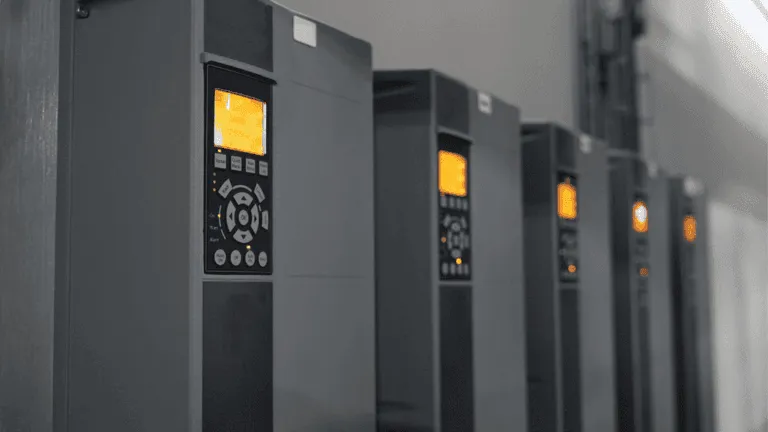
- Inverter — converts DC to AC; options include string inverters, microinverters, and power optimizers.
- Mounting and racking — secure the panels to your roof or a ground-mounted structure and set the tilt/azimuth for best sunlight capture.
- Battery storage (optional) — stores excess production for evening use or outages and improves resilience.
- Metering and monitoring — net metering can credit exported electricity to the grid; monitoring systems show real-time energy production and system health.
Choosing between monocrystalline and polycrystalline panels involves tradeoffs: monocrystalline panels are typically more efficient and more expensive, while polycrystalline panels cost less and require more roof area for the same output. Modern high-efficiency panels now commonly exceed the mid-teens and top models surpass 23% efficiency—check manufacturer specs when comparing options.
Role of Photovoltaic Cells in Energy Capturing
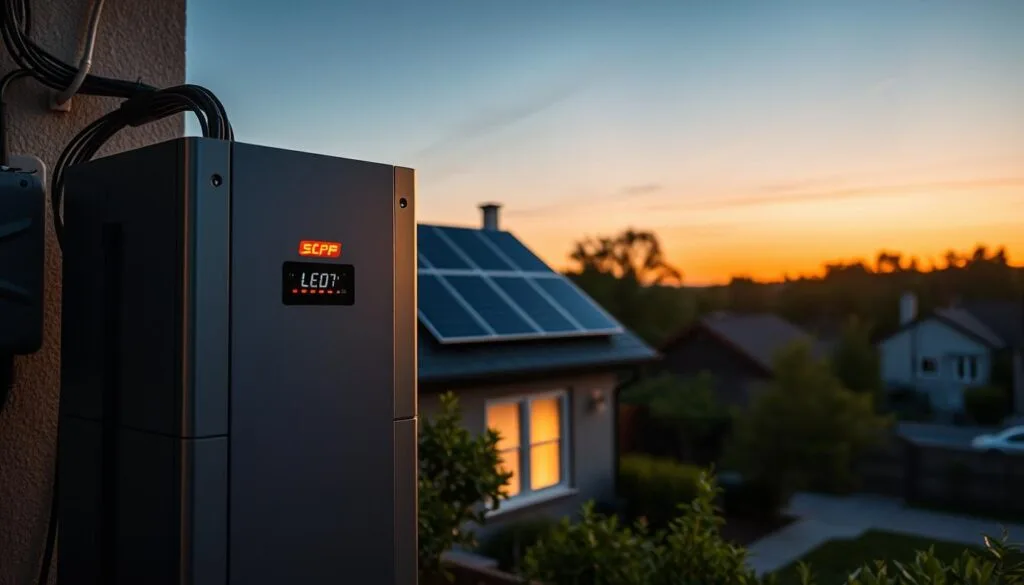
Photovoltaic cells are usually silicon-based and are doped to form p-n junctions (commonly using phosphorus and boron) that create an electric field. When photons strike a cell, they free electrons and create a current flow. That DC current is routed to the inverter and then to the home’s electrical panel.
System sizing matters: a correctly sized solar system matches your household energy needs and available roof size. Use an online calculator or an installer’s site assessment to estimate how many panels you need based on your average monthly electricity use, local sunlight (insolation), and chosen panel efficiency. If you want to learn more about detailed design and inverter sizing, consult an inverter-sizing guide or a certified installer.
| Type of CellCostEfficiencySuitable Conditions | |||
| Monocrystalline | Higher | 15-23%+ | Limited roof area; better performance per panel |
| Polycrystalline | Lower | 15-20% | Ample roof space; lower upfront cost |
The Environmental Impact of Switching to Solar
Switching to solar power significantly reduces reliance on fossil fuels and lowers greenhouse-gas emissions because rooftop systems generate electricity from sunlight rather than coal or natural gas. On a lifecycle basis, solar electricity produces far fewer CO2-equivalent emissions per kilowatt-hour than fossil-fuel generation (see NREL and peer-reviewed LCA studies for regional estimates).
That reduction in emissions delivers local benefits too: less air and water pollution, which improves public health and protects ecosystems. Where grid electricity is dirtier, each kilowatt-hour of rooftop solar displaces more pollution and creates larger local health gains.
For readers who want numbers: lifecycle emissions for utility-scale solar typically range well below 0.2 lbs CO2e/kWh compared with 0.6–2.4 lbs CO2e/kWh for fossil sources, though exact values depend on the regional grid mix and the method used to calculate lifecycle impacts.
Reduction of Fossil Fuel Dependence
Adopting residential solar systems lowers demand for fossil fuel generation by supplying clean, on-site energy. That reduced demand helps curb fuel extraction and combustion, easing pressure on natural resources and contributing to long-term decarbonization goals.
At a community scale, more rooftop solar means a larger share of local energy production comes from renewable sources, which reduces the volume of fuel the grid must burn during sunny periods.
Lowering Household Carbon Emissions

Every kilowatt-hour of solar electricity produced at a home typically replaces a kWh that would otherwise come from the grid, thereby avoiding a quantity of CO2e that depends on local grid carbon intensity. As a rule of thumb, a typical 6 kW residential system can avoid several metric tons of CO2 per year in many U.S. regions—comparable to planting dozens of trees—though exact figures vary by location and household consumption.
Developers and designers follow environmental standards and permitting rules to minimize habitat disruption during installation, and industry improvements in recycling and lower-impact manufacturing continue to shrink the environmental footprint of panels and balance-of-system components.
Solar deployment also creates jobs in manufacturing, installation, and operations. National data (e.g., SEIA and BLS reports) show steady employment growth in the solar sector as installations expand and storage and maintenance services increase.
In short, residential solar power shifts energy production toward a low-carbon, renewable energy source that cuts local pollution, creates economic opportunities, and helps communities become more resilient. For a personalized estimate of emissions avoided by a home system, use a carbon-impact calculator or consult regional grid-emissions data.
Financial Benefits of Residential Solar Installation
Installing solar panels can be both an environmental choice and a sound financial decision. Homeowners benefit from lower monthly electricity costs, available incentives that reduce upfront costs, and potential increases in property value that improve long-term return on investment.
Long-term Savings on Electricity Bills
Properly sized home solar systems offset a significant portion of household electricity use. Depending on system size, local utility rates, and sunlight, homeowners often see annual savings of hundreds to a few thousand dollars. For many buyers, monthly loan or lease payments for a solar installation can be comparable to or lower than their previous utility bills, which accelerates net savings over the system’s life.
Example scenario: a typical 6 kW system (common for many homes) can reduce annual bills substantially—exact savings vary by region and system output—so always run a local estimate or installer quote to see your expected payback.
Attracting Incentives and Solar Credits
Federal and state incentives substantially reduce the effective cost solar. Homeowners should confirm current incentives and eligibility: the federal Investment Tax Credit (ITC) has provided significant tax relief historically, and many states and utilities offer additional rebates and performance-based credits. Check authoritative sources (IRS, DSIRE) for the latest program details and timelines in your state.
Community solar programs are another option for people who cannot install panels—these let participants receive bill credits for a share of a remote system without owning rooftop equipment.
| BenefitDescriptionPercentage/Cost Savings | ||
| Tax Credit | Federal incentive for solar installation | Up to 30% (verify current ITC status) |
| Monthly Savings | Reduction in electricity bills | Varies by usage and region; often offsets a large portion of prior utility costs |
| Home Value Increase | Increased property value due to solar panels | Studies show meaningful uplift; consult local market data (typical single-digit % increases) |
| ROI | Return on Investment from solar system | Varies widely by market; many homeowners see payback in 6–12 years depending on incentives and energy costs |
Overall, the financial case for solar panels depends on your local electricity rates, system size, and available incentives. To get an accurate picture, request installer quotes that show pre- and post-incentive costs, expected annual savings, and the estimated payback period over the years you plan to own the system. Consider financing options, cash purchase, or leasing to find the best investment approach for your situation.
Achieving Energy Independence with Home Solar Panels
Homeowners increasingly choose home solar energy systems as practical sustainable energy solutions that boost resilience and reduce reliance on the grid. By producing on-site electricity during peak sunlight and pairing it with storage, a properly sized system can deliver meaningful energy independence for everyday loads and critical circuits during outages.
Advances in solar panels and battery technology make this transition more affordable and reliable. Solar arrays generate power during the day; batteries store surplus production for evening use or to ride through short grid interruptions. For many households, that combination reduces monthly bills and raises self-sufficiency.
- Reduce grid use: Rooftop panels cut how much electricity you buy from the utility, lowering monthly costs.
- Backup power: Modern batteries can power essential circuits (refrigeration, lights, communications) for several hours to a day depending on battery capacity and household load.
- Incentives: Programs such as the Investment Tax Credit (ITC) and state rebates can lower upfront costs for solar + storage—check current rules for eligibility and whether storage qualifies.
When planning for independence, consider the difference between system types: grid-tied systems export excess energy and rely on the grid when needed; off-grid systems require larger panels and battery banks to meet all energy needs; hybrid setups combine grid connection with battery backup for flexible reliability.
System installation and sizing should match household energy consumption and available roof or ground space. A site assessment estimates expected production, recommended system size, and how much of your load the system can cover—discuss these specifics with a certified installer to plan capacity, storage, and expected payback.
The Health Benefits of Cleaner Energy
Switching to solar energy reduces the need for fossil-fuel electricity generation, which in turn lowers air and water pollution and delivers tangible public-health benefits. Cleaner electricity means fewer pollutants like particulate matter and sulfur oxides that are linked to respiratory and cardiovascular diseases.
Impact of Solar Energy on Air Quality
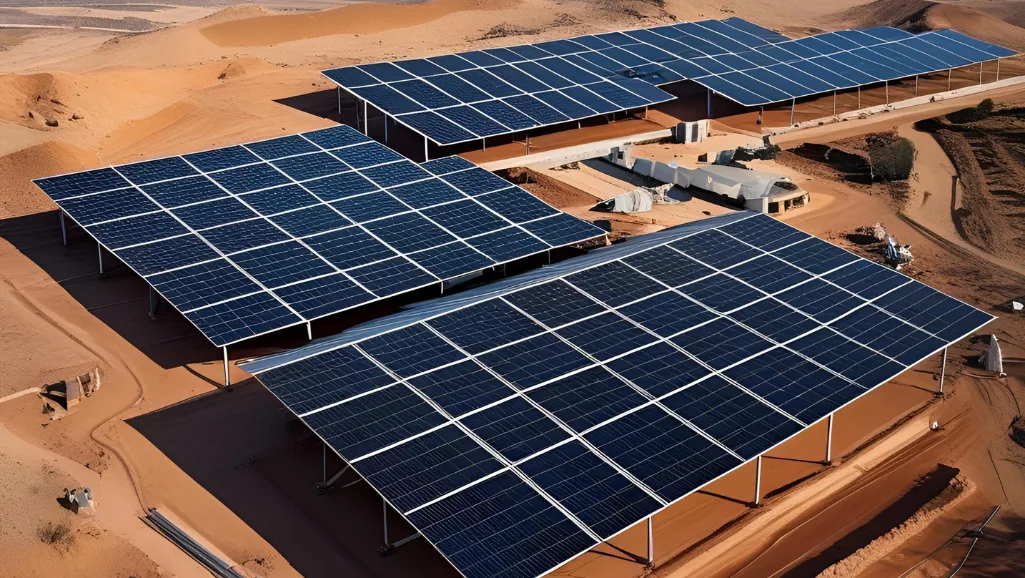
When rooftop and utility-scale solar displace fossil generation, local air quality improves because fewer combustion-related pollutants are emitted. The magnitude of that benefit depends on the regional grid mix: in areas that rely heavily on coal or oil, each kilowatt-hour of solar displaces more pollution than in regions already dominated by low-carbon generation.
Reducing Health Risks through Reduced Pollution
Reducing reliance on fossil fuels lowers risks for asthma, chronic respiratory illness, and heart disease tied to air pollution. Several public-health studies link declines in fine particulate matter (PM2.5) with measurable drops in hospital visits and mortality—outcomes that accelerate as more clean solar power comes online.
On the cost front, dramatic declines in installed prices over the past decade-plus have made solar more accessible. For example, utility and rooftop installation costs fell significantly between 2010 and the late 2010s (see LBNL and IRENA reports for regional figures), helping expand adoption and the related health benefits.
| Emission TypeFossil Fuels (lbs of CO2e/kWh)Solar (lbs of CO2e/kWh) | ||
| Carbon Dioxide Equivalent (typical LCA ranges) | 0.6 – 2.4 (varies by fuel and plant efficiency) | 0.07 – 0.2 (varies by technology and lifecycle assumptions) |
These lifecycle numbers are shown as ranges because exact values depend on the assessment method, system boundaries, and the local grid. For homeowners, the practical takeaway is that generating electricity from rooftop panels broadly results in much lower CO2e per kWh than most fossil sources.
Industry efforts to reduce environmental impacts continue—panel recycling programs, lower-impact manufacturing, and material innovations are all reducing the lifecycle footprint of solar components. For a localized estimate of health or emissions benefits, use a regional grid-emissions calculator or consult studies from EPA, NREL, or local public-health agencies.
Home Solar Panels: Enhancing Property Value
Installing solar panels is not only an environmental upgrade but frequently a strong financial one: many buyers value homes with lower operating costs and built-in renewable energy production. Research from real-estate analysts and energy labs shows a consistent premium for homes with owned solar systems, though the exact uplift depends on local markets and whether the system is owned or leased.
Market Trends Favoring Solar Installations
Studies from sources such as Zillow and NREL indicate that homes with rooftop solar often sell faster and for higher prices in sun-rich and high-electric-rate markets. The premium varies by region and system ownership; in many U.S. metros, buyers reward the predictable savings that a properly sized home solar system delivers.
Real Estate Perspectives on Renewable Energy Upgrades
Real estate professionals increasingly treat solar as a desirable home upgrade similar to energy-efficient windows or new HVAC systems. Important distinctions affect value: an owned solar installation typically transfers more readily to a buyer than a leased system or power-purchase agreement (PPA), and appraisals should reflect the system’s remaining warranty, expected production, and local utility rates.
| FeatureImpact on Property ValueAdditional Benefits | ||
| Solar Panel Installation | Local market premiums vary; studies show single-digit percentage increases are common (see local data) | Reduced operating costs; attractive to green-minded buyers |
| Electricity Bill Savings | Higher monthly savings often translate to higher sale value (example rule: some studies estimate $20 added value per $1 annual energy savings—use local data to confirm) | Long-term utility cost offsets over the system’s lifetime |
| Solar Tax Credits and Rebates | Lower initial cost improves net ROI and resale attractiveness | Makes installations affordable for more homeowners |
| Net Metering | Ability to export excess power can increase household savings | Enhances effective energy efficiency and payback |
Practical example: if your system reduces annual electricity costs by $1,200, applying the $20-per-$1 rule (where applicable) implies a possible $24,000 uplift in perceived value—always confirm with local appraisers and market comps. Also verify whether a system is owned outright (which typically adds value) or under a lease/PPA (which can complicate sale and financing).
When assessing the investment, ask for documentation: system specifications, historical production, warranty transfers, and proof of incentive capture. These items help appraisers and buyers quantify the value added by renewable energy upgrades and make it easier to reflect that value in sale price and offers.
Cost Analysis: Residential Solar Cost vs. Savings
Considering a switch to solar power? A clear cost analysis compares upfront cost (equipment, installation, permits) with long-term savings from lower electricity bills and available incentives. Your specific outcome depends on system size, panel choice, local electricity rates, and which rebates or tax credits apply in your area.
The installed price for a solar panel system varies widely. Higher-efficiency panels typically increase initial cost but deliver more energy per square foot, which can reduce the required system size and improve lifetime savings. Before you decide, run local quotes and compare net costs after incentives.
| Investment TypeCost ImpactLong-Term Savings | ||
| High-Efficiency Panels | Higher initial cost | Higher annual output → larger long-term savings |
| Government Rebates | Lower upfront cost | Improves payback and ROI |
| Standard Solar Loans | Immediate installation; financed cost | Spreads investment; payments often offset by bill reductions |
| Solar Leases / PPAs | Little or no upfront cost | Fixed, often lower, electricity rate but limited resale value benefits |
Example (illustrative): a 6 kW system in many U.S. markets might have a pre-incentive installed cost in the mid-to-high teens of thousands of dollars. After federal and state incentives, homeowner out-of-pocket cost and financing determine an expected annual savings—often several hundred to a few thousand dollars per year. Use local production estimates (kWh/year) and your utility rate to calculate an accurate payback.
Important notes and ranges to consider:
- Regional variation: electricity rates and sunlight determine savings—states with high utility rates see faster payback.
- Payback timeframe: realistic payback estimates typically range from about 5 to 15 years depending on incentives, financing, and local rates (not a universal 4–5 years).
- Price inflation hedge: solar can stabilize household energy expenses and reduce exposure to annual grid price increases, which historically vary by region.
Financing matters: a cash purchase maximizes lifetime return, a loan spreads the initial cost while capturing incentives, and leases/PPAs lower upfront expense but often limit resale benefits. For a precise projection, request installer quotes that include:
- Estimated annual production (kWh)
- Gross installed price and net price after incentives
- Expected annual savings and payback period
- Warranties and expected system lifetime
To move forward, use an online payback calculator or get multiple installer bids to compare true net investment and expected savings for your home. This gives you a defensible cost-vs-savings picture tailored to your location and energy use.
Solar Panel Installation for Homes Simplified
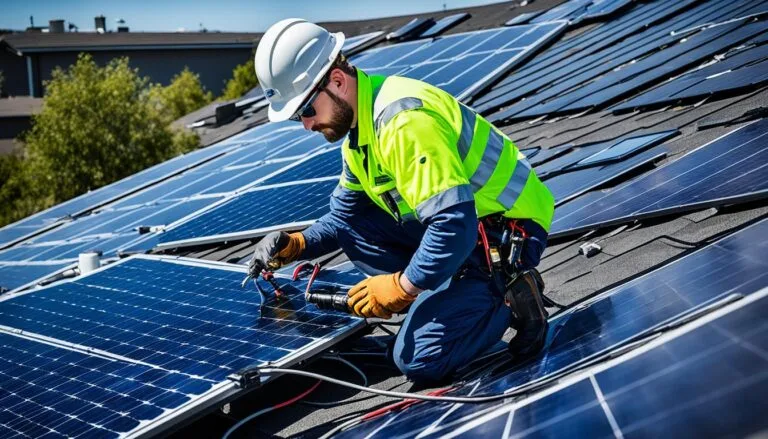
As more homeowners choose rooftop solar panels, understanding the solar installation process helps you hire the right contractor and avoid surprises. This section explains how to evaluate installers, what happens during a typical installation, and practical items to compare across quotes.
Choosing the Right Installer for Your Solar Setup
Picking a quality installer is one of the most important parts of a successful installation. When vetting companies, look for:
- Verified credentials: Confirm business licenses, NABCEP or equivalent certifications, and local contractor registration.
- Insurance and warranties: Verify general liability, worker’s comp, and clear product/performance warranties (panel and inverter coverage).
- Customer feedback: Read reviews and ask for local references to confirm past installations.
- Transparent quotes: Get line-item bids showing equipment, labor, permit fees, interconnection costs, and expected production.
Navigating the Installation Process
The solar installation process typically follows these steps; timelines vary by permit and utility interconnection:
- Initial assessment: Site visit or remote analysis to determine roof condition, shading, and optimal panel placement and system size.
- Design and planning: Engineer the system layout, select panel type (mono vs poly), choose inverter solution, and produce electrical diagrams.
- Permits and documentation: Installer pulls local permits and submits interconnection applications to the utility.
- Installation: Mounting rails, attach panels, wire the array, and install the inverter and monitoring hardware.
- Inspection and activation: Local inspector and utility approve the system; then the installer flips the switch and the system begins producing electricity.
Typical timelines range from a few weeks (simple permits and fast utilities) to a few months when permitting or roof repairs are required—ask your installer for a schedule and contingency plan.
| System Size (kW)Cost Before Incentives ($)Annual Savings ($) | ||
| 4 | ~13,000 | ~1,200 |
| 6 | ~17,700 | ~1,500 |
| 8 | ~22,800 | ~2,000 |
| 10 | ~27,500 | ~2,500 |
| 12 | ~33,000 | ~3,000 |
Note: the table shows illustrative national pre-incentive costs and savings. Actual pricing depends on roof type (complex or steep roofs increase labor), panel choice, local permit fees, and required electrical upgrades.
Quick checklist to compare installer quotes:
- Equipment brand and model, plus datasheets
- Inverter type (string, microinverter, or optimizer) and warranty
- Production guarantee or performance estimates
- Permit, inspection, and interconnection support included?
- Maintenance, service response time, and monitoring options
Final tip: get at least three detailed quotes, confirm license numbers and insurance, and request projected annual kWh production and expected payback in years. That comparison will help you choose the best value and reduce risk during your solar panel installation.
Residential Solar Power for Urban and Rural Areas
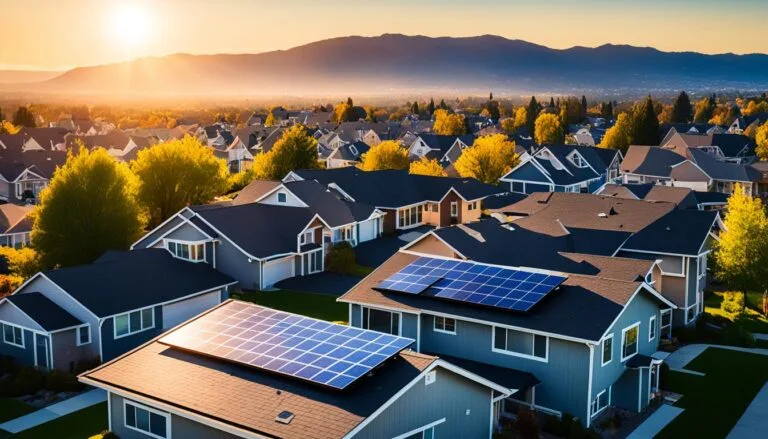
The use of solar energy in urban areas and rural solar power solutions enables more homeowners and businesses to shift to clean electricity. Rising utility costs in many regions have increased interest in solar power as a cost-saving option, and wide availability of sunlight across much of the U.S. makes accessibility of home solar systems achievable for many properties.
Site constraints and available space shape the optimal approach: in urban settings, rooftop systems are most common; in rural settings, ground-mounted arrays and larger battery banks are more feasible. System selection should match local conditions and your household energy needs.
- Grid-connected systems: Most urban homes use grid-connected installations that export excess generation in exchange for credits (net metering). These systems reduce utility purchases while remaining tied to the grid.
- Off-grid systems: In remote rural areas without reliable grid access, off-grid systems paired with larger battery storage provide full energy independence but require bigger arrays and higher upfront investment to meet all loads.
- Hybrid systems: Combine grid connection with battery storage to maximize resilience—export when possible and draw from batteries during outages.
Practical considerations by setting:
- Urban rooftops: evaluate roof orientation, tilt, shading from trees or neighboring buildings, and roof condition—sometimes a partial system or a higher-efficiency panel is best when space is limited.
- Rural properties: ground-mounted arrays allow optimal tilt and orientation and make it easier to scale up capacity for larger energy demands or full off-grid operation.
- Costs: off-grid systems typically cost more because they need additional panels and storage sized to cover nights and cloudy days; grid-tied designs can be smaller because the grid provides balancing.
Community programs and group-purchase initiatives (for example, local solar group buys) can lower costs for both urban and rural residents—check local offerings for aggregated purchasing discounts. Whether you live in a city or the countryside, evaluate site-specific factors with a certified installer to identify the best home solar configuration and expected production.
Solar Power for Houses: Maintenance and Upkeep
Keeping a home solar system in top shape is essential for long life and steady performance. Regular upkeep preserves home solar system efficiency, prevents costly repairs, and ensures you get the expected energy production from your solar panels.
Routine care is straightforward: dust, leaves, bird droppings, and pollen can reduce output, so periodic cleaning helps. In many climates cleaning panels a few times a year is sufficient; in dusty or high-pollen areas you may need more frequent attention.
Practical upkeep tips:
- Visually inspect panels twice a year for dirt, debris, cracks, or discoloration.
- Keep nearby trees trimmed to avoid shading and falling debris.
- Use monitoring dashboards to track production and spot drops in output—check for sudden dips that may indicate wiring or inverter issues.
- Hire professionals for roof-level cleaning or if panels are hard to reach; avoid harsh scrubbing or aggressive chemicals—soft water and a squeegee or low-pressure rinse are usually best.
Warranty guidance: most modern solar panels come with long performance warranties (commonly around 25 years for power output), while inverters often have shorter warranties (typically 10–15 years unless extended). Warranties commonly cover manufacturing defects and performance guarantees but do not cover routine cleaning—keep your maintenance records to support any warranty claims.
Other simple checks: confirm mounting hardware is secure, look for corrosion on connectors, and schedule a professional electrical inspection every few years or if the monitoring indicates underperformance. These low-effort steps help your system deliver reliable clean energy for many years after installation.
Conclusion
The shift to sustainable home energy is well underway: more homeowners are choosing solar power to lower utility bills, increase resilience, and reduce household carbon emissions. Rooftop solar panels turn a home into a local clean-energy source that supports both environmental goals and long-term household finances.
Quantifying impact depends on location and system size, but reputable research shows substantial emissions reductions and measurable financial upside for many homeowners. For example, a typical residential system can avoid multiple metric tons of CO2 each year (the exact figure varies with local grid carbon intensity) and often pays back over a multi-year horizon depending on incentives and electricity prices.
On the financial side, the upfront cost of a quality solar installation is an investment that frequently delivers multi-decade returns through lower bills, increased home value, and available tax incentives. Expected payback periods commonly range across several years to a decade depending on local conditions, financing choices, and incentives—request local quotes for accurate projections.
Choose reputable equipment and confirm warranties (panel performance warranties commonly extend ~25 years, inverters and balance-of-system components often have shorter coverage). Proper sizing and installation affect both performance and long-term value, so consult certified installers and request production estimates tied to your home’s historical electricity use.
Next steps: check your home’s rooftop or ground size and sunlight availability, compare multiple installer quotes, and verify current federal and state incentives (see DSIRE for up-to-date listings). A local estimate will show expected annual savings, payback timeline, and whether adding storage makes sense for your goals of energy independence and resilience.
FAQ
What are the eco-friendly benefits of residential solar power?
How does residential solar energy conversion work?
What are the main components of a home solar system?
How much can I save on electricity bills with solar panels?
What incentives and credits are available?
Can home solar panels contribute to energy independence?
What does solar panel maintenance involve?
How do I get started?