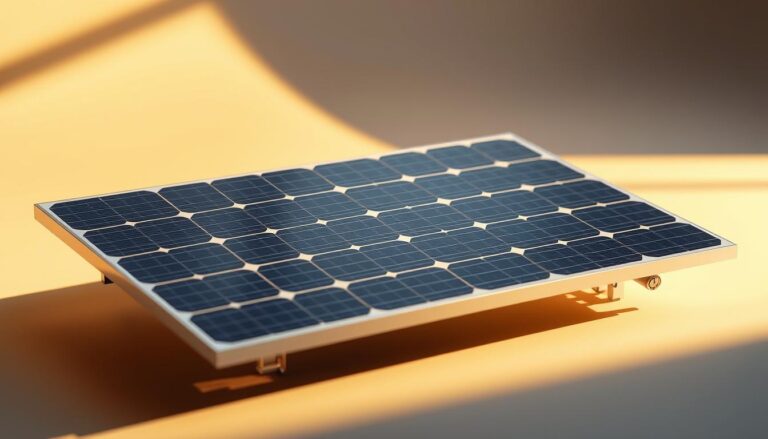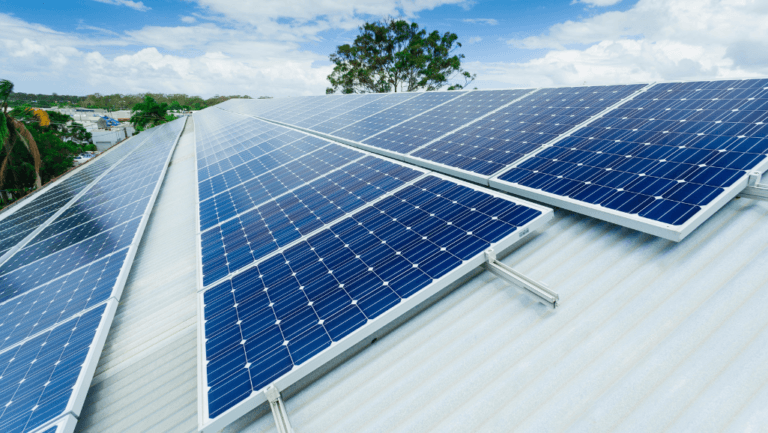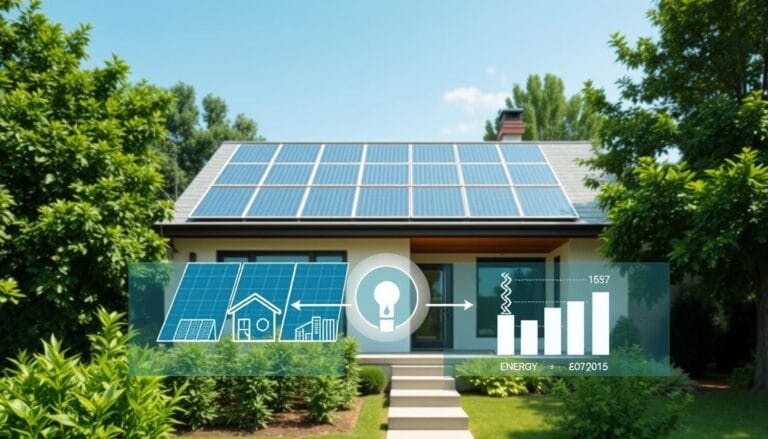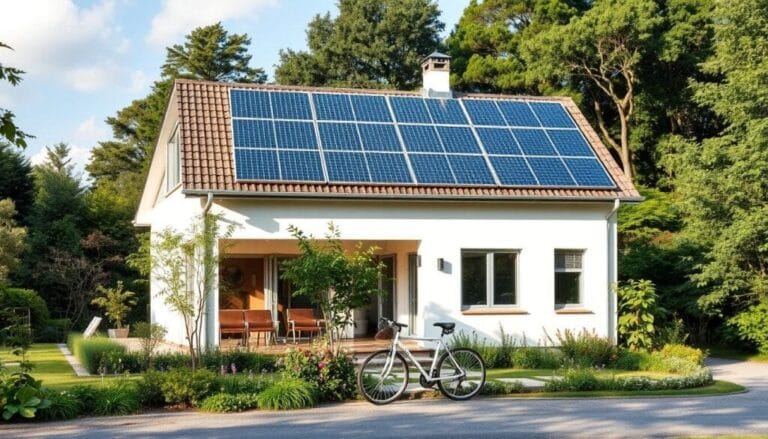
The search for clean power has led us to harness the sun’s light and heat — the foundation of modern solar energy production. Using focused sunlight was practised as far back as the 7th century B.C., and the science that began with those simple experiments has evolved into the technologies we use today.
Modern solar panels typically come with performance warranties around 25 years and often continue producing useful electricity beyond that period; their lifecycle carbon footprint is much lower than fossil fuels. Advances in materials, recycling programs, and manufacturing efficiencies continue to improve the environmental profile of solar technologies.
From powering homes and businesses to supplying electricity for satellites and remote devices, solar energy is a versatile renewable energy source. In this article we explain how solar energy is produced, compare the main systems, and look at real-world impacts and opportunities for adopting solar power.
Key Takeaways
- Solar energy is a major renewable energy source: it’s effectively endless and produces far less pollution than fossil fuels.
- Modern solar panels are durable, with typical performance warranties around 25 years, and manufacturing improvements reduce their lifecycle impact.
- The invention and development of photovoltaic technology made it possible to convert sunlight into usable electricity, transforming how we generate energy.
- Solar energy production typically falls into two categories: photovoltaic (PV) systems that generate electricity and solar thermal systems that produce heat for hot water or process heat.
- Solar systems can produce power in cloudy conditions (output varies by cloud cover), and pairing panels with energy storage improves reliability.
- Countries such as China and the United States lead in installed capacity and deployment of solar power, driven by manufacturing scale and policy support.
- Integrating solar into the electrical grid shows the technology’s flexibility and supports ongoing modernization of energy systems.
Understanding Clean Energy: The Basics of Solar Power
Solar power is a cornerstone of green energy. It converts the sun’s light and heat into usable electricity with minimal emissions, making it a leading form of renewable energy. At the core are photovoltaic (PV) cells, which directly turn incoming sunlight into electrical current through the photovoltaic effect.
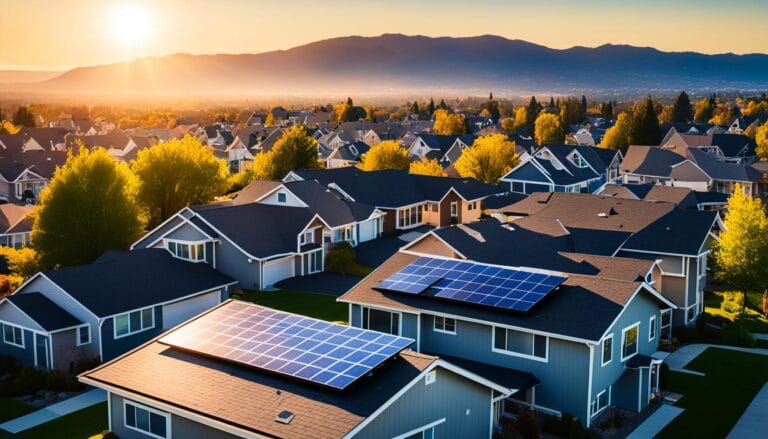
In the United States, solar deployment has scaled rapidly — utility, commercial, and rooftop systems together provide a substantial and growing share of grid capacity (figures vary by year; cite agencies such as EIA or SEIA for the latest GW totals). Typical residential solar panels arrays range from about 5 kW to 20 kW depending on house size, roof area, and household energy use; larger commercial and utility projects contribute much larger capacity to the national power grid.
Deployment growth has been driven by falling costs, policy incentives, and expanding storage options that hold daytime generation for evening use. While growth rates differ year to year, combined improvements in solar technology, manufacturing scale, and battery systems continue to expand market adoption across homes and businesses.
Beyond electricity, concentrated solar technologies use mirrors or lenses to focus sunlight and produce high-temperature heat for industrial processes or hot water — demonstrating that solar energy can meet diverse needs from residential home systems to large-scale power production. Practical tools like regional solar maps (for example, state or municipal solar maps) help homeowners and planners estimate local solar production and decide whether to add panels, batteries, or combined systems.
The Historical Evolution of Solar Energy Technology
The history of solar energy traces a line from simple uses of sunlight to sophisticated solar power systems that now contribute to global electricity supply. Key scientific discoveries and material advances transformed early experiments into the modern solar technologies used in homes, industry, and even space applications.
The Early Use of Solar Power in History

People have long used the sun’s energy in practical ways — for example, focusing sunlight with magnifying lenses to start fires (records cite examples from ancient civilizations). The ancient Greeks and Romans also used mirrors to redirect sunlight for ceremonial lighting. These early demonstrations of concentrating sunlight laid conceptual groundwork for later technical developments.
The Invention of Photovoltaic Cells
In 1839, French physicist Edmond Becquerel observed the photovoltaic effect while experimenting with electrodes in a conductive solution — the first documented step toward converting light into electric current. This discovery set the stage for later work on photovoltaic cells that directly convert sunlight into electricity.
Modern Developments in Solar Energy
The 20th century brought practical silicon-based solar cells; Bell Labs produced the first widely cited silicon solar cell in 1954, enabling reliable electrical power from sunlight. Since then, improvements in materials and manufacturing scale have expanded solar power from niche applications to utility-scale plants and satellite power systems.
| YearMilestoneSolar Output / Note | ||
| 1982 | First 1 MW solar park by ARCO Solar | 1 MW |
| 1984 | Carrizo Plain installation | ≈5.2 MW (regional project) |
| 2001 | Solar-powered aircraft altitude achievements | Demonstrations of solar in aviation/record attempts |
| 2010 | Solar panels reinstalled at the White House | Symbolic and practical demonstration |
| 2016 | Record solar cell efficiencies reported | High-efficiency research cells (varies by technology) |
| 2020 | U.S. solar sector employment growth | Industry employed hundreds of thousands (source-dependent) |
From early experiments to contemporary solar systems, the evolution of solar technology has relied on advances in materials and engineering. Continued progress in cell efficiency, manufacturing, and system integration helps expand the role of solar energy worldwide and supports more sustainable energy systems for the future.
Solar Energy How is it produced through Innovative Technology
Advances in materials and manufacturing have transformed how we turn the sun’s rays into useful electricity. Improvements in photovoltaic cells and module design, along with supporting systems such as inverters and energy storage, are central to modern solar energy technologies.
The Role of Photovoltaic Cells in Solar Panels
Photovoltaic (PV) cells—most commonly silicon-based—absorb incoming sunlight and free electrons inside the material. Those moving electrons create a DC current that can be captured as electrical power. Modern cell designs and new materials (including tandem and perovskite approaches) boost how much of the sun’s energy a cell can convert.
Converting Sunlight to Electricity: The Process
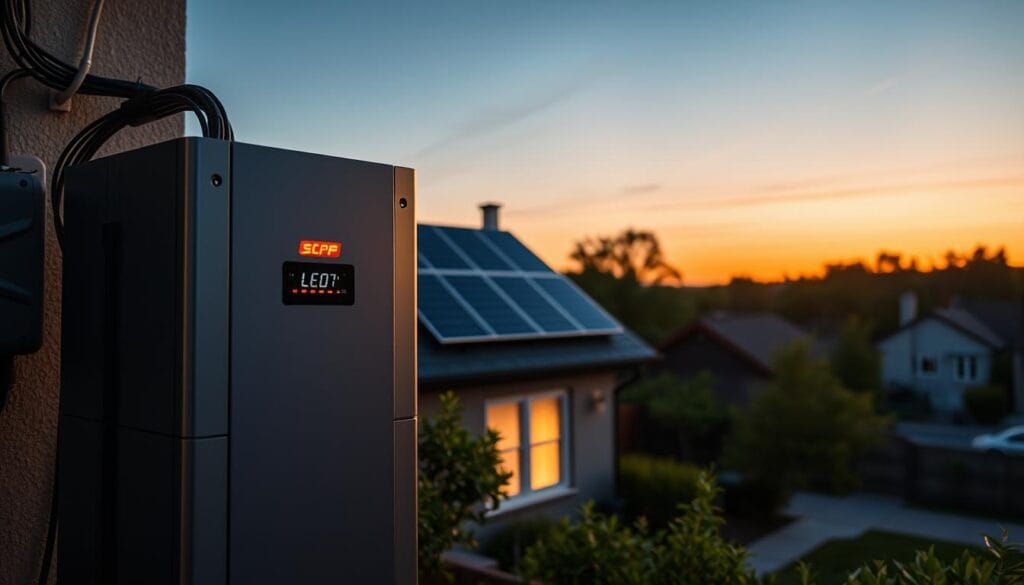
The conversion process follows a few clear steps: solar panels capture sunlight and produce DC electricity; an inverter converts DC to AC (the form used by most homes and the grid); if present, a battery storage system stores excess generation for use later. Grid-tied inverters also synchronize voltage and frequency so the generated AC can feed the wider electrical network.
Global deployment has scaled rapidly: by the end of 2020, installed solar capacity reached roughly 710 GW worldwide, with new additions on the order of ~125 GW that year (sources: IEA/IRENA/industry reports — cite current data when publishing). Over the last decade, module prices fell dramatically (commonly reported declines around 90%+ for module prices between 2010 and 2020), which helped make solar panels more affordable and accelerated adoption.
| YearTotal Installed Capacity (GW)New Capacity Added (GW)Module Cost Reduction | |||
| 2010 | 85 | Data Not Available | 0% |
| 2020 | 710 | 125 | ~93% (module price) |
When explaining these numbers in a published piece, link to the original IEA/IRENA/SEIA datasets and clarify whether figures refer to capacity (GW) or annual generation (TWh). In practical terms, a typical 5 kW residential PV array produces roughly 4,500–7,000 kWh per year in many U.S. locations (actual output depends on location, panel orientation, and shading). Using an inverter and a modest battery, the DC output becomes usable AC and can be stored for evening use or exported to the grid.
Public agencies, research centers, and industry programs (for example, U.S. Department of Energy initiatives) fund innovations to reduce cost and increase reliability. As module materials, system integration, and storage technologies continue to improve, the process of converting sunlight into reliable electricity becomes more efficient and cost-effective for homes, businesses, and utility-scale projects.
Comparing Solar PV and Solar Thermal Panels
When considering sustainable energy options for your home or business, it helps to understand the practical differences between solar PV panels (which generate electricity) and solar thermal panels (which capture heat). Both harness the sun, but they serve different needs and deliver value in different ways.
Explore more technical comparisons in this external guide: solar photovoltaic vs solar thermal systems.
Electricity Generation with Solar PV Panels
Solar PV panels convert sunlight directly into electricity using silicon-based or emerging cell technologies. A typical residential PV array size spans roughly 5–10 kW (larger homes or high-use households may install 10–20 kW). Depending on system size, location, and usage patterns, a PV system can supply a substantial portion of a household’s annual energy demand (estimates vary regionally — see local calculators for precise figures). Modern PV modules commonly carry performance warranties for ~25–30 years.
Heat Generation Using Solar Thermal Technology
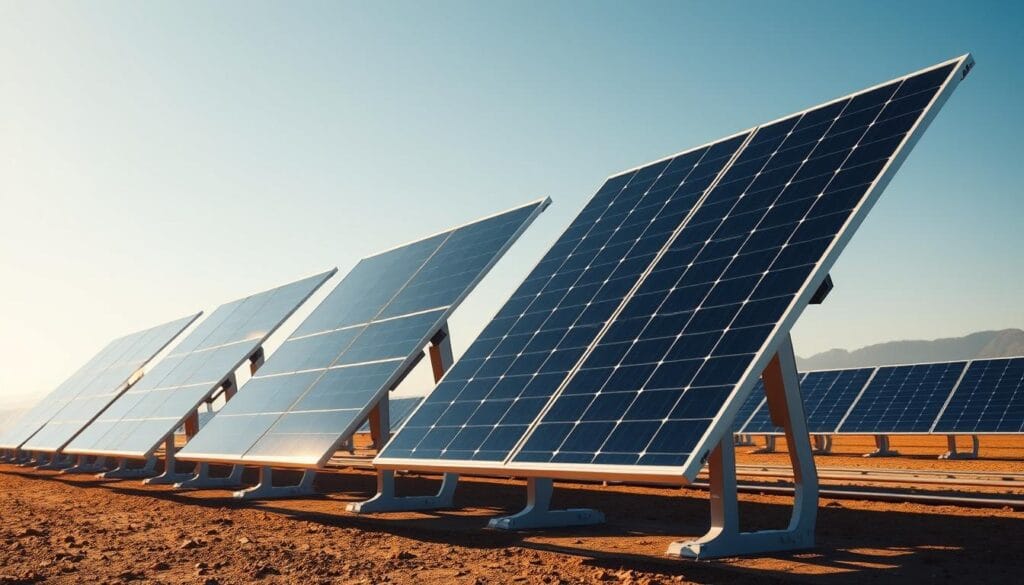
Solar thermal panels collect solar heat and transfer it to a fluid for applications such as domestic hot water and space heating. Because they capture thermal energy directly, thermal systems can achieve high collection efficiency for heat delivery (effective seasonal performance depends on design and climate). They are often more cost-effective for water heating than PV-plus-electric-water-heater setups, especially in sunny climates and when sized correctly for hot-water demand.
| SpecificationSolar PV PanelsSolar Thermal Panels | ||
| Average Lifespan | ~25–30 years (warranty-backed) | ~20–25 years (system-dependent) |
| Typical Use | Generate electricity for appliances, lighting, and grid export | Heat water or provide space heating, process heat |
| Efficiency / Performance | Module conversion efficiency varies (15–23% typical for mass-market silicon; higher for advanced cells) | High heat collection efficiency for direct thermal use; seasonal yield varies by climate |
| Installation Cost (example) | Costs vary by country — provide local quotes; convert currency for audience | Costs vary by system type and region; often competitive for hot-water applications |
| Best Fit | Homes needing electricity, especially where appliances and HVAC drive demand | Homes or facilities with consistent hot water needs or process-heat requirements |
Notes and guidance: avoid blanket percentage claims (like “covers 60% of a home’s needs”) without regional context — actual coverage depends on house size, energy consumption, system capacity, and local solar resource. Also, the cost ranges in the original text were shown in GBP; for an American-English audience convert those to USD or display both currencies and date-stamp the pricing data.
Practical example: in a temperate U.S. location, a 6 kW PV system often produces roughly 7,000–9,000 kWh/year in high-sun regions and less in cloudy regions — use local production calculators to estimate realistic coverage. For hot-water-focused applications, a compact solar thermal system sized to household demand can cut conventional water-heating fuel use significantly, particularly during warmer months.
For homeowners considering DIY or combined solutions, consult the DIY solar guide and request multiple local quotes to compare lifecycle costs, expected annual energy or heat production, and incentives available in your area.
Large-Scale Solar Energy Production: Solar Farms
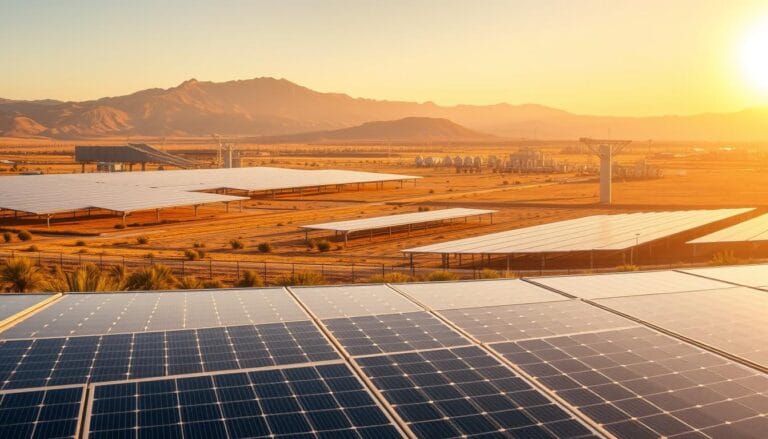
Solar farms are central to the global shift toward renewable energy. These utility-scale installations cover large areas with arrays of solar panels and typically feed electricity directly into the grid, supplying homes, businesses, and industry at scale.
Capacity and development numbers change rapidly, but utility-scale solar now represents tens of gigawatts in many countries. For example, the United States reports tens of thousands of MW in operating projects and substantially more MW in development (check current federal and industry databases for the latest figures). These expanding solar farms demonstrate how large projects drive solar energy deployment and help decarbonize power systems.
Notable large projects show the scale and potential of this approach. Morocco’s Noor Complex (several phases totalling hundreds of MW) is among the world’s largest solar power plants and supplies electricity to a broad population base — metrics like “people powered” are estimates that depend on assumptions about average household consumption and capacity factor.
Solar farms are usually designed as long-term assets: project lifetimes are often planned for 20–35 years, with panels commonly rated to produce electricity reliably for 25+ years. For instance, community-scale projects such as Nexamp’s Newfield site (7.5 MW) report annual outputs (millions of kWh) and associated carbon-emissions reductions based on modeled generation and regional grid emission factors — verify project reports for precise numbers and assumptions.
Large solar parks can aggregate into national-scale capacity that, together with storage and grid upgrades, can power millions of homes. Aggregate claims (for example, “can power 15.7 million homes”) require clear sourcing and a stated methodology (e.g., assumed kWh per household and capacity factors). Smaller, distributed farms also provide local benefits like improved reliability, local jobs, and direct community investment.
| Project TypeCapacityProjected OutputHomes Powered Annually | |||
| Oberon Solar Power Facility | 180 MW | Varies annually (depends on capacity factor) | Approx. 30,000 (estimate — see project data) |
| Nexamp Newfield Solar Farm | 7.5 MW | ~9 million kWh (projected) | Proportionate to output (see developer report) |
| Noor Complex | ~580 MW (multi-phase) | High due to scale (thermal + PV phases) | Over 1 million (projected beneficiaries — depends on calculation) |
How these numbers are derived: capacity (MW) measures peak DC or AC nameplate output; annual energy (MWh or kWh) depends on site solar resource and capacity factor; “homes powered” typically divides annual generation by an assumed household annual consumption. In a final article, include source links to regional energy authorities, developer reports, or databases (e.g., EIA, IRENA, developer filings) and, where possible, an interactive map to let readers explore projects by scale and location.
Exploring Solar Power Capabilities on Cloudy Days
Modern solar power systems are far more capable in low-light conditions than many people assume. Panels capture both direct sunlight and diffuse sky radiation, so they continue producing electricity even when clouds block the sun—though output will be lower than on a clear day.
Cloud cover affects irradiance (the sunlight energy reaching the panel) in different ways: light cloud reduces production slightly, heavy cloud cuts output substantially, and overcast skies give the lowest daylong irradiance. Typical on-site observations and studies often show production dropping to a fraction of sunny-day output; depending on cloud thickness and panel type, a system might produce roughly 10%–25% of its peak output under heavy overcast, while light cloud might reduce output by a much smaller percentage. Cite local irradiance data for precise estimates.
Solar Panel Efficiency in Different Weather Conditions
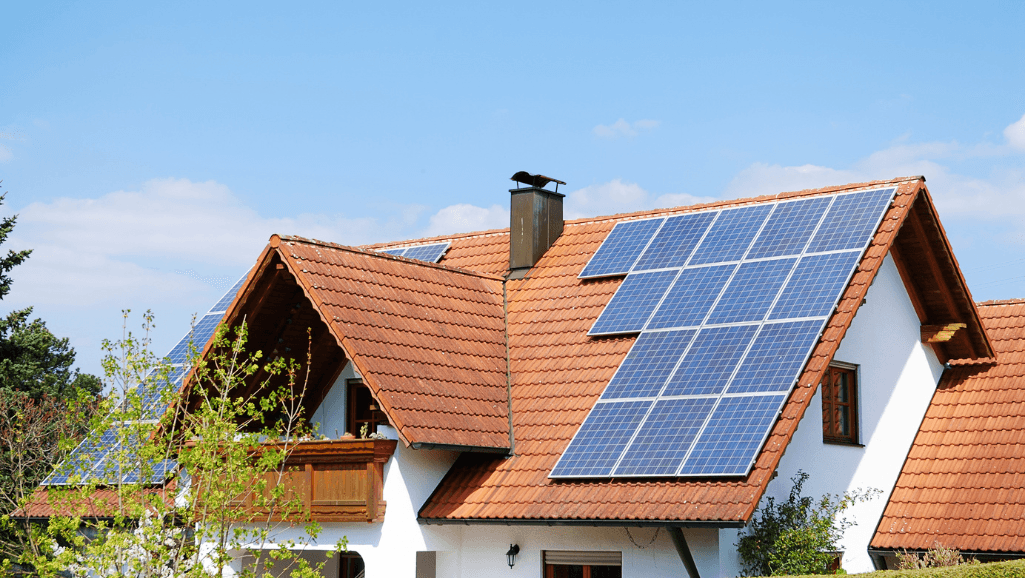
Two important concepts to understand are direct vs. diffuse sunlight and capacity factor. Direct sunlight is the strong beam from the sun; diffuse light is sunlight scattered by the atmosphere or clouds. Some modern panels and cell technologies maintain relatively better low-light performance by converting a broader spectrum of light. Rain and snowmelt can also improve short-term performance by cleaning panels, and robust modules are engineered to withstand hail and other weather stresses.
Energy storage systems make a major difference for cloudy regions: batteries store excess daytime generation for use during cloudy periods or night, smoothing household and grid demand. For homeowners, pairing panels with storage reduces reliance on the grid and improves self-consumption of generated electricity.
Emerging technologies—such as tandem and perovskite-based cells—promise improved performance in low-light conditions and potentially higher overall module efficiencies, although commercialization timelines vary. When reviewing these claims, check independent test data and certification reports.
Practical homeowner tip: use a local solar estimator (many utility or state websites offer ZIP-code-based calculators) to see expected daily kWh in your area under typical cloud conditions, and size battery storage to cover the gap you expect during cloudy stretches.
In short, solar panels still work in cloudy weather, but expected output depends on cloud type, panel technology, and system design. Combining panels with appropriate storage and using regional production estimates will give the most reliable guidance for real-world performance.
The Global Landscape of Solar Energy Production
Solar energy is reshaping national energy mixes around the world, reducing reliance on fossil fuels and accelerating the transition to renewable energy. National strategies, manufacturing capacity, and policy incentives drive how widely solar systems are adopted and integrated into electricity grids.
Leading Countries in Solar Energy Generation
Major deployers include China, the United States, Japan, Germany, and India—each leading in different ways. China dominates manufacturing and cumulative installed capacity; the U.S. adds large utility and distributed installations driven by state-level policies; Germany and Japan have high rooftop penetration and favorable feed-in frameworks; and India’s growth is driven by auctions and large-scale projects. For regional variation and localized potential, consult authoritative sources such as IEA, IRENA, or national energy agencies (see the EIA link for regional context).
International Solar Energy Production Statistics
Global installed capacity has expanded rapidly; below are headline capacity figures (capacity = GW nameplate) that should be cited with the year and source when publishing updated content:
| CountryInstallations (GW, approximate)Share of Electricity (%) — note basis | ||
| China | ~250+ GW | ~30% (depends on year and whether % refers to electricity generation or capacity) |
| United States | ~100+ GW | ~20% |
| Germany | ~60 GW | ~10% |
| India | ~50 GW | ~8% |
| Japan | ~70 GW | ~15% |
Important: these numbers reflect installed capacity (GW) and approximate national shares; always cite the dataset year (for example, IRENA or IEA annual reports). Differences in reported percentages often stem from whether the metric is share of electricity generation, share of capacity, or share of total primary energy — clarify which is used in any published figure.
Growth drivers vary by country: China’s large-scale manufacturing and deployment programs, U.S. state incentives and corporate procurement, Germany’s policy support for distributed PV, India’s auction-driven large projects, and Japan’s post-Fukushima renewable push. Together, these efforts scale up solar energy deployment and contribute measurable reductions in carbon emissions by replacing electricity that would otherwise come from fossil fuels.
When publishing this section, include year-stamped citations for each country figure and, where possible, add a link to an interactive dataset or map so readers can explore the latest installed capacity and regional scale of solar installations.
Integrating Solar Energy into the Modern Electrical Grid
Adding solar energy to electrical grids is a central part of the transition to sustainable energy. Effective integration requires addressing the variability of solar generation, deploying advanced inverter technologies, and coordinating distributed resources so the broader energy system remains stable and reliable.
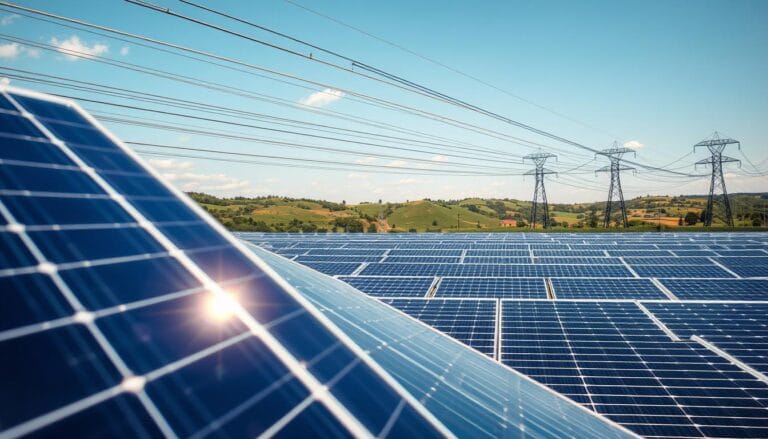
How a typical grid-tied solar system works in practice: rooftop or utility solar arrays generate DC electricity using PV cells; an inverter converts that DC to AC and synchronizes voltage and frequency with the local grid; a meter or advanced energy-management system handles export and import; and, if present, an on-site battery storage system stores excess generation for later use. This flow (PV → inverter → meter/net-metering → storage → grid) is the practical backbone for most installations.
| AspectRole in Grid Integration | |
| Inverters (including grid-forming) | Convert DC to AC, synchronize with grid, and advanced models can actively support voltage and frequency to stabilize the grid |
| Energy Storage Systems | Store surplus solar generation for use during low-production periods (clouds or night) and provide services like peak shaving and backup power |
| Grid Services & DERs | Distributed energy resources (DERs) like rooftop arrays contribute to supply-demand balance, provide reactive power, and reduce load on central generators when coordinated |
Inverters & Grid-Forming Functionality
Modern, grid-forming inverters do more than flip DC to AC. They can emulate generator behavior by controlling voltage and frequency, enabling higher penetration of variable resources without sacrificing grid stability. Utilities increasingly require advanced inverter features to allow safe and scalable interconnection of many distributed systems.
Storage, Markets, and Policy
Energy storage is critical for smoothing solar variability and improving the value of on-site generation. Market mechanisms such as net metering, feed-in tariffs, and time-of-use rates help determine the economics for solar owners — they affect when owners export power, when they draw from the grid, and how batteries are cycled. Net metering and policy specifics vary by state and country; link to local utility rules and incentives when advising homeowners or businesses.
Distributed Resources & Grid Benefits
Distributed solar and small-scale solar farms add resilience by reducing transmission losses and diversifying supply. Properly managed, distributed resources can defer transmission upgrades, provide local capacity during peak demand, and create community economic benefits (jobs, land lease income, tax revenue).
Projections about the grid’s future should be used with caution: statements like “By 2030, about 80% of electricity might go through systems that use solar and other renewables” must be sourced and clarified (e.g., whether they refer to generation mix, capacity, or grid-connected systems). Cite authoritative forecasts (IEA, NREL, regional system operators) and clearly define the metric and timeframe used.
In summary, integrating solar energy into modern electrical networks is both a technical and policy challenge. Continued advances in inverter technology, broad deployment of energy storage, and coordinated market and regulatory frameworks are required to scale solar while keeping the grid resilient, secure, and affordable. For practical next steps, homeowners should consult local interconnection rules, check available incentives, and evaluate combined PV-plus-storage options with qualified installers.
Conclusion
The development of solar energy demonstrates how innovation and policy have made the sun a practical and growing energy source. While headlines sometimes simplify the math (for example, statements like “the sun’s power could meet global energy needs for a year in one hour” are based on large-scale theoretical energy flux comparisons and should be cited and explained), the core takeaway is clear: properly deployed solar systems can supply substantial clean electricity and heat at scale.
Costs for solar panels and balance-of-system components have fallen dramatically over the past decade, and efficiency gains in technology continue to improve the value proposition. Challenges remain — variability, land use, supply-chain materials, and lifecycle impacts — but advances in energy storage, recycling, and system integration are addressing many of these concerns.
Public incentives such as tax credits and rebates (varies by country and region) have accelerated adoption and made it easier for homeowners and businesses to invest in rooftop and utility systems. Transitioning more of our power supply to renewable energy sources like solar energy reduces fossil-fuel use, lowers carbon emissions, and supports broader energy-system resilience when combined with storage and grid upgrades.
What you can do next: evaluate your site’s solar potential with a local estimator, request multiple quotes from certified installers, check available incentives, and consider pairing panels with battery storage if you want greater independence from the grid or improved resilience during outages.
The sunlight reaching Earth (including visible light and infrared) is a vast natural resource; scaling practical solar energy systems—PV for electricity, CSP or thermal for heat and hot water—will be an important part of creating a cleaner, more sustainable global energy system.
FAQ
How is solar energy produced?
What are photovoltaic cells?
What is the difference between solar PV and solar thermal panels?
Can solar panels generate power on cloudy days?
Who are the leading countries in solar energy generation?
How are solar energy systems integrated into the modern electrical grid?
What is a solar farm?
How has solar energy technology evolved historically?
What is the environmental impact of solar energy?