...

Solar Panels Generating Power on Cloudy Days: Efficiency and Performance

Solar energy is key to renewable energy, but many ask how it works on cloudy days. The effect of clouds on solar panel efficiency is a big question for those thinking about solar power. But, new solar tech has made it better in all kinds of weather.

Many think solar panels don’t work on cloudy days, but they do. They might not work as well, but they’re made to catch both direct and scattered sunlight. So, even when clouds block the sun, solar panels still make some power, just not as much.

On cloudy days, solar panels usually work between 10% to 25% of their top capacity. If it’s partly cloudy, they can work up to 50-80%. The thickness and type of clouds, plus where you are, affect how much power they make. Some top-notch panels work great in low light, perfect for places with lots of clouds.

Key Takeaways

  • Solar panels can generate electricity on cloudy days, with efficiency ranging from 10-25% of peak capacity
  • Partly cloudy conditions can allow for 50-80% efficiency
  • High-efficiency panels perform better in low-light situations
  • Cloud thickness, type, and location affect solar panel performance
  • Modern solar technology optimizes energy production in various weather conditions

Understanding Solar Panel Technology

Solar panel technology has changed the game for renewable energy, making it easy for homeowners to use. At the heart of this tech are photovoltaic cells. These cells turn sunlight into electricity, helping us power our homes and cut down on traditional energy use.

Photovoltaic Cells and Their Function

Photovoltaic cells are key to solar energy. They’re made from silicon and catch sunlight to create an electric field. This starts the process of making electricity for our homes.

Types of Solar Panels

There are many solar panel types out there. Monocrystalline, polycrystalline, and thin-film panels are the most common. Each type has its own strengths and weaknesses, like efficiency and cost. For example, monocrystalline panels are super efficient but are pricier.

How Solar Panels Convert Sunlight to Electricity

Turning sunlight into electricity is pretty cool. When sunlight hits photovoltaic cells, it frees up electrons. This creates electricity. An inverter then changes this electricity into the kind we use at home.

This tech has gotten better over time. Now, a typical home solar system has 20 to 25 panels to meet energy needs all year.

Panel TypeEfficiencyCost
MonocrystallineHighHigh
PolycrystallineMediumMedium
Thin-filmLowLow

The Impact of Weather on Solar Energy Production

Weather is key to how well solar power works. The sun’s rays affect solar panels, changing how much energy they make. Knowing how weather changes affects solar energy is important for better performance.

Clouds play a big part in how much sun reaches the earth. On cloudy days, solar panels make 10% to 30% of what they can on sunny days. Even with less sunlight, solar panels can still make electricity using scattered light. Germany shows that solar power works well even with lots of clouds.

Temperature also changes how well solar panels work. They do best in cool, sunny weather. But, too much heat can lower their output. The time of year changes how much energy they make because of the sun’s position and daylight hours.

Weather ConditionImpact on Solar Production
Cloudy10-30% of capacity
SnowyMinimal impact, potential increase with reflection
RainyReduced output, helps clean panels
WindyMinimal impact up to 50 mph winds

Adapting to climate changes is crucial for getting the most from solar energy. Keeping panels clean and checking them regularly helps them work better. New tech like REC Alpha Solar Panels with Heterojunction tech works well even in shady spots, helping overcome weather challenges.

Solar Panels Generating Power on Cloudy Days

Solar panels work even when it’s cloudy. They can make up to 80% of their usual energy on cloudy days. This shows how well modern solar tech works in cloudy weather.

Diffuse Light and Its Role

Diffuse sunlight is key for solar energy on cloudy days. When sunlight spreads out through clouds, solar panels can still catch it. This lets them keep making energy, even if it’s not as much as on sunny days.

Efficiency Rates During Overcast Conditions

How well solar panels work depends on how cloudy it is. On cloudy days, they usually make 10-25% of their usual power. This shows how cloudy weather affects solar energy. But, solar systems are still a good energy choice all year.

Factors Affecting Cloud Cover Performance

Several things affect how well solar panels work in the clouds:

  • Cloud density and type
  • Panel technology and efficiency
  • Geographic location
  • Seasonal variations

Cities like Seattle and Portland get a lot of cloud cover but still use solar power well. The long summer days and mild weather help with solar energy, even with the clouds.

Weather ConditionEnergy Production
Sunny100%
Partly Cloudy50-80%
Overcast10-25%

Maximizing Solar Output in Low-Light Conditions

Solar panels can work on cloudy days, but they don’t perform as well. They make 10-25% of the power they do on sunny days. To get better results, it’s important to optimize low-light solar panels. Factors like panel efficiency are key to making more energy on cloudy days.

High-efficiency panels, like SunPower® with over 22% efficiency, work better in cloudy weather. Monocrystalline silicon cells are top-notch for low-light conditions. These solar tech advances keep energy production up, even when the sun is weak.

Low-light solar panel optimization techniques

Putting panels in the right spot and keeping them clean can really help. Panels facing south get more sunlight all year, which is good for energy production. Rain can also be a plus by cleaning off dust and dirt, making panels work better.

Optimization TechniqueImpact on Efficiency
High-efficiency panelsUp to 22% efficiency
South-facing orientationMaximizes year-round sunlight exposure
Regular cleaningImproves overall performance
MicroinvertersMitigates shading effects

Using microinverters or power optimizers can lessen the effect of shade on cloudy days. These gadgets let each panel work on its own. This way, the whole system can produce as much power as possible.

Advancements in Solar Panel Technology for Cloudy Climates

Solar panel innovations have changed how we make energy in cloudy places. These new technologies help us produce power even when the sky is full of clouds. Let’s look at the latest technologies that make this possible.

High-Efficiency Panels

High-efficiency solar cells grab more energy when it’s not bright. They have special designs to get the most power. Even on very cloudy days, they can make 25-40% of their usual energy. This is perfect for places that often have clouds.

Light-Sensitive Cell Innovations

New technology lets panels catch a wider range of light. Multi-junction cells and perovskite materials lead this change. These new materials help solar panels work well even when the sun is hidden behind clouds, keeping efficiency at 50-80%.

Weather ConditionSolar Panel Efficiency
Clear, sunny days100%
Partial cloudiness50-80%
Heavy overcast10-25%

Backside Mirror Technology

Backside mirror panels use thin aluminum to bounce back light. This gives light another chance to hit the solar cells, boosting efficiency. Some panels also have textured surfaces to catch more light, making them work better in cloudy weather.

These new technologies make solar energy work better in different climates. Countries like Germany have greatly increased their solar power use even with lots of clouds. As technology gets better, we’ll see solar panels work even better in all kinds of weather.

Energy Storage Solutions for Consistent Power Supply

Solar battery storage has changed how we use solar energy. These solutions make sure we have power all the time, even when the sun is hidden. Thanks to new tech, people can now have power even when they’re not connected to the grid.
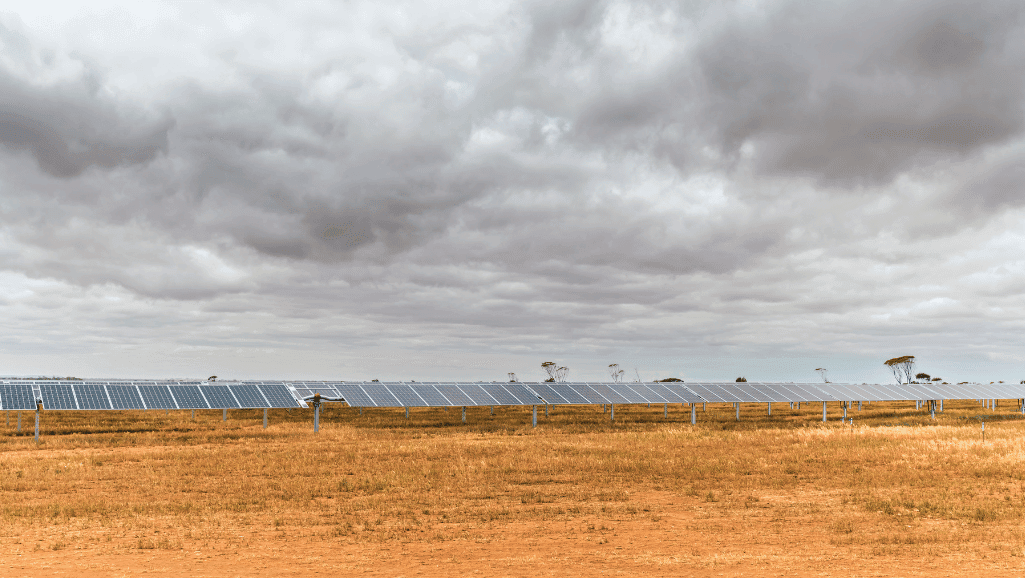
Solar battery storage system

Lithium-ion batteries are top choices for home solar setups. They pack a lot of energy and last a long time, perfect for those who want dependable power storage. If you’re watching your wallet, lead-acid batteries are cheaper but need more upkeep and don’t last as long.

But it’s not just homes that benefit from solar-plus-storage. Businesses and big energy users get a lot too. These systems lessen the effect of power cuts and make the grid more reliable. This means big savings for companies that use a lot of energy.

Battery TypeAdvantagesBest Use Case
Lithium-ionHigh energy density, long lifespanResidential solar systems
Lead-acidCost-effectiveBudget-friendly options
SaltwaterEnvironmentally friendlyEco-conscious consumers
Sodium-basedPotential economic alternativeFuture residential use

As research goes on and prices drop, solar and storage tech is getting cheaper for everyone. This shift is helping us move towards a future with steady power, not just when it’s available.

Net Metering and Grid Integration

Net metering and grid integration are key to making solar energy easier and more useful for homeowners. They help increase the value of solar setups and keep the grid stable.

How Net Metering Works

Net metering lets solar system owners send extra electricity back to the grid and get credits. When solar panels make more power than a home uses, the extra goes to the grid. Homeowners can use these credits to lower their bills when they use less energy.

Benefits for Homeowners

Grid-tied systems with net metering bring big benefits:

  • Lower electricity bills
  • Money from extra energy
  • More control over energy use
  • Helping the environment

The Solar Energy Industries Association says solar power could cut up to 100 million metric tons of CO2 by 2030. This shows its big environmental benefits.

Grid Stability and Solar Energy

Solar power helps make the grid more stable by adding energy from many places. Smart grid tech balances energy use with supply. As more homes get solar, utilities are creating new rules and rewards to help everyone.

Grid-tied systems give a steady power supply when solar energy is low. This teamwork between solar and the grid is vital for using more renewable energy and cutting down on fossil fuels.

Solar Performance in Various Weather Conditions

Solar energy efficiency changes with the weather. On sunny days, solar panels work at their best, producing up to 100% of their capacity. But what happens when the sky is cloudy?

Even on cloudy days, solar panels keep making electricity. They work at 10-30% of their top efficiency. This shows how tough solar technology is.

Solar Panels Generating Power on Cloudy Days 3

Rain can actually be good for solar panels. Light showers clean them, keeping them efficient. Scientists are now working on panels that use sunlight and rain to make electricity.

Temperature affects how well solar panels work. For every degree over 77°F, they lose 1% of their efficiency. Cooler temperatures usually mean better performance.

Weather ConditionSolar Panel EfficiencyNotes
Sunny100%Optimal conditions
Cloudy10-30%Still produces electricity
RainyVariesCan help clean panels
SnowyLow to NoneDepends on accumulation
Hot (Above 77°F)Decreases by 1% per degreeHigher temperatures reduce efficiency

Knowing how weather affects solar panels is key to making the most of them. With smart planning and technology, solar energy works well in many places.

Debunking Myths About Solar Panels and Cloudy Weather

Solar energy myths often make people doubt renewable energy’s reliability. Let’s set the record straight on how solar panels work on cloudy days. Despite what many think, solar panels can make electricity even when it’s not sunny. In fact, solar panels can still produce power well in foggy and rainy weather.

Cloudy weather doesn’t mean solar energy isn’t a good choice. Places like Rhode Island and New England get plenty of sunlight all year. This makes solar energy a solid option. Modern solar panels are made to catch even the scattered sunlight, making them work better in low light.

  • Solar panels only work on sunny days
  • Cold weather negatively impacts solar production
  • Rain hinders solar panel performance
  • Solar energy is unreliable

Cold weather can actually make solar panels work better. Rain also cleans the panels, keeping them efficient. Solar systems can be linked with batteries for power when the sun is hidden, ensuring a steady supply.

MythFact
Solar panels are ineffective in cloudy weatherPanels can generate up to 25% of their normal output on overcast days
Solar energy is unreliableSolar power has grown 24% annually over the last decade
Solar installations are costlyCosts have decreased significantly, with numerous incentives available

The reliability of solar energy is clear from its increasing use. Warren Township High School District 121 saved $2.5 million in rebates and incentives in five years with a 2.4 MW solar system. This shows the big economic and environmental benefits of solar in fighting climate change.

Conclusion

The solar energy future looks bright, even on cloudy days. Solar panels can make 10-25% of their usual power on overcast days. This shows they’re a reliable source of sustainable power for different climates.

Clouds might slow them down, but solar panels still work well using scattered light. Sometimes, the “Edge-of-Cloud Effect” even helps increase power on partly cloudy days. To get the most out of them, homeowners can add more panels, use microinverters, and install battery storage.

As technology gets better, solar panels work better in low light too. With lower costs and benefits like net metering, more people are turning to solar power. This leads to quick payback through energy savings and higher property values, making solar a wise choice for a green future.

FAQ

Can solar panels generate electricity on cloudy days?

Yes, solar panels can work on cloudy days, but not as well as on sunny days. They can still make electricity even when it’s overcast.

How do solar panels convert sunlight into electricity?

Solar panels have special cells that catch sunlight and turn it into electricity. This happens when sunlight hits the cells and makes electricity. Then, special devices change this electricity into what we use in our homes.

What factors affect solar energy production in different weather conditions?

Many things can change how much energy solar panels make. Clouds block some sunlight, so panels make less power. Rain can clean panels, making them work better over time. The temperature also matters, with cooler being better. The time of year changes how much daylight there is, which affects how much power panels make. Where you are on the planet affects how much sunlight you get.

What is the typical efficiency range of solar panels on cloudy days?

On cloudy days, solar panels can still make electricity, but not as much as on sunny days. They usually work at 10-25% of their full capacity. The type of clouds and how high you are affect how well they work.

How can I maximize solar output in low-light conditions?

To get the most power from solar panels in low light, use high-efficiency panels. Make sure they face the right direction and tilt. Using special devices can help if some parts of your panels are in the shade. Keeping panels clean and well-maintained helps too. Some panels have special coatings to catch more light, even when it’s dim.

What are some advancements in solar panel technology for cloudy climates?

New solar panels are better at making energy in low light. They use special materials and designs to catch more light. Some panels have mirrors on the back to bounce extra light back through the cell for more power.

How can energy storage solutions help with consistent power supply?

Energy storage, like solar batteries, keeps the power going on cloudy days and at night. They store extra energy made during sunny days for later use. This lets people live off the grid and have power even when the sun isn’t shining.

What is net metering and how does it benefit solar system owners?

Net metering lets solar system owners send extra electricity back to the power company. This lowers their bills during times when they’re not making as much power. It can even make money for homeowners who make more energy than they use.

How does weather affect solar panel performance?

The weather changes how well solar panels work. They work best on sunny days but still make some power on cloudy days. Rain can clean panels, keeping them efficient. Heavy clouds make less power, but snow can help panels work better. Hot weather can slow them down a bit, but cold weather is usually better.

What are some common myths about solar panels and cloudy weather?
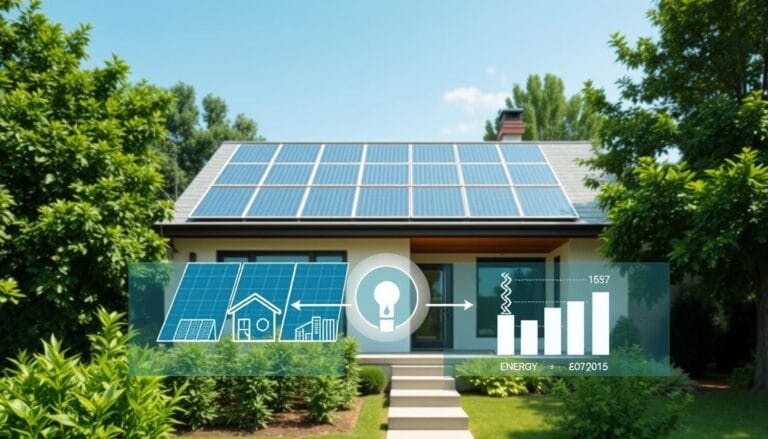
Some people think solar panels don’t work well in the cloud. But they actually do, just not as well as in the sun. Places like Germany use a lot of solar power, even when it’s cloudy. Cold weather can actually make solar panels more efficient. Rain is good for cleaning panels, keeping them working well.
energy solar
Harnessing Solar Energy: Transformation into Electricity
The quest to harness the sun’s energy has made solar panel electricity conversion practical and steadily more efficient. In fact, various energy studies estimate that roughly an hour or two of the sun’s energy reaching Earth could theoretically meet the world’s annual energy needs — a striking illustration of how abundant solar energy and the energy sun really are. Modern solar technologies, especially photovoltaic (PV) panels, turn sunlight into usable electrical power, letting homes, businesses, and industries tap a clean, renewable energy source. To appreciate this achievement, it helps to know what’s inside a typical solar panel and PV system. Panels combine silicon cells, metal busbars and wire grids, and protective glass or polymer layers. When sunlight hits those cells, it triggers the photovoltaic effect and produces electric current that can flow into batteries, inverters, and the grid. Engineers and researchers continue improving these systems—reducing costs and boosting performance through ongoing solar research and innovation. Key TakeawaysHow...
Solar Power
Solar Power: Harnessing Renewable Energy
Solar power is a cornerstone of renewable energy generation and a practical way for homes and businesses to cut emissions and lower electricity bills. By capturing the sun’s energy, solar systems generate electricity with no direct combustion, using photovoltaic cells to convert sunlight into usable power. Modern solar panels typically carry performance warranties of 25–30 years and can be recycled at end of life in many regions, though recycling availability and processes vary by location and panel type. When sized and sited correctly, a typical residential system often pays back its upfront cost in roughly 6–12 years depending on local electricity rates and incentives. Key TakeawaysHow is solar power generated: photovoltaic (PV) cells transform sunlight into direct current electricity, which inverters convert to alternating current for home and grid use. Solar power is a low‑emission, abundant energy source that supports renewable energy generation and clean energy goals. Solar panels are long‑lasting and increasingly recyclable, making them an eco‑friendly addition to homes and communities. Photovoltaic technology — first observed in the 19th century — remains the core method for how solar power is generated today. Silicon‑based cells remain the market leader for converting sunlight into electricity at competitive efficiency and cost. Inverters are essential components that turn DC from panels into AC used by household appliances and the grid. Large solar farms and distributed rooftop systems both play roles in expanding solar’s impact worldwide. Net metering and similar programs let homeowners export surplus power to the grid and receive bill credits, improving the economics of residential solar.The Sun’s Infinite Power: An Introduction to Solar Energy   Solar energy is one of the most important energy sources for decarbonizing electricity and heating. By capturing sunlight, solar power can serve homes, remote microgrids, satellites, and large utility projects—making it a versatile tool for reducing fossil‑fuel use and lowering energy bills. (Note: the often‑quoted idea that the sun delivers in ~90 minutes enough energy to meet global annual energy demand refers to total solar irradiance vs. global primary energy; cite IEA/UN figures when publishing.) Solar energy technologies include different approaches suited to varied needs. Below is a quick overview of the main types and how they work.ComponentDescriptionPhotovoltaic (PV) Cells Convert sunlight directly into electricity using semiconductor materials such as silicon; widely used from rooftop panels to utility farms.Concentrated Solar Power (CSP) Uses mirrors or lenses to concentrate sunlight to heat a fluid and produce steam that drives a turbine—effective for large, utility‑scale generation and for adding thermal storage.Solar Heating and Cooling (SHC) Employs solar thermal collectors to provide space heating, hot water, or to drive absorption chillers for cooling, reducing conventional heating costs.Beyond cutting greenhouse gases, solar technologies create jobs across manufacturing, installation, and operations—supported by policy incentives in many markets (see IEA and NREL reports for recent employment data). Solar systems can also reduce household energy costs and pair with water‑heating systems and batteries to increase resilience. As innovation continues—improvements in panels, better mirrors for CSP, and integrated solar heating—solar power is increasingly practical as a major part of clean energy strategies worldwide. How Is Solar Power Generated?   The path from sunlight to usable electricity combines physics and practical engineering. Solar technologies capture energy from the sun (sunlight) with photovoltaic cells, assemble those cells into panels, and then convert the generated power so it can run appliances or feed the grid. The Role of Photovoltaic Cells in Energy Conversion Solar panel technology centers on photovoltaic (PV) cells — semiconductor devices, most commonly made from silicon, that produce electricity when photons strike them. This photoelectric process frees electrons and produces direct current (DC), the primary way panels generate electricity. From Sunlight to Electricity: The Science Behind Solar PanelsPanels are arrays of many photovoltaic cells wired together to increase voltage and current. Modern residential monocrystalline panels commonly operate in the ~18–22% efficiency range (some high‑end cells exceed that), while polycrystalline and thin‑film options typically offer lower efficiency but can cost less. Efficiency improvements (PERC, bifacial designs, and new materials) continue to raise energy yield per square meter.Cells → Panels: Individual cells produce DC; panels combine cells into modules sized for roofs and arrays. Panels → Arrays: Multiple panels form an array sized to meet household or utility energy needs. DC → AC: Inverters convert DC to alternating current (AC) so power matches household appliances and grid requirements.The Transformation from Direct Current to Alternating Current The raw output of PV panels is DC, which most homes and the electrical grid use as AC. Inverters perform this conversion and come in several types: string inverters (one inverter per array), microinverters (one per panel, better panel‑level optimization), and hybrid inverters (combine battery management). Choosing the right inverter affects system efficiency, monitoring, and expansion capability. Example (typical estimate): a 6 kW rooftop system in a sunny region might produce roughly 7,000–9,000 kWh per year depending on local sunlight (insolation) and panel efficiency — a practical way to generate electricity for most household needs while reducing grid consumption. For precise design and savings, use a solar savings calculator and local insolation data. Historical Milestones in Solar Energy Development   The story of solar power begins with scientific curiosity and evolves into a global industry. In 1839 Edmond Becquerel observed the photovoltaic effect, laying the groundwork for modern photovoltaic technology. From that discovery, a series of technical breakthroughs, research institutions, and policy actions helped bring solar from lab benches to rooftops and utility fields around the world. Below are key milestones that shaped the development and deployment of solar technologies, with lasting impacts on costs, performance, and market adoption.YearEventImpact1839 Edmond Becquerel discovers the photovoltaic effect Established the basic scientific principle for converting sunlight into electricity1954 First practical silicon solar cell developed at Bell Labs Demonstrated a usable PV device and launched modern photovoltaic technology1977 Founding of U.S. national solar research efforts (predecessors to NREL) Accelerated research, testing, and industry partnerships for solar innovation1999 Germany’s large residential solar initiatives (e.g., early rooftop incentive programs) Spurred mass adoption of rooftop systems and helped reduce costs through scale2005 U.S. federal incentives and state programs expand support for solar Investment tax credits and rebates increased deployment and private investment2022 U.S. Inflation Reduction Act expands long-term tax incentives for clean energy Provided multi-year policy certainty supporting large-scale solar investmentWhat these milestones mean for adoption and costs Each milestone reduced technical barriers, scaled manufacturing, or improved economics. Scientific advances increased panel efficiency; policy incentives and programs lowered consumer costs and encouraged investment; research institutions drove continuous improvement. Together these factors helped solar move from a niche technology to a mainstream energy option around the world. Understanding Solar Panel Technology and Its Components   Solar panel technology has advanced substantially, using photovoltaic cells built from semiconductor materials to convert sunlight into electricity. This section explains what’s inside a panel, how different panel types compare, and which technologies suit specific applications like rooftop arrays, large-scale farms, or solar heating systems. The...
how is solar energy released
Solar Energy Release: Understanding the Process
Solar energy is central to sustainable innovation because it provides abundant, low‑carbon power driven by the sun. As the climate crisis deepens, understanding how is solar energy released helps homeowners, businesses, and policymakers make better choices. Sunlight reaches Earth as electromagnetic radiation, and modern systems — chiefly solar panels using the photovoltaic (PV) effect and solar thermal collectors — capture that sunlight and convert it into usable electricity or heat. Solar energy harnessing relies on mature, improving technologies. Typical rooftop solar panels carry warranties for about 25–30 years and commonly produce useful energy for decades as degradation rates are low (check manufacturer specs and third‑party test data). New materials, higher recycling rates, and better manufacturing are reducing lifecycle impacts. The same basic PV technology also powers satellites and spacecraft in space applications, demonstrating solar’s versatility. Key TakeawaysSolar energy produces almost no operational greenhouse‑gas emissions, making it a leading renewable power source for lowering carbon footprints (lifecycle emissions vary by technology and manufacturing). High‑quality solar panels typically last 25+ years; warranties and degradation rates provide realistic lifetime expectations. Photovoltaic technology has a documented history — milestone silicon PV cells were developed in the 1950s — and has steadily improved since. Solar panels convert sunlight into electricity (PV) or heat (solar thermal), making them adaptable for many energy needs. Large solar farms and distributed rooftop systems together are expanding global solar power capacity. The abundance of sun energy reaching Earth means solar can contribute a significant share of future energy supplies.The Fundamentals of Solar Energy Release   The journey of solar energy from the sun to Earth begins with nuclear fusion inside the solar core. In fusion, hydrogen nuclei combine to form helium and release vast amounts of energy as electromagnetic radiation — a mix of visible light, ultraviolet (UV), and infrared (IR) wavelengths. That outgoing solar radiation and sunlight are the raw inputs that solar technologies capture for heat and electricity. Turning that radiation into electric energy depends on the photovoltaic effect. Photovoltaic (PV) cells inside solar panels absorb photons from sunlight; each absorbed photon can free an electron, producing a flow of electrons (an electric current) in the cell. That current is the core of photovoltaic energy production and is later converted from DC to AC for homes and businesses.Direct, unobstructed sunlight delivers the highest output from PV systems; but panels still generate power from diffuse light on cloudy days (performance varies by location and panel type). Areas with higher solar irradiance — for example, parts of the southwestern United States — produce more annual energy from comparable PV systems because they receive more consistent, intense sun radiation.YearTotal U.S. Solar Energy Use (Trillion Btu)Solar Electricity Generation (Billion kWh)1984 0.06 0.0052022 1870 204Those figures illustrate how quickly solar energy deployment and solar electricity production have grown in the United States, driven by falling costs, improving technology, and policy support. The link between natural solar radiation availability and human innovation — from materials science to system design — determines how much usable energy a given system will produce. The Historical Evolution of Solar Energy Utilization   The story of solar energy harnessing spans millennia: simple thermal uses in ancient societies evolved into the sophisticated PV and solar thermal systems we install today. Early Solar Energy Practices Humans have used concentrated sunlight for thousands of years — early records show people using reflective surfaces and lenses to focus sunlight for heating and ceremonial purposes in ancient Greece and Rome. Those practices demonstrated early awareness of sun energy’s potential. The Birth of Photovoltaic TechnologyScientific work in the 19th century established the photovoltaic effect: Edmond Becquerel observed the effect in 1839, showing that light could produce an electric current. Over subsequent decades inventors experimented with materials (Charles Fritts made selenium cells in 1883). The modern era of silicon solar cells began in the 1950s when researchers at Bell Labs produced the first practical silicon PV devices, a milestone that led to wider adoption. Solar Power in Modern Applications From space to rooftops, solar technology found rapid new applications in the 20th century. Vanguard I (1958) and later spacecraft demonstrated that PV systems are ideal for off‑grid power in space. Back on Earth, government policies and industry innovation through the 2000s — including tax incentives and technology improvements — helped lower system costs dramatically, spurring residential, commercial, and utility‑scale deployment. Nuclear Fusion: The Sun’s Energy Production   The sun is a massive fusion reactor. Understanding that process helps explain why so much energy reaches Earth. In the sun’s core, extreme temperature and pressure drive nuclear fusion, converting hydrogen to helium and releasing energy as radiation. The Proton-Proton Chain Reaction The proton‑proton chain reaction is the dominant fusion pathway in the sun: hydrogen nuclei (protons) fuse through several steps to form helium, emitting energy carried away by photons and neutrinos. The enormous energy output sustains the sunlight we receive each second. To appreciate scale: the sun converts a large mass of hydrogen every second into energy (estimates like “620 million metric tons” are commonly cited in popular sources — verify with astrophysics references for precise phrasing and context). How the CNO Cycle Contributes The CNO (carbon–nitrogen–oxygen) cycle is an alternative fusion path that operates more efficiently in hotter, more massive stars; in the sun it contributes a smaller fraction of total fusion energy. Understanding both processes helps astrophysicists model stellar behavior and energy output. Learning how the star at the center of our system produces radiation clarifies why photovoltaics and solar thermal systems can rely on a steady, abundant source of sun energy for decades to come. Understanding Solar Panel OperationThe fundamentals of solar panel operation explain how sunlight becomes usable electricity. This process—commonly called photovoltaic energy production—combines materials science and system design to convert sunlight into power for homes, businesses, and the grid. At the heart of every module are photovoltaic (PV) cells, usually made from silicon (monocrystalline, polycrystalline) or thin‑film materials. When photons from sunlight strike a solar cell, they can excite electrons and create a flow of charge: a DC current. That direct current travels from the array to an inverter, which converts DC into alternating current (AC) used by household appliances and the power grid. Modern inverters also monitor system performance and enable features like smart metering and grid interaction. Learn more about how these systems work. From photon to power — step by step 1) Sunlight (photons) hits the panel. 2) PV cells absorb photons and free electrons (the photovoltaic effect). 3) Freed electrons flow as DC current. 4) An inverter converts DC to AC and the electricity is used, stored, or exported to the grid via net metering. Installations combine many panels and cells to increase output during peak sunlight hours; system sizing depends on roof area, local solar irradiance, and household energy needs. Smart meters and electrical panels route production where it’s needed and track exported energy so homeowners can receive credits.YearUtility-Scale PV Generation (billion kWh)Small-Scale PV Generation (billion kWh)2004 6 Data Not Available2014 Rapid increase noted 112023 162 74The table above highlights the rapid growth of PV production at both utility and distributed scales. That expansion has helped reduce electricity bills, cut carbon emissions, and increase energy independence—key benefits of wider solar energy adoption. Photovoltaic Energy Production Process   When sunlight strikes modules, electrons in semiconductor materials absorb energy and move across a junction, creating DC electricity. The inverter then produces AC power for immediate use or to export to the grid. Improvements in cell architecture and manufacturing have steadily increased average module efficiency—currently around 18–22% for many mainstream products—while top commercial cells achieve higher efficiencies (some lab‑verified modules approach the mid‑20% range).PV cells rely on materials engineered to maximize photon absorption and electron collection. Advances in cell design and module engineering mean higher output per square meter—important where roof space is limited.Global installed PV capacity reached roughly 710 GW by the end of 2020, with about 125 GW added that year—illustrating rapid deployment. Around the same period, module prices fell dramatically, and levelized costs for solar electricity decreased enough to make many projects competitive with conventional generation (sources like IRENA, BloombergNEF, and IEA provide detailed timelines). Manufacturing a photovoltaic module follows a multi‑step supply chain: polysilicon production → ingot/wafer slicing → cell fabrication → module assembly. Each stage affects cost, efficiency, and environmental footprint.Solar module prices have dropped substantially since 2010, improving affordability for residential and utility projects. Lower equipment and installation costs have driven wider adoption, especially where incentives or favorable policies exist.Understanding these technical and market trends clarifies how solar converts sunlight into usable electricity and why photovoltaics are a major component of the clean‑energy transition. Photovoltaic Energy Production Process   The core of photovoltaic energy production is straightforward: when sunlight strikes a solar module, specially engineered semiconductor materials absorb photons and free electrons, producing direct current (DC) electricity. An inverter then converts DC into alternating current (AC) for use in homes, businesses, or export to the grid. Understanding these steps explains in practical terms how is solar energy released and turned into usable power. Recent advances in cell architecture, materials, and manufacturing have raised typical module performance: many mainstream commercial panels now average roughly 18–22% efficiency, while high‑performance models and research cells can reach the mid‑20% range or higher. Improvements in module design also increase energy yield per square meter—critical where roof or land area is constrained.PV cells convert photons to electrons through the photovoltaic effect; materials (mainly silicon) and cell structure determine how efficiently that conversion happens. System components—panels, inverters, mounting hardware, wiring, and monitoring electronics—work together to maximize energy harvest and reliability.Global deployment has scaled rapidly: installed PV capacity approached 710 GW by the end of 2020, with about 125 GW of new capacity added that year. Those increases reflect falling equipment costs, economies of scale in manufacturing, and supportive policies. As module prices dropped substantially since 2010, levelized costs for solar electricity also fell, making many PV projects cost‑competitive with conventional generation sources.YearGlobal Installed PV Capacity (GW)New Installed Capacity (GW)2020 710 1252019 585 115Manufacturing a photovoltaic module involves multiple stages—polysilicon production, ingot growth and wafering, cell fabrication, and module assembly—each stage influencing cost, yield, and environmental footprint. Optimizing the supply chain and recycling end‑of‑life modules reduces lifecycle impacts and supports the long‑term sustainability of solar energy.Lower module and balance‑of‑system costs have driven widespread deployment across residential, commercial, and utility scales. Integration with smart inverters and monitoring systems improves performance, safety, and grid interaction.Insights into Solar Thermal Technology   Solar thermal technology captures sun energy as heat rather than electricity. Collectors heat a working fluid (water, glycol, or thermal oil) that can be used directly for space and water heating, for industrial processes, or to generate steam for turbines in larger power plants. Because thermal systems store heat effectively, they are valuable for shifting energy use to times when sunlight is absent. The Working Mechanism of Solar Thermal Panels Flat‑plate and evacuated tube collectors absorb solar radiation and transfer heat to the circulated fluid, which then delivers that heat to a storage tank or heat exchanger. Concentrating systems (CSP) use mirrors or lenses to focus sunlight to a receiver, reaching higher temperatures suitable for utility‑scale steam generation. Well‑designed solar thermal systems can achieve high component‑level efficiencies (collector efficiency) and provide effective thermal storage; system‑level efficiency depends on application, temperature requirements, and storage strategy. The Role of Solar Thermal in Heating and Power Generation Solar thermal is particularly effective for domestic hot water, space heating, and industrial process heat. At utility scale, CSP plants with thermal energy storage can deliver dispatchable electricity by storing heat in molten salt or other media and driving turbines when needed—offering a complement to PV and battery storage in grid planning.StatisticGlobal ImpactEfficiencyGlobal Capacity 2018 480 GWth (approx.), significant CO2 reductions Collector efficiencies up to ~70% in some technologiesKey Players China and Europe account for a large share of capacity —Future Potential Projected to supply a measurable share of global heat demand by mid‑century with deployment and policy support —Accurate, sourced figures should be cited in the final draft: global capacity numbers, CO2 reduction estimates, and projections require references (IEA, IRENA, and peer‑reviewed assessments offer authoritative data). Together, photovoltaic and solar thermal approaches expand the types and forms of energy production available from solar resources. Examining Solar Energy Generation Methods Today’s solar energy landscape includes distributed PV (rooftop and community systems), utility‑scale PV farms, concentrating solar power (CSP), and thermal installations for heat. Incentives like tax credits, rebates, and favorable interconnection policies have supported growth in many markets; developers increasingly pair PV with storage—often lithium‑ion batteries—to form solar‑plus‑storage systems that smooth output and provide grid services. Solar farms are large arrays that feed electricity to the grid, while distributed systems serve local demand. Both benefit from storage: batteries store excess daytime production for evening use and provide grid‑stability services. As costs for panels, inverters, and batteries continue to decline and system integration improves, solar‑plus‑storage becomes an increasingly practical solution for decarbonizing power production. These manufacturing improvements, policy supports, and technology advances all underline how solar energy generation methods are maturing—strengthening solar’s role as a key renewable energy source in the global transition. Weather Patterns and Solar Energy Harnessing U.S. solar energy use has expanded dramatically over the past four decades, reflecting wider adoption of PV and thermal systems. Seasonal and daily weather patterns strongly influence how much energy a system produces: sunnier regions and longer daylight hours yield higher annual output, while cloudy or short‑day seasons reduce generation. Solar panels can generate electricity even under diffuse light, but performance depends on panel quality, system design, and the type of cloud cover. Rather than a single figure, expect output on cloudy days to range broadly (for many locations typical production may drop to 10–60% of clear‑sky output depending on cloud density and panel technology). Sites like California and Texas receive high average solar irradiance, making them especially productive for both rooftop and utility‑scale solar power. Space weather—phenomena such as sunspots and solar flares—can affect upper‑atmosphere conditions and satellite operations; direct, large impacts on ground‑based PV output are uncommon but researchers monitor solar variability because sustained changes in solar irradiance can influence long‑term climate and generation patterns. Practical system design accounts for weather variability: combining appropriately sized PV arrays with storage (often lithium‑ion batteries) and/or grid connections smooths supply so homes and businesses experience reliable electricity even when sunlight is intermittent. Net metering and smart inverters help integrate distributed generation with the grid, while solar‑plus‑storage systems enable shifting daytime production to evening demand.FAQHow is solar energy released? Solar energy originates from nuclear fusion in the sun. That fusion releases energy as electromagnetic radiation (sunlight), which systems on Earth convert into electricity (photovoltaics) or heat (solar thermal). What is the science behind the solar energy production process? Photovoltaic cells absorb photons and free electrons (the photovoltaic effect) to produce an electric current. Solar thermal collectors capture sunlight to heat fluids for water heating, space heating, or steam for turbines. What are the early practices of solar energy harnessing? Ancient societies used mirrors and lenses to concentrate sunlight for heating and rituals. These early thermal uses anticipated modern solar thermal and concentrating technologies. When was photovoltaic technology first developed? Scientists observed the photovoltaic effect in the 19th century (Edmond Becquerel, 1839); practical silicon solar cells emerged in the 1950s, enabling later residential and satellite uses. How is solar power used in modern applications? Solar power now serves many roles: rooftop systems for homes, commercial installations, utility‑scale solar farms, remote off‑grid applications, and spacecraft power systems. How do weather patterns affect solar energy harnessing? Clouds, rain, snow, and short winter days reduce instantaneous power output. However, panels still produce energy under diffuse light; smart system design and storage mitigate variability. Can solar panels operate without direct sunlight? Yes. Solar panels produce power from both direct and diffuse sunlight. Output is lower on cloudy days, but a properly designed system combined with storage and grid access can still meet most energy needs. Practical tips: if you’re considering solar, use a reliable solar calculator to estimate local production, check state and federal incentives, and consult a certified installer to size PV and storage for your household or business. Want help finding resources or a local installer? Start with your state energy office or national databases of certified contractors to explore options and incentives....
placeholder
Solar Energy Benefits for a Greener Future
Renewable sources like solar power are transforming how we produce energy, and their solar energy environmental benefits are central to that shift. Choosing solar power reduces emissions, lowers reliance on fossil fuels, and supports a cleaner, healthier planet. The U.S. Department of Energy’s Solar Energy Technologies Office is studying how utility-scale and distributed solar affect local ecosystems and wildlife to maximize sustainable energy benefits while protecting natural habitats (see DOE research for details). For example, DOE analyses indicate a pathway to a carbon-neutral U.S. electric grid by 2035 if deployment of low‑carbon technologies accelerates—solar energy plays a leading role in that scenario and, in many models, would occupy roughly 0.3% of U.S. land area for utility-scale arrays when coupled with rooftop and other distributed generation (source: DOE reports). Many projects also incorporate wildlife and pollinator-friendly practices, proving that large-scale solar development can deliver both clean energy and on-site ecological improvements. Read on to learn how these benefits are realized in practice. Key Takeawayssolar...
Environmental Benefits of Solar Energy
Discover the Environmental Benefits of Solar Energy
Renewable energy is reshaping how we power our lives, and solar energy sits at the forefront of that...

Leave a Reply

Your email address will not be published. Required fields are marked *

Seraphinite AcceleratorOptimized by Seraphinite Accelerator
Turns on site high speed to be attractive for people and search engines.