Skip to content


Solar power is a cornerstone of renewable energy generation and a practical way for homes and businesses to cut emissions and lower electricity bills. By capturing the sun’s energy, solar systems generate electricity with no direct combustion, using photovoltaic cells to convert sunlight into usable power.
Modern solar panels typically carry performance warranties of 25–30 years and can be recycled at end of life in many regions, though recycling availability and processes vary by location and panel type. When sized and sited correctly, a typical residential system often pays back its upfront cost in roughly 6–12 years depending on local electricity rates and incentives.
Key Takeaways
- How is solar power generated: photovoltaic (PV) cells transform sunlight into direct current electricity, which inverters convert to alternating current for home and grid use.
- Solar power is a low‑emission, abundant energy source that supports renewable energy generation and clean energy goals.
- Solar panels are long‑lasting and increasingly recyclable, making them an eco‑friendly addition to homes and communities.
- Photovoltaic technology — first observed in the 19th century — remains the core method for how solar power is generated today.
- Silicon‑based cells remain the market leader for converting sunlight into electricity at competitive efficiency and cost.
- Inverters are essential components that turn DC from panels into AC used by household appliances and the grid.
- Large solar farms and distributed rooftop systems both play roles in expanding solar’s impact worldwide.
- Net metering and similar programs let homeowners export surplus power to the grid and receive bill credits, improving the economics of residential solar.
The Sun’s Infinite Power: An Introduction to Solar Energy
Solar energy is one of the most important energy sources for decarbonizing electricity and heating. By capturing sunlight, solar power can serve homes, remote microgrids, satellites, and large utility projects—making it a versatile tool for reducing fossil‑fuel use and lowering energy bills. (Note: the often‑quoted idea that the sun delivers in ~90 minutes enough energy to meet global annual energy demand refers to total solar irradiance vs. global primary energy; cite IEA/UN figures when publishing.)
Solar energy technologies include different approaches suited to varied needs. Below is a quick overview of the main types and how they work.
| ComponentDescription | |
| Photovoltaic (PV) Cells | Convert sunlight directly into electricity using semiconductor materials such as silicon; widely used from rooftop panels to utility farms. |
| Concentrated Solar Power (CSP) | Uses mirrors or lenses to concentrate sunlight to heat a fluid and produce steam that drives a turbine—effective for large, utility‑scale generation and for adding thermal storage. |
| Solar Heating and Cooling (SHC) | Employs solar thermal collectors to provide space heating, hot water, or to drive absorption chillers for cooling, reducing conventional heating costs. |
Beyond cutting greenhouse gases, solar technologies create jobs across manufacturing, installation, and operations—supported by policy incentives in many markets (see IEA and NREL reports for recent employment data). Solar systems can also reduce household energy costs and pair with water‑heating systems and batteries to increase resilience.
As innovation continues—improvements in panels, better mirrors for CSP, and integrated solar heating—solar power is increasingly practical as a major part of clean energy strategies worldwide.
How Is Solar Power Generated?
The path from sunlight to usable electricity combines physics and practical engineering. Solar technologies capture energy from the sun (sunlight) with photovoltaic cells, assemble those cells into panels, and then convert the generated power so it can run appliances or feed the grid.
The Role of Photovoltaic Cells in Energy Conversion
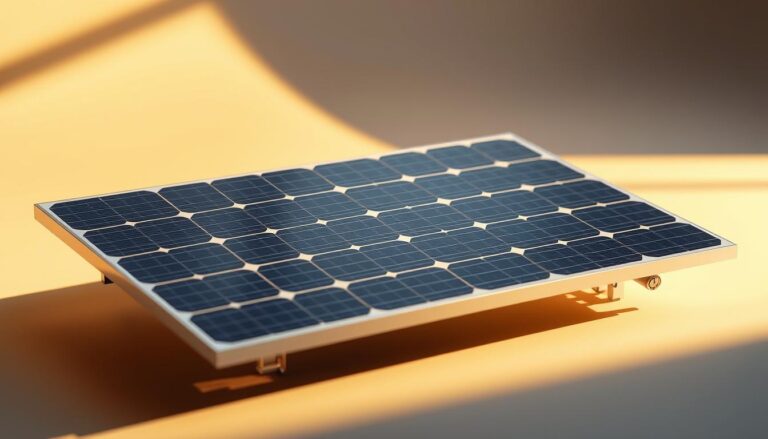
Solar panel technology centers on photovoltaic (PV) cells — semiconductor devices, most commonly made from silicon, that produce electricity when photons strike them. This photoelectric process frees electrons and produces direct current (DC), the primary way panels generate electricity.
From Sunlight to Electricity: The Science Behind Solar Panels

Panels are arrays of many photovoltaic cells wired together to increase voltage and current. Modern residential monocrystalline panels commonly operate in the ~18–22% efficiency range (some high‑end cells exceed that), while polycrystalline and thin‑film options typically offer lower efficiency but can cost less. Efficiency improvements (PERC, bifacial designs, and new materials) continue to raise energy yield per square meter.
- Cells → Panels: Individual cells produce DC; panels combine cells into modules sized for roofs and arrays.
- Panels → Arrays: Multiple panels form an array sized to meet household or utility energy needs.
- DC → AC: Inverters convert DC to alternating current (AC) so power matches household appliances and grid requirements.
The Transformation from Direct Current to Alternating Current
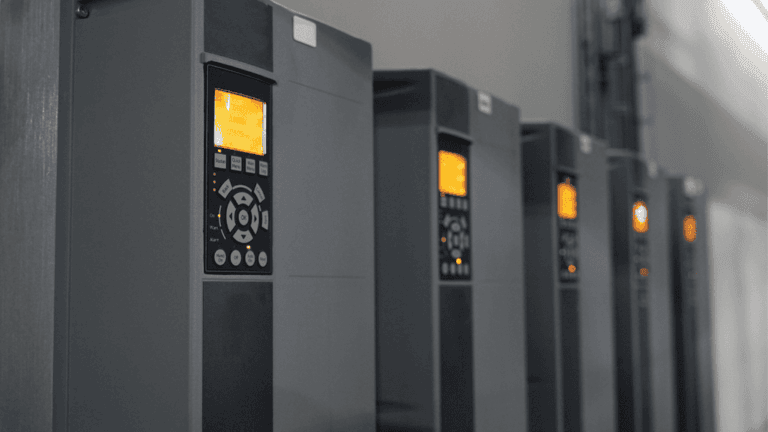
The raw output of PV panels is DC, which most homes and the electrical grid use as AC. Inverters perform this conversion and come in several types: string inverters (one inverter per array), microinverters (one per panel, better panel‑level optimization), and hybrid inverters (combine battery management). Choosing the right inverter affects system efficiency, monitoring, and expansion capability.
Example (typical estimate): a 6 kW rooftop system in a sunny region might produce roughly 7,000–9,000 kWh per year depending on local sunlight (insolation) and panel efficiency — a practical way to generate electricity for most household needs while reducing grid consumption. For precise design and savings, use a solar savings calculator and local insolation data.
Historical Milestones in Solar Energy Development
The story of solar power begins with scientific curiosity and evolves into a global industry. In 1839 Edmond Becquerel observed the photovoltaic effect, laying the groundwork for modern photovoltaic technology. From that discovery, a series of technical breakthroughs, research institutions, and policy actions helped bring solar from lab benches to rooftops and utility fields around the world.
Below are key milestones that shaped the development and deployment of solar technologies, with lasting impacts on costs, performance, and market adoption.
| YearEventImpact | ||
| 1839 | Edmond Becquerel discovers the photovoltaic effect | Established the basic scientific principle for converting sunlight into electricity |
| 1954 | First practical silicon solar cell developed at Bell Labs | Demonstrated a usable PV device and launched modern photovoltaic technology |
| 1977 | Founding of U.S. national solar research efforts (predecessors to NREL) | Accelerated research, testing, and industry partnerships for solar innovation |
| 1999 | Germany’s large residential solar initiatives (e.g., early rooftop incentive programs) | Spurred mass adoption of rooftop systems and helped reduce costs through scale |
| 2005 | U.S. federal incentives and state programs expand support for solar | Investment tax credits and rebates increased deployment and private investment |
| 2022 | U.S. Inflation Reduction Act expands long-term tax incentives for clean energy | Provided multi-year policy certainty supporting large-scale solar investment |
What these milestones mean for adoption and costs
Each milestone reduced technical barriers, scaled manufacturing, or improved economics. Scientific advances increased panel efficiency; policy incentives and programs lowered consumer costs and encouraged investment; research institutions drove continuous improvement. Together these factors helped solar move from a niche technology to a mainstream energy option around the world.
Understanding Solar Panel Technology and Its Components
Solar panel technology has advanced substantially, using photovoltaic cells built from semiconductor materials to convert sunlight into electricity. This section explains what’s inside a panel, how different panel types compare, and which technologies suit specific applications like rooftop arrays, large-scale farms, or solar heating systems.
The Structure and Composition of Solar Cells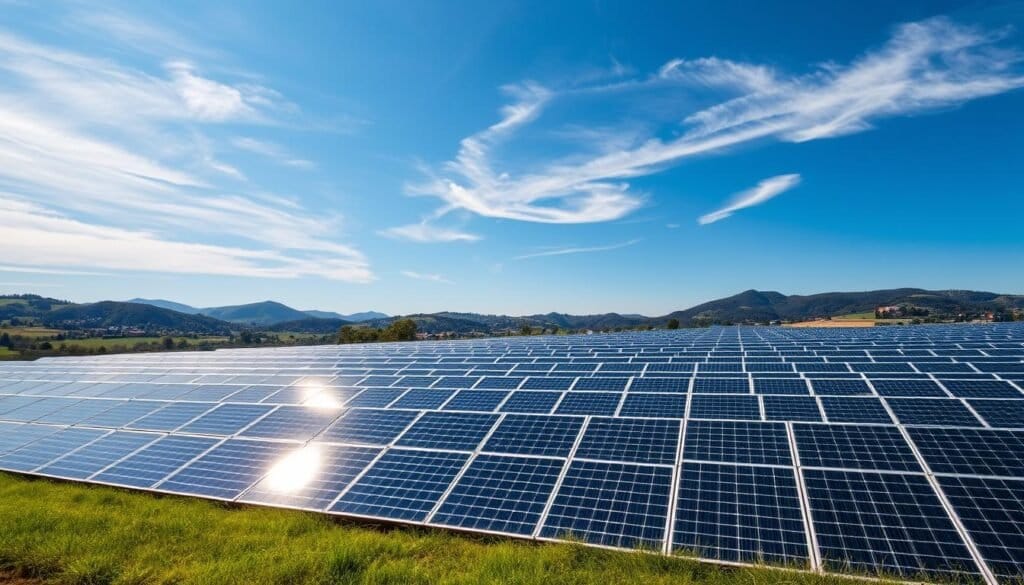
At the heart of a solar panel are photovoltaic cells, most commonly made from crystalline silicon. Today, wafer‑based crystalline silicon accounts for the vast majority of the market (often cited above 90% for commercially installed PV), since silicon offers reliable performance and mature manufacturing. Each cell is typically protected by a layer of tempered glass and encapsulant; cells are arranged and wired into a module to produce useful voltage and current. The basic operating principle uses differently doped silicon layers to create an electric field so that incoming photons free electrons and produce direct current (DC).
Types of Solar Panels and Their Efficiency
Panel types differ in materials, efficiency, cost, and best use cases. Below are the main categories and typical performance characteristics (ranges reflect common commercial products; high‑end models can exceed these numbers):
- Monocrystalline Solar Panels: Made from single‑crystal silicon, these panels generally deliver the highest efficiency for residential and commercial rooftops—roughly 18–22% in many current modules—with long lifetimes and strong space efficiency. Best for limited roof area and high‑production needs.
- Polycrystalline Solar Panels: Produced from multi‑crystal silicon, these are slightly less efficient (commonly ~15–17%) but usually offer lower upfront cost. Good for larger roof areas where space is less constrained.
- Thin‑film Solar Panels: Built by depositing photovoltaic material (e.g., CdTe, CIGS, or emerging perovskites) onto a substrate, thin‑film panels are flexible and lighter. Efficiency typically ranges from about 7% up to ~18% depending on the material; they can be ideal for building‑integrated applications or curved surfaces.
Newer manufacturing and cell innovations—PERC (Passivated Emitter Rear Cell), bifacial modules, and tandem perovskite/silicon concepts—are raising real‑world energy yields and driving down levelized costs. For applications like solar heating and hot water, thermal collectors remain efficient for direct heat needs, while PV panels power electrical loads and battery systems.
Solar Power Systems and Their Integration into the Grid
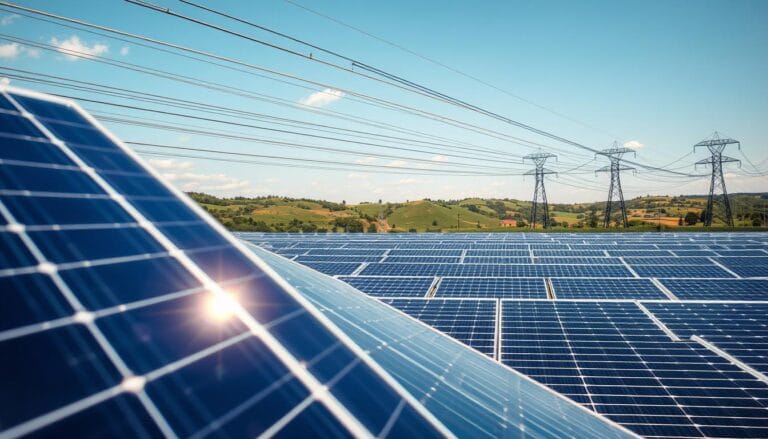
The addition of solar power systems to local and regional grids is a major driver of the energy transition. Properly integrated, distributed solar and large utility arrays help meet peak demand, reduce reliance on fossil‑fuel power plants, and support cleaner energy production. But successful integration requires planning, grid upgrades, and coordination between utilities, developers, and regulators.
Key components for grid integration
- Inverters and power electronics — convert DC from panels to grid‑compatible AC and provide important grid services (voltage support, frequency response).
- Energy storage — batteries or other storage types smooth solar variability and shift generation to meet demand when the sun isn’t shining.
- Forecasting and real‑time data — accurate solar output forecasts and monitoring help grid operators balance supply and demand.
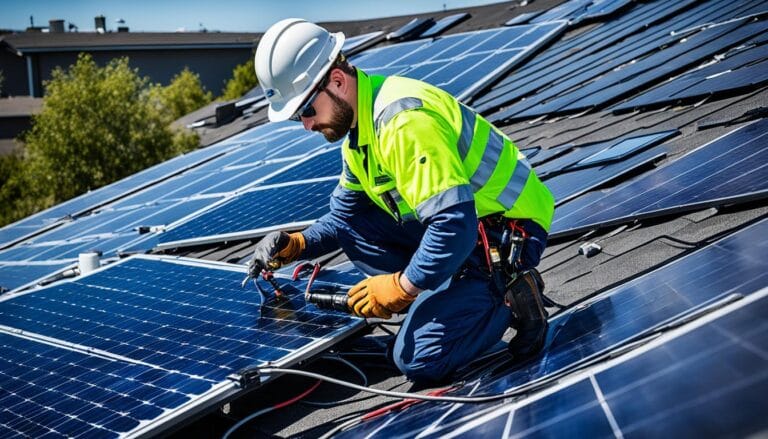
- Interconnection processes — technical studies, permitting, and upgrades to lines or substations are often required to connect systems safely.
Projections for solar’s share of electricity vary by scenario and region; authoritative sources (IEA, EIA, NREL) should be cited for specific forecasts rather than single blanket figures. In many high‑adoption scenarios, solar plus storage can supply a large portion of electricity demand during daytime and shoulder hours, reducing the need for some conventional power plants.
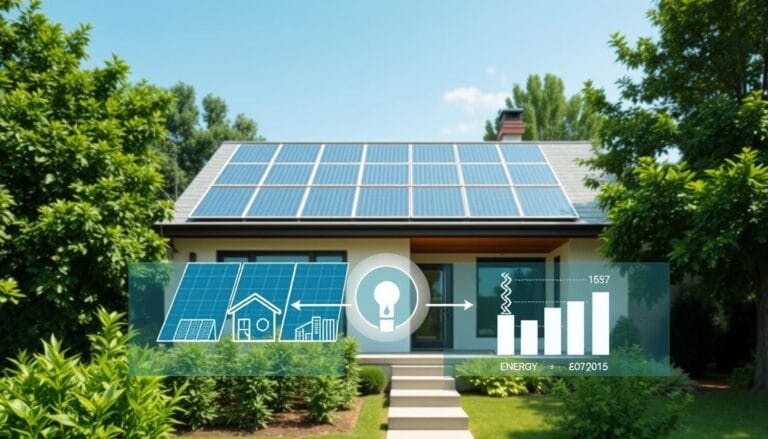
Most residential solar systems remain grid‑connected so homeowners can export excess power under net metering or similar compensation schemes. These rate structures and the credit homeowners receive vary widely by state and utility; they significantly affect the economics of rooftop solar for homes.
- At midday on sunny days, home systems can produce surplus electricity that lowers grid demand and reduces customer bills.
- Special time‑of‑use or dynamic rate plans can improve savings by rewarding generation during high‑value hours.
Integration brings both opportunities and challenges: improved grid resilience and lower marginal costs, but also the need for updated distribution planning and fair utility business models. For practical guidance, see the linked solar research and development article for technical innovations and a recommended interconnection checklist for installers and planners.
| AspectImpact | |
| Grid Resilience | Enhanced with distributed generation and real‑time monitoring |
| Economic Efficiency | Lower system costs and avoided fuel purchases where solar displaces marginal generation |
| Energy Demand | Peak demand reduced during sunny periods with high solar output |
| Grid Stability | Managed via storage, advanced inverters, and improved forecasting |
When expanding solar on the grid, successful outcomes depend on coordinated policy, updated rates, targeted storage deployment, and modernized grid operations to fully realize the benefits of clean, distributed solar energy.
Sustainable Energy Solutions: Solar Power’s Role in Clean Energy
Solar energy is a leading clean energy solution that reduces greenhouse‑gas emissions and provides a reliable energy source for homes, businesses, and communities. By displacing fossil fuels, solar installations help lower air pollution and climate impacts while creating local economic opportunities in manufacturing, installation, and operations.
Reducing Carbon Footprint with Solar Energy
Deploying solar power at scale cuts carbon emissions from electricity and heating. Homeowners who pair rooftop panels with net metering programs can export surplus electricity to the grid and receive bill credits—improving the payback on their systems. Renewable energy certificates (RECs) also let organizations claim zero‑carbon electricity when direct solar supply isn’t available.
Typical residential systems, depending on size and local rates, reduce household carbon footprints significantly and often pay back their investment in roughly 6–12 years when federal and local incentives are applied (regional results vary—check local incentive tools for exact figures).
Advancements in Solar Panel Recycling and Sustainability Efforts
Modern solar panels commonly carry warranties of 25–30 years and degrade slowly (typical annual degradation ~0.5%–0.8%). Recycling infrastructure is expanding: many components—glass, aluminum frames, and some semiconductor materials—are recoverable, though recycling programs and capabilities differ by region. When publishing, link to regional recyclers or e‑waste programs to help readers find options.
New solar technologies such as perovskite tandems, advanced thin‑film, and bifacial panels are improving efficiency and lowering costs. While perovskite cells show promise for higher efficiency, commercial longevity and scaling remain under active development and evaluation.
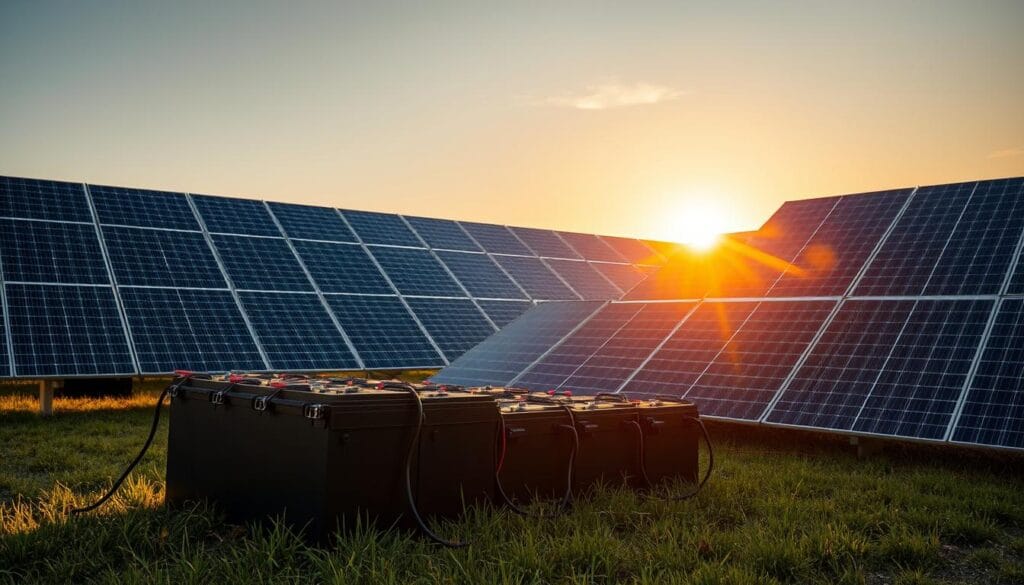
Energy storage solutions—lithium‑ion batteries, flow batteries, and other technologies—are essential to maximize the utility of generated solar power. For example, a typical home pairing might use a 10 kWh battery to shift daytime PV production into evening use; storage sizes should be tailored to household consumption and resilience goals.
| TechnologyBenefitImpact | ||
| Solar Windows and Shingles | Aesthetic and functional building integration | Promotes adoption in urban and historic settings |
| Net Metering | Compensation for surplus energy | Reduces energy bills and supports local energy production |
| Renewable Energy Certificates | Offsets non‑solar electricity use | Helps organizations reach sustainability targets |
| Energy Storage Solutions | Stores excess energy for later use | Increases self‑consumption and grid resilience |
What consumers can do
- Check available incentives and tax credits—federal and local rebates materially improve project economics.
- Ask installers about recycling options for end‑of‑life panels and select manufacturers with recycling commitments.
- Consider pairing panels with appropriately sized storage to increase resilience and maximize on‑site consumption.
Solar technology advancements are making energy production cleaner and more efficient. By combining panels, storage, and smart system design, households and communities can use solar power as a dependable, low‑carbon energy source while taking advantage of incentives that improve payback and reduce costs.
The Expanding Footprint of Solar Farms Worldwide
The growth of solar farms signals a major shift in large‑scale energy generation. Solar parks—utility‑scale arrays of panels—can produce vast amounts of clean power while also enabling innovative land uses, such as agrivoltaics, where farming and energy production coexist on the same site.
Global deployment is accelerating: the International Energy Agency and other agencies outline scenarios that call for gigawatts of new solar capacity added annually through the 2020s to meet climate targets (refer to IEA scenarios for precise annual addition targets and context). The European Union and the United States have national plans and targets that will significantly increase solar capacity over the next decade.
Agrivoltaic systems are an example of scaling that combines food and energy production. In China and other countries, large agrivoltaic projects pair crops with PV arrays to generate power while providing partial shading that can benefit certain crops; some reported installations reach into the hundreds of megawatts in cumulative capacity across regions. Japan and parts of Europe also pilot agrivoltaics for rice, fruit, and specialty crops.
| RegionCapacity (GW)Notable ProjectsYearly Addition Targets (GW) | |||
| United States | Varies by year and source | 13‑MW solar and pollinator habitat in Oregon | Targets differ by state; federal goals support major expansion |
| European Union | Expanding (targets set at union/national level) | Solar vineyards and agrivoltaic pilots in Southern France | Ambitious capacity growth planned through 2025–2030 |
| China | Large and growing (tens of GW annually) | Multiple agrivoltaic clusters; regional projects totaling hundreds of MW | Continued annual additions under national energy plans |
| Japan | Smaller, distributed systems | Agrivoltaics with rice paddies and flowers | Progressive and localized deployment |
Solar farms are expanding in scale and diversity: some projects focus solely on maximizing power output, while others integrate storage, habitat restoration, or dual land uses like grazing or agriculture. As costs fall and storage becomes more available, solar parks will play an increasing role in decarbonizing the power sector and providing reliable clean energy at scale.
Solar Power Generation on Cloudy Days and in Diverse Climates
Weather and climate affect how much power solar systems generate, but modern solar technologies and system design make PV a viable option in a wide range of environments. Understanding performance under different conditions helps homeowners and planners size systems, choose equipment, and add storage or backup as needed.
Effects of Weather on Solar Energy Production

Solar panels still produce electricity on overcast days, though output falls compared with clear‑sun conditions. On heavily overcast days panels may produce roughly 10–40% of peak (clear‑sky) output depending on cloud density, panel type, and local latitude. Bright, diffuse light can still be harvested, and high‑efficiency cells and bifacial modules improve yields under diffuse conditions.
Regions with seasonal cloud cover—such as parts of the Pacific Northwest—still capture meaningful solar energy during sunnier months. System sizing and incentives often determine whether solar remains cost‑effective in less sunny climates.
The Reliability of Solar Systems in Various Environmental Conditions
Temperature affects panel performance: most silicon PV modules have a negative temperature coefficient, so efficiency declines as module temperature rises. While a nominal reference (25°C) is often cited, real‑world performance depends on ambient temperature, mounting, and wind. Humidity, salt spray, heavy precipitation, and dust can affect long‑term performance and maintenance needs.
To manage intermittency and environmental effects, many systems pair PV with storage and backup. Energy storage (batteries) captures surplus daytime generation for use during cloudy periods or at night. Battery sizes vary by household needs—examples include 5–15 kWh for typical residential backup or 10 kWh+ for higher resilience. Backup generators can supplement when extended outages exceed battery capacity.
| Weather ConditionTypical Impact on OutputAdaptive Technologies / Best Practices | ||
| Heavy Overcast | ~10–40% of peak output (varies) | High‑efficiency PV, bifacial panels, slightly larger arrays |
| High Ambient Heat | Module efficiency declines with temperature rise | Elevated mounting for airflow, ventilated racking, cool roof strategies |
| High Humidity / Coastal | Potential corrosion or soiling concerns | Weather‑resistant coatings, corrosion‑resistant frames, regular inspections |
| Rainy / Dusty | Soiling reduces output until cleaned | Automated or scheduled cleaning; tilt optimization for self‑washing |
Net metering and time‑of‑use rates also help mitigate weather variability by crediting exported energy or rewarding generation during high‑value hours. When planning a system, check local net‑metering policies, available incentives, and expected insolation data to estimate yearly production and determine appropriate storage size.
Scaling Solar: From Residential Units to Industrial Solar Farms
The shift from small residential solar units to large industrial solar farms demonstrates how solar power can be deployed at many scales to meet different energy needs. Residential systems lower household electricity bills and cut emissions, while utility‑scale farms deliver large amounts of power to the grid, supporting communities and industries.
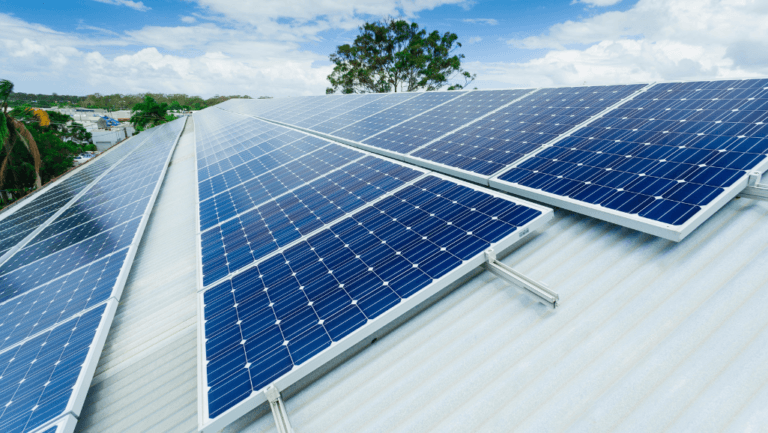
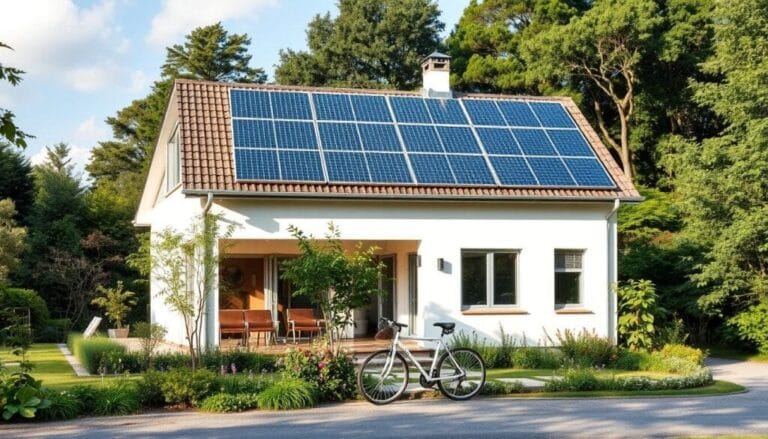
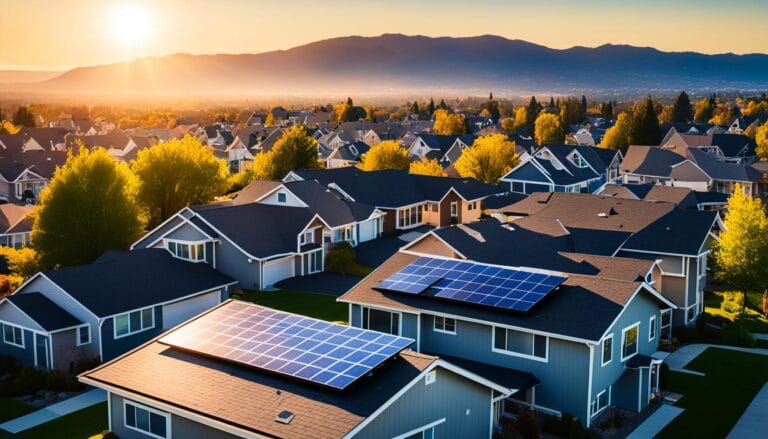
Residential solar installations (rooftop or small ground‑mount) are sized for individual homes and neighborhoods. Industrial solar farms, by contrast, are large arrays designed to supply thousands of homes or large facilities. The ability to scale — from a few kilowatts on a roof to tens or hundreds of megawatts in a field — is a core strength of solar energy.
Key considerations when scaling
- Interconnection and permitting: larger projects require more extensive technical studies, environmental reviews, and sometimes grid upgrades; expect interconnection timelines to vary widely by utility and region.
- Land and siting: a common rule‑of‑thumb is roughly 4–5 acres per megawatt for fixed‑tilt utility projects (actual land use varies with tracker systems and layout).
- Grid proximity and infrastructure: utility projects need access to transmission or distribution lines and adequate substation capacity to export electricity.
- Project complexity: larger systems involve more stakeholders, financing arrangements, and long‑term operations planning.
| Project TypeTypical SizeTypical Interconnection Complexity | ||
| Residential | 3–10 kW | Simple; net metering and small‑scale inspections |
| Small Commercial | 10–50 kW | Moderate; technical and administrative reviews |
| Large Industrial / Utility | MWs to 100s of MWs | High; detailed studies, environmental & grid impact assessments, possible upgrades |
Example: using a 4.5 acres/MW estimate, a 50 MW utility project might require roughly 225 acres of land (site‑dependent). Developers also plan for setbacks, access roads, and spacing, so land requirements can be larger in practice.
Whether for homes or for large farms, planning for interconnection, permitting, and appropriate equipment (panels, inverters, racking, and optional storage) is critical. Scaling solar responsibly ensures reliable electricity supply while minimizing environmental impacts and maximizing community benefits.
Global Leaders in Solar Energy Production and Innovation
Countries worldwide are accelerating deployment of solar technologies to meet climate goals, spur economic growth, and secure energy supplies. Leadership combines large domestic markets, manufacturing capacity, and supportive policies that lower costs and expand adoption.
The Race for Solar Supremacy: Top Countries Harnessing Solar Power
China and the United States are the two largest players in solar power deployment and manufacturing. China leads in manufacturing scale and exports, while the United States has made major investments in deployment, innovation, and supply‑chain resilience. Other countries—including Australia, Germany, India, and Japan—also rank highly in installed capacity and per‑capita adoption; for example, Australia has one of the highest household adoption rates in the world, with rooftop systems common on many homes.
Policy and public‑private investment drive much of this growth: manufacturing incentives, domestic content policies, and R&D funding have helped scale production and lower costs in key markets.
International Policies and Support for Solar Energy Growth
Policy levers that matter include tax credits, direct incentives and rebates, net‑metering rules, feed‑in tariffs, and manufacturing support. For example, many countries offer investment tax credits or accelerated depreciation to reduce upfront costs for solar systems. The exact design and generosity of incentives vary by country and sometimes by region within a country.
| CountryRecent Capacity Trends / NotesPolicy SupportTargets or Remarks | |||
| China | Largest annual additions globally; major manufacturing base | Strong industrial and deployment support | Continued expansion of manufacturing and deployment |
| United States | Rapid deployment across utility and rooftop markets | Federal and state tax incentives, production and investment credits | Significant federal incentives (IRA) and state programs supporting growth |
| Australia | High household adoption rates; strong residential market | State and federal rebates and incentives | Widespread rooftop solar uptake |
| Israel / Mauritania | Targeted projects and rapid deployment in specific contexts | Government targets and international funding support | National goals and partnership‑based projects |
Solar manufacturing and supply chains are strategic priorities: investments in domestic manufacturing (panels, cells, inverters, storage) reduce import dependence and create jobs. Tax incentives and targeted grants help spur these industries—check national and state resources for current programs and eligibility.
For readers: consider exploring local incentives and tax credits (federal and state) to see how they change project economics. Links to country‑level data from IEA, IRENA, and national agencies are recommended when updating numbers and policy details to ensure the most current figures are cited.
Conclusion
Solar power has moved from scientific curiosity to a mainstream energy option that helps reduce emissions, lower electricity costs, and expand local energy production. Understanding how solar systems work—from photovoltaic cells to inverters and optional storage—helps homeowners and planners use this energy source effectively.
The scale of the sun’s resource is enormous (some summaries note that minutes to hours of global sunlight equal annual human energy needs depending on the metric), but practical deployment requires systems, storage, and policy support to turn sunlight into reliable electricity. Refer to IEA and national energy data when citing specific “enough power” statistics to ensure the correct context (global primary energy vs. electricity).
Today’s solar panels commonly carry 25–30 year warranties and typically pay back their cost in a region‑dependent timeframe—often within 6–12 years when local incentives and favorable electricity rates are available. That improved economics, along with falling manufacturing costs and better technology, has made panels and systems an increasingly attractive choice for many homes and businesses.
At the same time, growth must be managed responsibly. Key environmental concerns include panel end‑of‑life recycling, habitat impacts from large solar farms, and water use for some CSP (concentrated solar power) cooling systems. Policy measures—tax credits, incentives, and permitting standards—help guide sustainable deployment while encouraging investment.
Next steps for readers: check available incentives and tax credits in your area, compare panel and system options, and use a solar savings calculator to estimate payback and energy production. For installers and planners, consider recycling plans and wildlife‑friendly siting when developing larger solar farms.
FAQ
How is solar power generated?
Can solar power systems function independently from the electrical grid?
What advancements have been made to improve efficiency?
How do solar panels perform in cloudy conditions?
What are the environmental benefits of solar energy?
How are solar farms different from residential systems?
How is solar panel recycling contributing to sustainability?