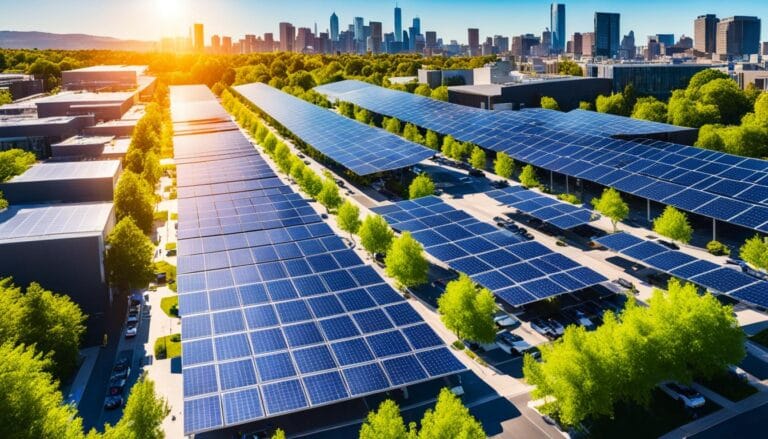
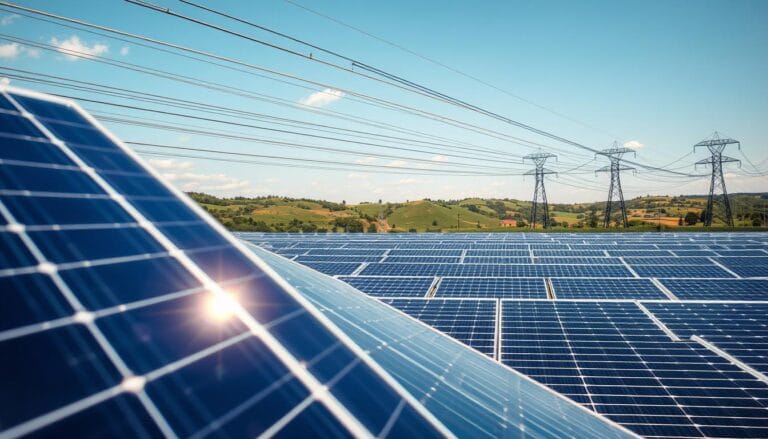
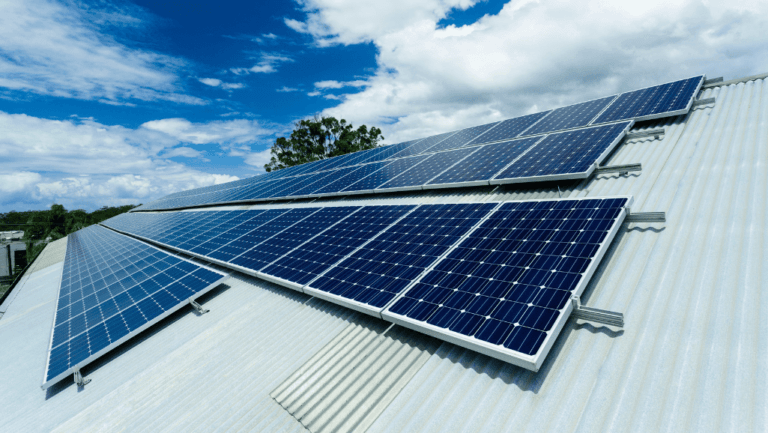
Renewable sources like solar power are transforming how we produce energy, and their solar energy environmental benefits are central to that shift. Choosing solar power reduces emissions, lowers reliance on fossil fuels, and supports a cleaner, healthier planet. The U.S. Department of Energy’s Solar Energy Technologies Office is studying how utility-scale and distributed solar affect local ecosystems and wildlife to maximize sustainable energy benefits while protecting natural habitats (see DOE research for details). For example, DOE analyses indicate a pathway to a carbon-neutral U.S. electric grid by 2035 if deployment of low‑carbon technologies accelerates—solar energy plays a leading role in that scenario and, in many models, would occupy roughly 0.3% of U.S. land area for utility-scale arrays when coupled with rooftop and other distributed generation (source: DOE reports). Many projects also incorporate wildlife and pollinator-friendly practices, proving that large-scale solar development can deliver both clean energy and on-site ecological improvements. Read on to learn how these benefits are realized in practice. Key Takeaways solar energy environmental benefits. Solar energy delivers measurable environmental benefits by cutting greenhouse gas emissions and lowering reliance on fossil fuels. Strategic siting and deployment of solar energy minimize land use—many DOE scenarios estimate utility-scale arrays would occupy roughly 0.3% of U.S. land when combined with rooftop and distributed systems. Avian monitoring and bird-friendly design measures are essential to understand and reduce solar development impacts on wildlife. Solar grazing and habitat-friendly groundcover improve ecosystem health and soil conditions at many solar sites. Pollinator habitat projects at solar facilities can sustain critical insect populations and support local agriculture. Research on stormwater management and site-specific practices establishes best practices for maintaining soil health and preventing erosion. Material innovations and improved PV design make panel recycling easier, reducing lifecycle waste and emissions. Eco-conscious solar projects can be planned to advance equity and environmental justice, ensuring community benefits alongside clean power. Key takeaway: well-planned solar projects can maximize environmental benefits while supporting local communities—read on to see examples and practical strategies. Understanding Solar Energy and Its Positive Impact on Ecosystems The world is confronting climate change, and solar energy is a central tool in cutting emissions and decarbonizing our electricity supply. Solar energy generates clean electricity with minimal operational pollution and delivers tangible environmental benefits for communities and ecosystems. The Role of Solar Energy in Carbon Sequestration and Pollination Solar projects can indirectly support carbon sequestration when sites are managed with native vegetation or paired with agroecological practices; it’s the planted vegetation — not the PV panels themselves — that stores CO2. Many solar sites are being designed with pollinator-friendly groundcovers and habitat strips that provide forage and nesting habitat for bees and other insects, supporting both biodiversity and nearby agricultural productivity. Improving Air Quality with Reduced Greenhouse Gas Emissions By replacing electricity from fossil fuel-fired power plants, solar power lowers greenhouse gas emissions and other air pollutants that harm respiratory and cardiovascular health. Large-scale deployment of solar energy contributes to cleaner air and measurable public-health benefits by reducing particulate matter and nitrogen oxide emissions linked to coal and natural gas generation. Ground and Stormwater Management through Solar Installations Thoughtful site design and soil management at solar facilities help protect water quality and reduce erosion. When developers use native plantings, bioswales, and other stormwater controls, solar sites can improve infiltration and stabilize soils compared with bare, compacted surfaces. Research and state guidance increasingly recommend site-specific stormwater practices so that solar installations maintain ecosystem services for surrounding habitats and communities. Strategies for Eco-Conscious Solar Development Applying principles of solar energy conservation and understanding the practical solar panels benefits are essential for minimizing environmental impact while maximizing community value. Thoughtful site selection, streamlined permitting, and meaningful engagement with local stakeholders help projects avoid sensitive habitats and deliver stronger environmental benefits. Controlling upfront costs and accounting for lifecycle impacts are both important. Incentives such as the federal Investment Tax Credit (ITC) and state rebate programs lower initial expenses and shorten payback periods, while on-site design choices—like native groundcovers, pollinator habitat, and dual-use (agrivoltaics/grazing)—deliver long-term savings in energy bills and environmental stewardship. For practical DIY savings and basics, visit Solar Powers World. BenefitDescriptionImpact Long-term Cost Savings Reduction in electricity bills Significant financial savings for businesses over time Energy Independence Reduced reliance on external power sources Enhances community resilience and stability in energy supply Environmental Conservation Low operational water use and near-zero direct greenhouse gas emissions during generation (lifecycle impacts vary)…