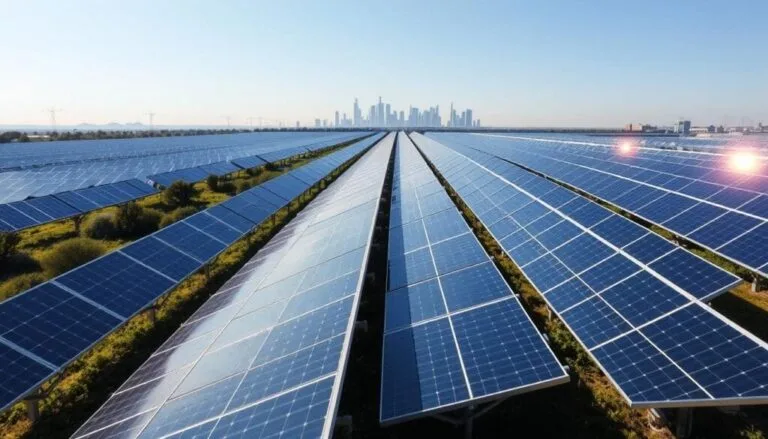
Solar power is a cornerstone of renewable energy generation and a practical way for homes and businesses to cut emissions and lower electricity bills. By capturing the sun’s energy, solar systems generate electricity with no direct combustion, using photovoltaic cells to convert sunlight into usable power. Modern solar panels typically carry performance warranties of 25–30 years and can be recycled at end of life in many regions, though recycling availability and processes vary by location and panel type. When sized and sited correctly, a typical residential system often pays back its upfront cost in roughly 6–12 years depending on local electricity rates and incentives. Key Takeaways How is solar power generated: photovoltaic (PV) cells transform sunlight into direct current electricity, which inverters convert to alternating current for home and grid use. Solar power is a low‑emission, abundant energy source that supports renewable energy generation and clean energy goals. Solar panels are long‑lasting and increasingly recyclable, making them an eco‑friendly addition to homes and communities. Photovoltaic technology — first observed in the 19th century — remains the core method for how solar power is generated today. Silicon‑based cells remain the market leader for converting sunlight into electricity at competitive efficiency and cost. Inverters are essential components that turn DC from panels into AC used by household appliances and the grid. Large solar farms and distributed rooftop systems both play roles in expanding solar’s impact worldwide. Net metering and similar programs let homeowners export surplus power to the grid and receive bill credits, improving the economics of residential solar. The Sun’s Infinite Power: An Introduction to Solar Energy Solar energy is one of the most important energy sources for decarbonizing electricity and heating. By capturing sunlight, solar power can serve homes, remote microgrids, satellites, and large utility projects—making it a versatile tool for reducing fossil‑fuel use and lowering energy bills. (Note: the often‑quoted idea that the sun delivers in ~90 minutes enough energy to meet global annual energy demand refers to total solar irradiance vs. global primary energy; cite IEA) Solar energy technologies include different approaches suited to varied needs. Below is a quick overview of the main types and how they work. ComponentDescription Photovoltaic (PV) Cells Convert sunlight directly into electricity using semiconductor materials such as silicon; widely used from rooftop panels to utility farms. Concentrated Solar Power (CSP) Uses mirrors or lenses to concentrate sunlight to heat a fluid and produce steam that drives a turbine—effective for large, utility‑scale generation and for adding thermal storage. Solar Heating and Cooling (SHC) Employs solar thermal collectors to provide space heating, hot water, or to drive absorption chillers for cooling, reducing conventional heating costs. Beyond cutting greenhouse gases, solar technologies create jobs across manufacturing, installation, and operations—supported by policy incentives in many markets (see IEA and NREL reports for recent employment data). Solar systems can also reduce household energy costs and pair with water‑heating systems and batteries to increase resilience. As innovation continues—improvements in panels, better mirrors for CSP, and integrated solar heating—solar power is increasingly practical as a major part of clean energy strategies worldwide. How Is Solar Power Generated? The path from sunlight to usable electricity combines physics and practical engineering. Solar technologies capture energy from the sun (sunlight) with photovoltaic cells, assemble those cells into panels, and then convert the generated power so it can run appliances or feed the grid. The Role of Photovoltaic Cells in Energy Conversion Solar panel technology centers on photovoltaic (PV) cells — semiconductor devices, most commonly made from silicon, that produce electricity when photons strike them. This photoelectric process frees electrons and produces direct current (DC), the primary way panels generate electricity. From Sunlight to Electricity: The Science Behind Solar Panels Panels are arrays of many photovoltaic cells wired together to increase voltage and current. Modern residential monocrystalline panels commonly operate in the ~18–22% efficiency range (some high‑end cells exceed that), while polycrystalline and thin‑film options typically offer lower efficiency but can cost less. Efficiency improvements (PERC, bifacial designs, and new materials) continue to raise energy yield per square meter. Cells → Panels: Individual cells produce DC; panels combine cells into modules sized for roofs and arrays. Panels → Arrays: Multiple panels form an array sized to meet household or utility energy needs. DC → AC: Inverters convert DC to alternating current (AC) so power matches household appliances and grid requirements. The Transformation from Direct Current to Alternating Current The raw output of PV panels is DC, which most homes and the electrical grid use as AC. Inverters perform this conversion and come in several types: string inverters (one inverter per array), microinverters (one per panel, better panel‑level optimization), and hybrid inverters (combine battery management). Choosing the right inverter affects system efficiency, monitoring, and expansion capability. Example (typical estimate): a 6 kW rooftop system in a sunny region might produce roughly 7,000–9,000 kWh per year depending on local sunlight (insolation) and panel efficiency — a practical way to generate electricity for most household needs while reducing grid consumption. For precise design and savings, use a solar savings calculator and local insolation data. Historical Milestones in Solar Energy Development The story of solar power begins with scientific curiosity and evolves into a global industry. In 1839 Edmond Becquerel observed the photovoltaic effect, laying the groundwork for modern photovoltaic technology. From that discovery, a series of technical breakthroughs, research institutions, and policy actions helped bring solar from lab benches to rooftops and utility fields around the world.…