Skip to content

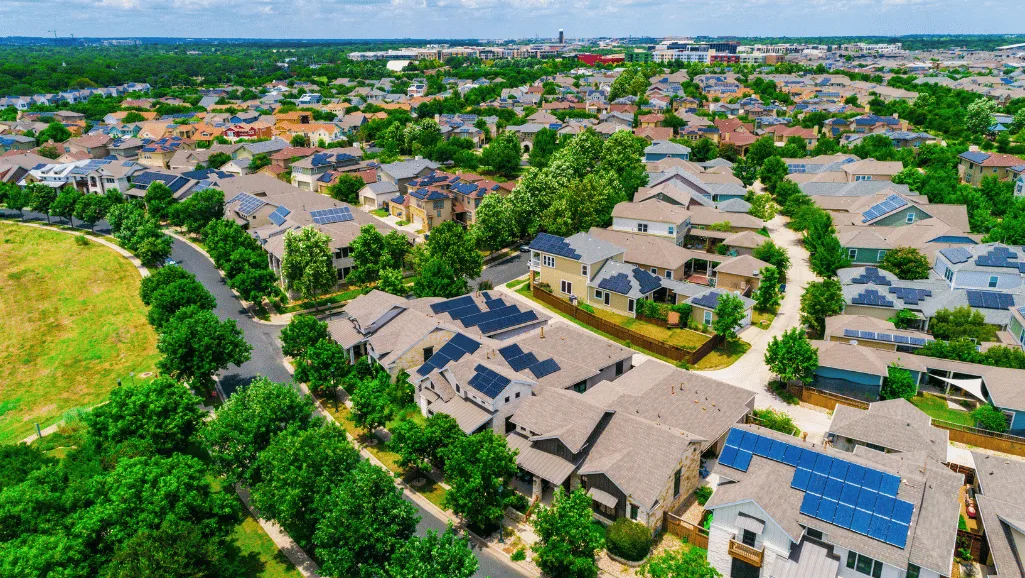
Society faces the big challenge of climate change, and solar energy shines as a ray of hope. It shows us a way to be more sustainable and have cleaner energy. Using renewable energy is key in fighting global warming, and solar energy is crucial in this fight.
Solar panels are vital in reducing our carbon footprint. They help us move towards a future with no carbon in our electricity and make our air and water cleaner. Groups like the U.S. Department of Energy Solar Energy Technologies Office (SETO) support solar innovation. They help push clean energy solutions forward.
To fully understand how solar energy can help fight climate change, we need to look at what we’re doing now and what we can do in the future. Solar energy does more than just give us power. It also helps our environment and agriculture, making our land better for nature and people.
Key Takeaways
- Solar energy is becoming a big part of the renewable energy world. It helps reduce harmful gases in the air.
- Studies are important for making solar projects that work well with nature and don’t harm our water.
- New technology and smart ways of using land make solar energy a strong choice for the future.
- The solar industry is creating jobs and helping the economy grow, all while cutting down on harmful gases.
- With the right policies, solar energy is leading the way to energy freedom and a healthier planet for everyone.
Understanding Solar Energy as a Catalyst for Environmental Change
Solar energy is changing the game for the environment. It helps us cut down on carbon emissions, protect nature, and embrace clean energy solutions. Let’s dive into how solar energy is key in lowering greenhouse gases, blending with nature, and the new tech making waves in solar power.
Reducing Greenhouse Gas Emissions through Solar Adoption
Solar power is a big help in fighting the environmental impact of solar power. Switching to solar cuts down on CO2 emissions, helping us fight climate change. For example, the use of PV and solar-thermal power has made us less dependent on fossil fuels and cleaner air. From 2010 to 2020, PV capacity jumped from 40,334 MW to 709,674 MW, showing our dedication to sustainable technology.
Solar Technology’s Compatibility with Wildlife and Ecosystems
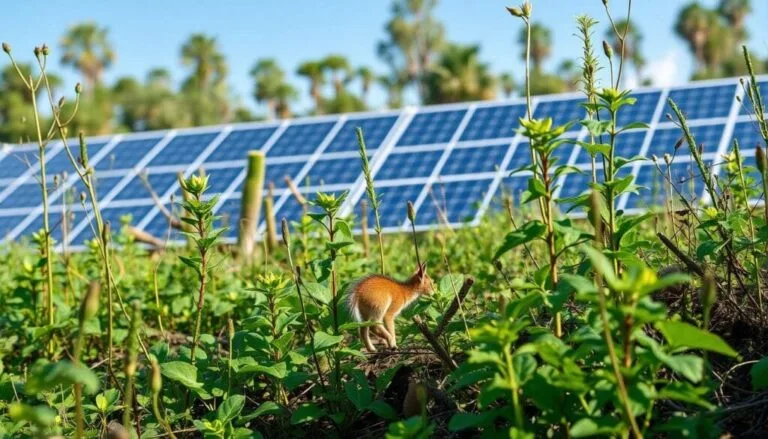
New solar tech and solar-thermal power systems think about nature. Solar farms take up less land and help wildlife, which helps nature and gives us clean energy. This smart planning means solar setups don’t harm nature but help by managing soil and water and supporting bees.
Potential for Innovation in Photovoltaic and Solar-Thermal Systems
Advances in photovoltaic technology are pushing solar power ahead. Improvements in solar cells and storage make solar more practical and powerful. The rise of CSP, from 1,266 MW in 2010 to 6,479 MW by 2020, shows how solar-thermal power is evolving. With cutting-edge solar tech, we’re moving towards a future with less pollution and more energy security.
Seeing solar energy as a catalyst for environmental change shows its big role. It helps fight climate change, supports energy freedom, nature, and the economy. The drive for solar tech research shows its huge potential to make our world cleaner and stronger.
The Impact of Solar Power on Climate Crisis Mitigation
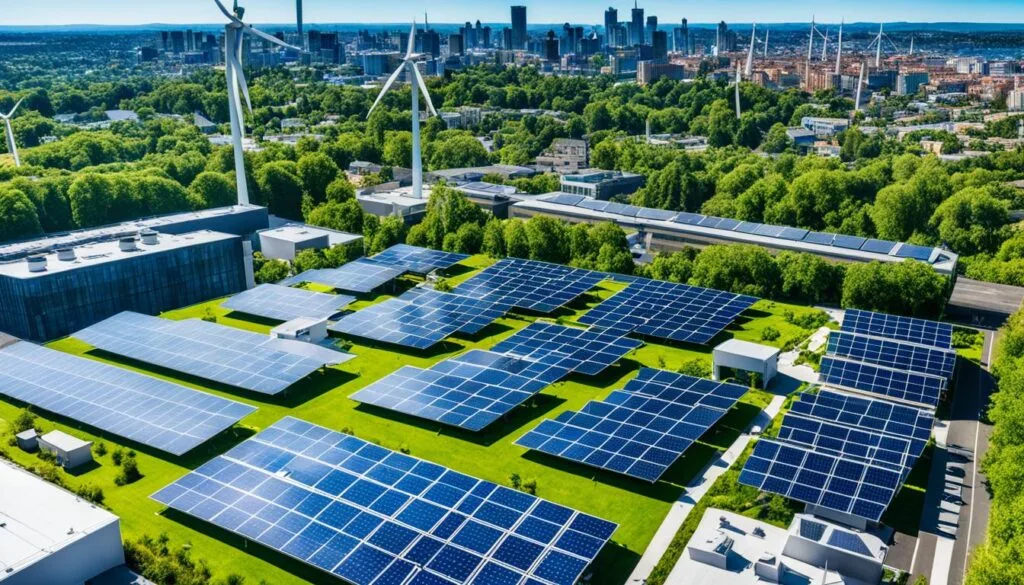
The need to fight the climate crisis and slow down global warming is urgent. Solar power is a key solution. It supports sustainable living and helps with climate action. Using solar energy cuts down on fossil fuel use, which is bad for the environment.
Solar panels are a big step towards clean energy. They make electricity from sunlight without any carbon emissions. This is a big change from old ways of making electricity that pollute a lot.
| Energy Source | CO2 Emissions per kWh | Lifetime Reduction in CO2 |
|---|---|---|
| Solar Energy | 20-50 gCO2 | 100 tons |
| Coal | 0.97 kgCO2 | N/A |
| Typical Electricity Mix | Varies | N/A |
Using solar technology helps use renewable energy and cuts down on greenhouse gases. One solar panel can reduce over 100 tons of carbon dioxide over 28 years. It also helps with heating and water, which is good for the planet.
Solar energy is good for communities, helps the economy, and makes people more independent. It lets people and businesses use clean energy. This lowers emissions and helps us live more sustainably.
Oil reserves will run out by 2052, making solar power a must. Using solar energy means we can reduce our impact on the planet. This leads to a greener future and helps fight the climate crisis.
Advancements in Photovoltaic Technology and Energy Efficiency
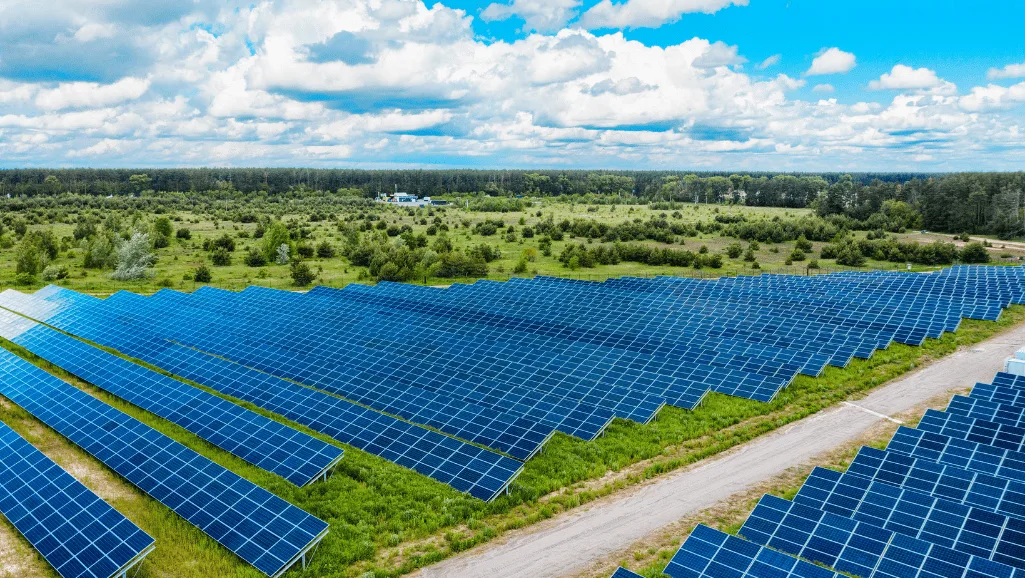
The journey towards a cleaner, sustainable future is filled with tech breakthroughs in photovoltaic technology. These advancements improve solar panel performance and make solar power more popular. New solar cell tech leads to better energy output and more solar power in smart grids, supporting sustainable energy.
Breakthroughs in Solar Cell Efficiency
New tech like thin-film, tandem, and perovskite solar cells is setting new efficiency standards. These innovations aim to cut the cost of solar power and use more sunlight for energy. This could make solar power a key part of our energy mix.
Improving Energy Yield from Solar Installations
Recent tech advances aim to get more energy from solar setups. The potential solar energy is huge, far more than we need. Using a bit more efficiently could solve energy shortages and cut down on fossil fuel use.
The Role of Solar in Smart Grid Development
Smart grids change how we manage and distribute electricity. Adding solar panels to these grids boosts energy efficiency and reliability. This tech helps manage energy better, meeting demand in real-time and making the energy system more flexible.
The link between solar tech and smart grids is key for sustainable energy. It makes solar panels more practical and supports energy efficiency and sustainability. As these technologies grow, they’re crucial for a sustainable, efficient energy world.
Financial and Economic Benefits of Solar Energy
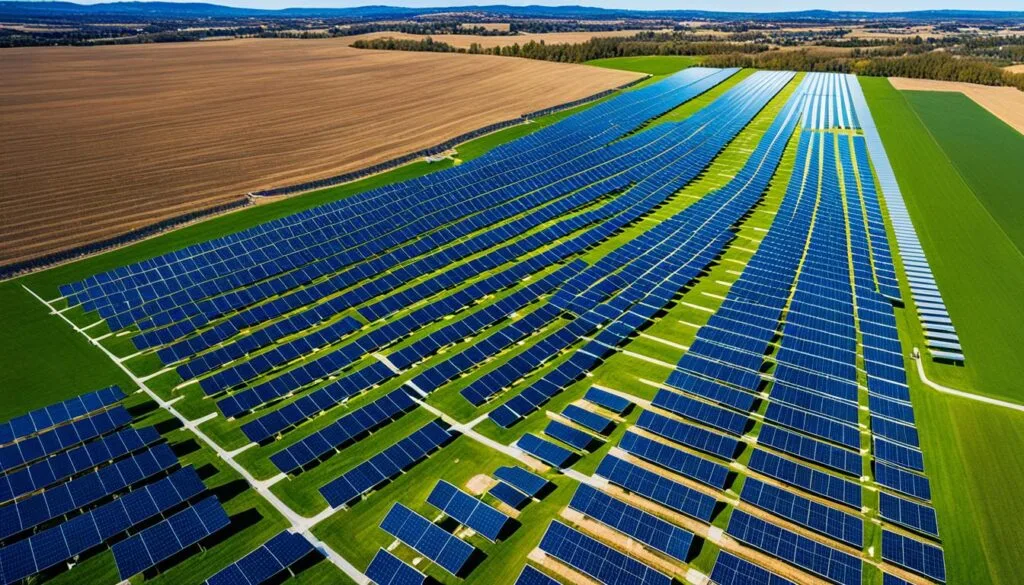
Switching to solar energy is a big step for the planet and for our wallets. The economic advantages of solar energy are huge, covering everything from energy cost savings to job creation in the solar industry. Going solar makes our planet healthier and helps our local and national economies grow.
One big win for people is lower utility bills. Solar power is cheaper than traditional energy sources, leading to big savings over time. Plus, homes with solar panels are worth more, adding to the financial perks.
- Energy cost savings happen as solar power cuts down on the need for expensive electricity, especially during peak times.
- Solar setups lead to job creation in the solar industry, with jobs in making, installing, and keeping them running.
- Switching to solar means less carbon emissions, linking lower costs with caring for the planet.
Also, government help makes solar panels cheaper to install. This makes solar tech more reachable and boosts local jobs as more skilled workers are needed. The industry grows with new tech and cheaper parts, offering more job chances.
Here’s a table showing how solar energy boosts home values, job numbers, and savings:
| Benefit | Description | Quantitative Impact |
|---|---|---|
| Home Value Increase | Homes with solar panels sell for more. | Up to $15,000 premium |
| Job Creation | More jobs in making, installing, and maintaining solar setups. | Thousands of new jobs each year |
| Utility Bill Savings | Less money spent on energy bills. | Savings over 25 years can be tens of thousands of dollars |
The economic advantages of solar energy go beyond just saving money. They help build a sustainable economy ready for growth. The growth of job creation in the solar industry and big energy cost savings show solar power is good for the planet and a wise financial move.
Solar Energy and Climate Change: Pathways to a Sustainable Future
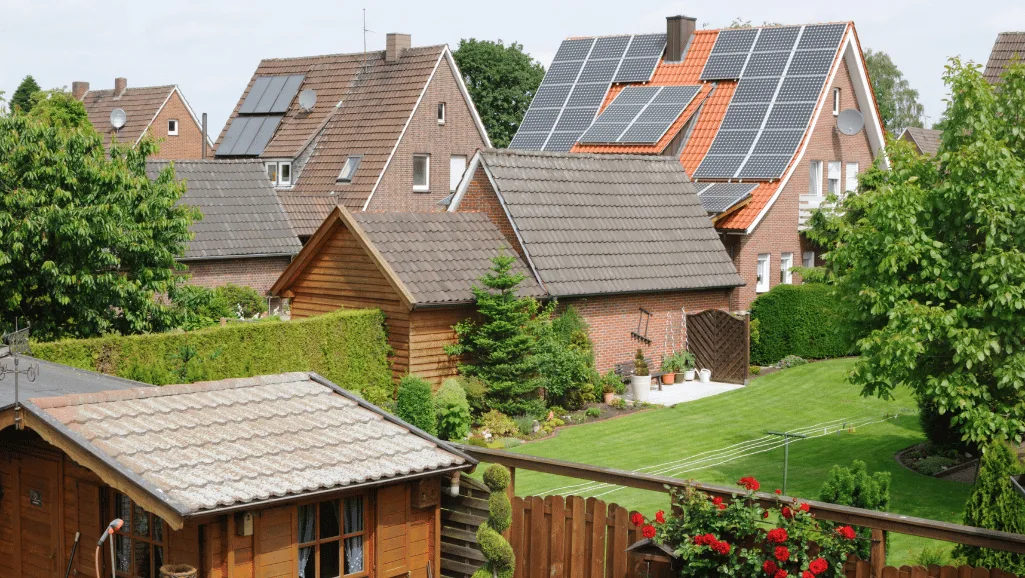
Solar energy is leading the way in sustainable technology. It offers hope and innovation against climate change. By using alternative energy sources, we make our planet healthier and bring communities together through green projects.
Solar-Pollinator Habitat Projects
Solar energy and nature work well together, like in solar-pollinator habitat projects. These projects use land under solar panels for pollinators. This helps with biodiversity and keeps agricultural areas healthy.
Integrating Solar Power with Agriculture
Putting solar panels near farms makes the best use of land. It combines energy production with farming. This approach saves important land for farming and supports sustainable rural growth.
Community-Driven Solar Initiatives and Equity
Community solar projects make energy accessible to everyone. They involve local people from the start. This way, everyone gets to enjoy the benefits of solar power, like lower bills and better health.
| Year | Total Installed Capacity (in terawatts) | % of Global Power Sourced from Solar |
|---|---|---|
| 2021 | 1.0 | 2.5% |
| Projected 2031 | 6.0 | 15% |
| Projected 2050 | 80.0 | Potentially 100% |
The table shows solar energy is growing fast. It’s key to a sustainable future. With a focus on sustainable practices and including everyone, solar energy is a crucial part of fighting climate change.
Real-World Examples of Solar Energy Implementation
Case studies show how solar energy is changing the world. Countries are setting big goals and hitting them in solar energy. For example, Morocco aims to get 52% of its electricity from renewables by 2030. This shows how important solar energy is in their energy plans.
Morocco is putting a lot into solar energy and using old fossil fuel money for schools. This makes their energy better and helps their communities. It’s a great example of how solar energy helps in many ways, like making energy and improving lives.
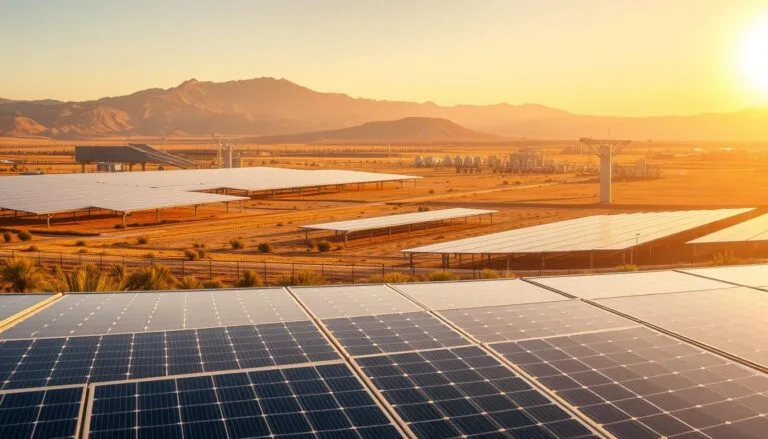
In the U.S., most solar projects are in deserts. They also use farmland and smaller areas in cities, fields, and forests. Using these places for solar energy cuts down on carbon emissions a lot. This shows how solar energy is better for the planet.
Investments in clean energy have jumped to USD 1.8 trillion recently. This shows how big and confident people are in solar energy. Countries like Portugal and Uruguay now get almost all their electricity from clean sources. This is part of a big move towards a sustainable future.
These examples show the world’s big push for more renewable energy. With more progress and money going into it, solar energy is key to a green and strong future.
Policy Frameworks and Incentives for Solar Energy Adoption
Effective policies and strong incentives are key to speeding up solar energy use. As the world fights climate change, new policies are helping businesses and homes switch to renewable energy. Solar laws and clean energy projects are leading this change.
Government Subsidies and Solar Mandates
Government support like Feed-in Tariffs (FiTs) and Investment Tax Credits (ITCs) has made solar energy cheaper. In Europe, FiTs helped countries like Germany and Spain boost solar use. ITCs and grants worldwide lower the cost of solar systems, making them more accessible.
Regulatory Support for Solar Industry Growth
Net metering and green certificates like Renewable Energy Certificates (RECs) boost sustainable energy. Net metering lets solar users send extra power back to the grid for credits. RECs show the green benefits of renewable energy, making it more popular.
International Agreements and Collaboration
International efforts show a global push for renewable energy. The Clean Energy States Alliance is a key group in the US aiming for 100% renewable energy. This shows how countries are working together for a green future.
| Policy/Incentive | Impact | Examples of Implementation |
|---|---|---|
| Feed-in Tariffs (FiTs) | Increases solar capacity | Germany, Spain, France, Japan |
| Investment Tax Credits (ITC) | Reduction in upfront costs for solar installations | USA, Australia |
| Net Metering | Enables energy credits for surplus generation | Australia, USA |
| Renewable Energy Certificates (RECs) | Represents the environmental benefits of solar energy | USA, EU |
| Inflation Reduction Act | New incentives for investing in clean energy technologies | USA |
In conclusion, better support from regulators, economic incentives, and global cooperation are key to fighting climate change with clean energy. As governments and global bodies improve policies and solar laws, a solar-powered future is more likely.
Challenges and Controversies Surrounding Solar Energy Expansion
Solar energy is key to fighting climate change, but it faces big challenges and debates. This part looks at the issues, especially about sustainable land use and the effects on the environment.
The fast growth of solar power is good for the planet but causes land conflicts. Big solar projects need a lot of land, which can harm nature and farms. This leads to debates on what land should be used for.
The Bhadla Solar Park in Rajasthan, India, is a big solar project. It covers 10,000 acres and helps with solar power. But, it makes people wonder about its effect on local plants and animals. The Solar Star project in California also faces questions about using too much land.
Solar power is getting more popular and affects policies. It often helps solar supporters more than the environment. This might lead to ignoring other good energy options like nuclear and wind.
There are also debates about how solar energy works with government policies. Solar benefits, like the tax credit, help the industry but cause arguments. Critics say these policies don’t support all energy types equally, which can slow down new energy discoveries.
- Issues with solar power being unreliable, needing better storage solutions.
- Challenges in making solar energy grow fast without harming nature.
- Pressure from solar industry groups.
In the end, solar energy is important for a green future, but we must be careful with it. We need to solve these controversies to make sure solar energy helps everyone. It should not harm sustainable land use or nature.
As we move towards solar energy, talking with different groups is key. We need to listen to everyone to make a sustainable energy future.
Environmental and Health Benefits of Embracing Solar Energy
Switching to clean energy, like solar power, is a big step towards cleaner air and better health. It cuts down on fossil fuel use. This green tech is key to a healthier planet and keeping our ecosystem preservation in check.
Improving Air Quality and Reducing Health Risks
Using solar energy means cleaner air by cutting down on harmful pollutants and emissions. This change helps fight breathing problems like asthma and bronchitis. It also lowers the risk of serious illnesses linked to dirty air. Learn more about the benefits of solar energy
Impact of Solar Energy on Ecosystem Preservation
Solar panels make electricity without using much water, easing the strain on this vital resource. They don’t harm habitats or wildlife like traditional energy sources do. This helps protect ecosystems and the animals living in them.
Contributions to Carbon Footprint Reduction
Solar power leads the way in cutting down greenhouse gases by offering a green alternative to fossil fuels. By using solar panels, homes and businesses can greatly help fight climate change. This supports the goal of a cleaner, sustainable future for all.
| Benefit | Impact |
|---|---|
| Carbon dioxide emission reduction | Eliminates or significantly reduces emissions from traditional energy sources |
| Savings on electricity bills | Long-term financial savings for homeowners and businesses |
| Job creation | Boosts local economies through increased opportunities in manufacturing, installation, and maintenance |
| Water conservation | Minimizes water usage in electricity generation, preserving valuable water resources |
| Enhanced grid stability | Reduces strain during peak demand periods through distributed solar installations |
Choosing solar energy protects our environment and boosts human health by cleaning the air and lowering health risks. We must keep growing solar energy use to enjoy these big benefits.
The Global Movement towards Green Energy Solutions
The push for green energy solutions is growing worldwide. This is seen in the many efforts to use less fossil fuel. It’s especially important in developing nations, where green energy helps with sustainable growth and improving lives.
The Rise of Renewable Energy in Developing Nations
In developing nations, renewable energy is key for the environment and the economy. These countries are using their natural resources like sun and wind to skip the old energy systems.
Transitioning Away from Fossil Fuels to Solar
The move away from fossil fuels is speeding up, with solar energy leading the way. This change is cutting down on harmful emissions. Solar power costs have dropped by 85% from 2010 to 2020, making it cheaper for everyone.
Advocacy for Solar Energy as a Universal Solution
Renewable energy advocacy is helping solar power spread faster. Many groups are pushing for its benefits, like being reliable and sustainable. Governments, NGOs, and global organizations are key in this effort, creating policies that help renewable energy grow.
| Year | Cost Drop in Solar Power | Electricity from Renewables | Expected Jobs by 2030 |
|---|---|---|---|
| 2010 | 0% | Not available | Not available |
| 2020 | 85% | 29% | Forecasted increase to 30 million in clean energy fields |
| 2030 | Further reductions expected | 65% (Projection) | 30 million (In renewable sectors) |
Conclusion
Solar energy is leading the way in making our living sustainable. It helps both homes and big businesses use the sun’s power. This is key to fighting climate change.
The benefits of solar energy are huge, for the planet and our wallets. Using solar energy is a big step towards a healthier planet. It shows we care about the future.
Challenges like storing energy and making it efficient have led to new jobs and ideas. Companies like REC Group and Lumina Solar are at the forefront. They’re making solar tech better and creating jobs.
These companies are setting new standards. For example, REC Group has saved a lot of water in their process. This shows how solar power can help the environment.
Solar energy is becoming more important in fighting climate change. It’s not just about making power. It’s about changing how we live and keeping our climate stable.
Experts say solar power is crucial for a future that’s good for the planet. So, we need to keep promoting and using solar energy. It’s important for everyone around the world.
FAQ
How does solar energy contribute to climate change mitigation?
What is the environmental impact of solar power on ecosystems?
Are there innovations in solar technology that improve its efficiency?
What are the financial benefits of investing in solar energy?
How does solar energy promote sustainable agriculture?
Can communities benefit from solar energy initiatives?
What role do policy frameworks play in solar energy adoption?
What are some challenges in the solar energy industry?
How does solar energy improve public health and environmental quality?
How is the adoption of solar energy progressing in developing nations?