Skip to content


The world is moving quickly toward renewable energy solutions as climate change reshapes energy policy and markets. Solar energy is a leading contributor to this shift: it converts abundant sunlight into electricity without on-site air pollution or direct greenhouse gas emissions. At the same time, the environmental impact of solar energy extends beyond operation to material sourcing, manufacturing, and end-of-life management.
Examining solar energy sustainability means looking at the full lifecycle. Many solar panels are warrantied for 25–30 years and can begin producing more energy than was used to make them within roughly 1 to 4 years depending on technology and location. Still, questions remain about mining for silicon and metals, the chemicals used in some PV types, and how to handle panels once they reach the end of their useful life. Recycling PV cells and pilot recycling projects are becoming more common, supported by innovations in sustainable energy technology and emerging rules.
We should celebrate the rapid growth of solar while also addressing its environmental trade-offs: reducing the footprint of material extraction, improving manufacturing practices, and building robust recycling and waste-management systems. Policy incentives such as the federal investment tax credit and research from groups like the Solar Energy Technologies Office (SETO) and the National Renewable Energy Laboratory (NREL) help accelerate cleaner production, wider deployment of solar projects, and better outcomes for communities and habitats. For a quick guide on installing solar at home, see the homeowner installation resources later in this article.
Key Takeaways
- Solar energy produces electricity with minimal on-site pollution, making it a strong renewable energy choice.
- Manufacturing solar panels and sourcing materials have environmental costs that must be managed.
- End-of-life handling and recycling of solar panels are crucial to long-term sustainability.
- Federal incentives and R&D investments are helping scale solar panels installed and lower costs for installing solar panels and systems.
- Cooperation among researchers, industry, and regulators can expand solar energy while minimizing environmental impacts.
The Fundamentals of Solar Energy as a Sustainable Source
Solar energy is one of the fastest-growing renewable energy sources. It converts sunlight into usable electricity through solar panels and photovoltaic systems, offering a low-carbon energy source that supports energy sustainability and energy independence for homes and grids alike.
How PV Works (in one paragraph)
Photovoltaic (PV) systems convert sunlight to electricity via the photovoltaic effect, first observed by Edmond Becquerel in 1839: when photons strike a semiconductor (typically silicon), they free electrons and create a flow of electric current. A typical residential mono‑crystalline panel today converts roughly 18–22% of incoming sunlight into electricity, while advanced commercial and lab cells can reach much higher efficiencies.
Understanding How Solar Panels Convert Sunlight into Electricity
Solar panels are arrays of PV cells mounted in modules; each cell contains a layered semiconductor that separates charge and produces direct current (DC). An inverter converts DC to alternating current (AC) for household use, and in combined systems, batteries store excess energy to extend solar power use into evening hours.
The Role of Photovoltaic (PV) Systems in Sustainable Energy
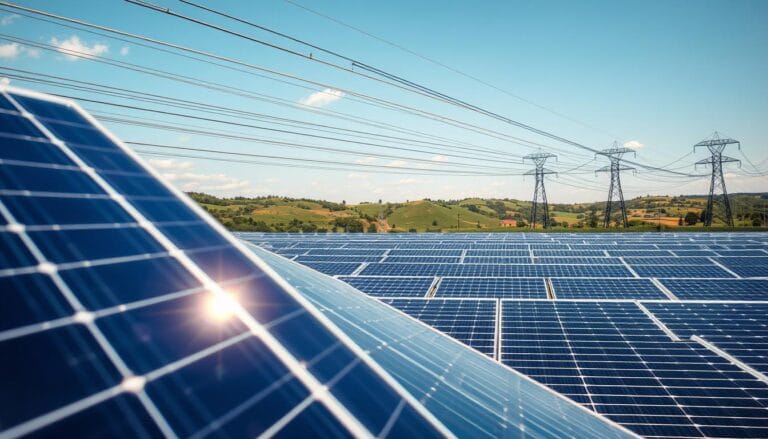
PV systems reduce reliance on fossil fuels and lower greenhouse gas emissions by supplying electricity from a clean, abundant energy source. Modern systems include innovations such as bifacial panels that collect light from both sides, concentrated PV cells for high‑intensity applications, and trackers that increase annual yield. Large solar projects—utility solar farms as well as rooftop installations—demonstrate how solar energy can scale from a single solar energy home to grid‑scale production.
For homeowners considering installing solar, assess local irradiance, panel efficiency, and payback estimates; see the Energy Payback section later in this article for a step-by-step guide and calculator link.
Environmental Benefits of Solar Power
Solar energy delivers clear environmental benefits that make it a cornerstone of clean energy strategies. By generating electricity from sunlight rather than burning fossil fuels, solar power cuts greenhouse gas emissions, improves air quality, and reduces the carbon footprint of electricity production.
GHG Reductions and Carbon Benefits
Replacing fossil fuel generation with solar can significantly lower greenhouse gas emissions over a system’s lifetime. A typical residential solar installation (about 6 kW) can avoid roughly 3–6 metric tons of CO2 per year depending on your regional grid mix — a meaningful reduction in household carbon emissions. These avoided emissions add up as more solar panels are installed across homes and large projects, helping utilities and communities meet decarbonization targets.
Water and Resource Advantages

Solar panels consume far less water during operation than thermal power plants. Solar PV systems require minimal water for maintenance compared with coal, nuclear, or large hydro facilities, making solar a strong option in water‑stressed regions. Advances in manufacturing also mean newer panels use less material and energy per watt produced, improving lifecycle environmental performance.
- Solar power replaces fossil fuels like coal and natural gas, cutting emissions of carbon dioxide and methane tied to electricity production.
- Wider adoption of solar energy supports a more stable, potentially lower‑cost energy future by diversifying the energy mix and reducing fuel dependence.
- Ongoing technology improvements and cleaner manufacturing practices are reducing the embodied impacts of solar panels, improving the benefits of solar energy over time.
These advantages make solar energy both an effective environmental tool and a practical investment for homeowners and communities. To see personalized impact, use the household emissions calculator linked in the Energy Payback section to estimate how much CO2 a typical solar energy home could avoid each year.
Energy Payback from Solar Systems
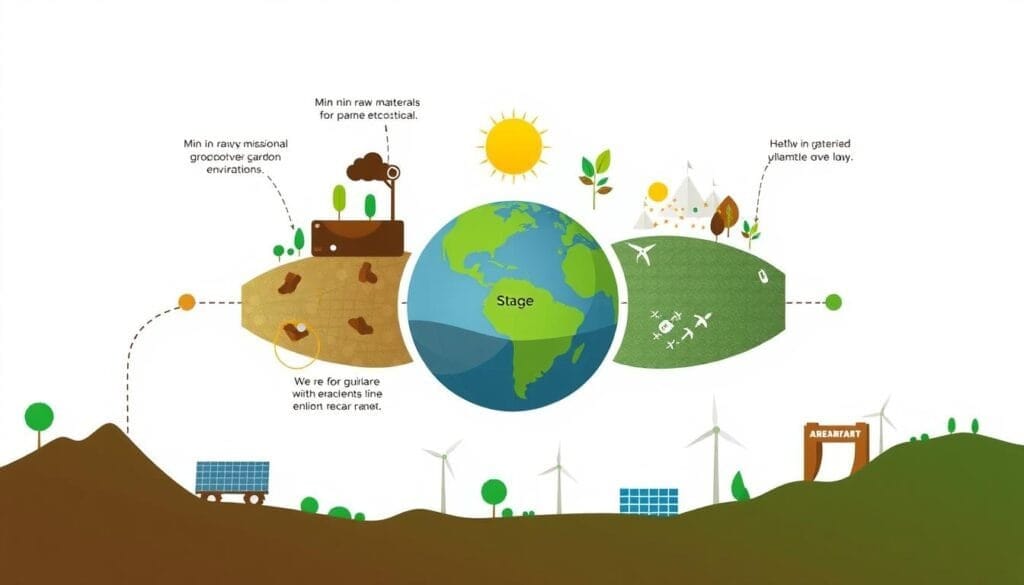
The concept of energy payback helps measure how quickly a solar system repays the energy invested in its manufacture, transport, and installation through the clean electricity it produces. Improvements in module manufacturing, higher module efficiency, and system design have steadily shortened payback times, improving the overall sustainability of solar energy.
Lifecycle improvements mean modern solar panels typically require less embodied energy per watt produced than older models. The full solar panel lifecycle — from raw material extraction to recycling — now results in faster energy payback in many regions, especially where sunlight (insolation) is high.
Assessing the Lifecycle of Solar Panels and Energy Production
Typical energy payback varies by panel technology and location. Multicrystalline-silicon modules commonly show payback on the order of 3–5 years in many markets, while thin-film modules can be in the 2–4 year range depending on the manufacturing process and local sunlight. Higher annual production (due to bright sun or tracking systems) shortens payback; lower insolation regions will see longer payback times.
Future manufacturing advances, lighter materials, and cleaner energy inputs to production are expected to reduce those windows further over time, improving the net environmental benefit of each installed system.
The Lifespan of PV Systems and Operational Sustainability
After a system reaches energy payback, it continues producing low‑emission electricity for many years. Most modern PV systems are designed to operate for 25–30 years or longer, generating the bulk of their energy output well after payback. Over that operational lifetime, a properly sited solar array displaces fossil‑fuel electricity and contributes significantly to emissions avoided.
| System TypeTypical Energy Payback (Years)Anticipated Payback with Advances (Years)Example Emissions Avoided (Tons CO2 over 30 years) | |||
| Multicrystalline-Silicon | ~3–5 | ~2–3 | ~50–150 (depends on grid mix) |
| Thin-Film | ~2–4 | ~1–2 | ~50–150 (depends on grid mix) |
Assumptions: payback estimates depend on manufacturing energy mix, module efficiency, system size, and local insolation. Emissions avoided are approximate and use a range based on typical U.S. grid carbon intensities; local figures will vary.
Practical example: a 6 kW rooftop system in a sunny U.S. region may reach energy payback in 2–3 years and avoid several tons of CO2 annually compared with grid electricity. For a more precise estimate tailored to your home, use the Energy Payback calculator linked in this guide and factor in solar production, system losses, and any energy storage you add.
Is solar energy sustainable: Analyzing the Materials and Production
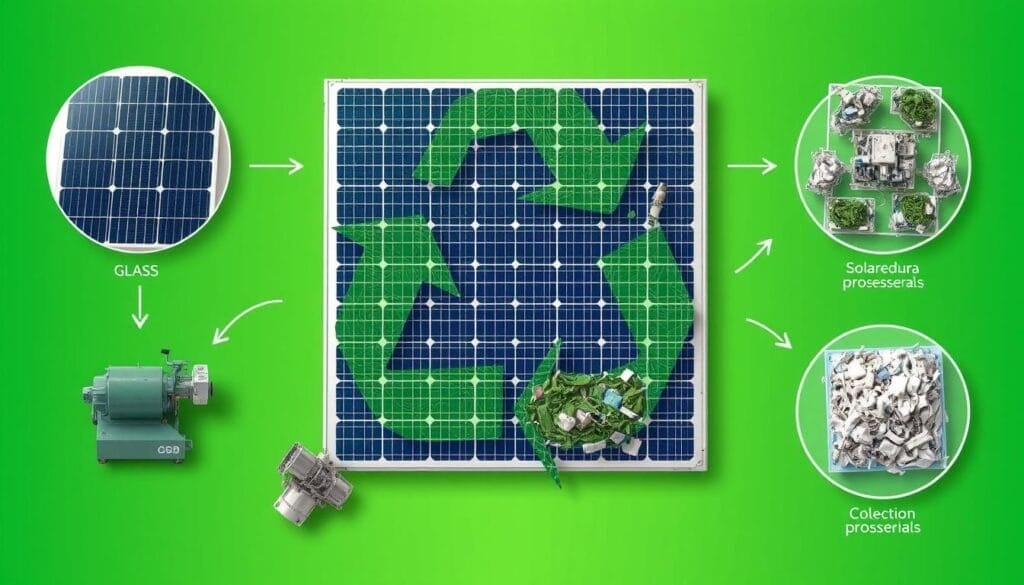
The rapid growth in solar energy production raises important questions about long‑term sustainability. To evaluate solar’s true environmental impact we must examine the materials used, the energy and emissions embedded in manufacturing, and how panels are handled at end of life.
Primary Materials and Their Footprints
Modern PV modules combine several core materials—silicon (the most common), glass, aluminum framing, copper wiring, and small amounts of silver and other metals. Thin‑film modules may use different semiconductors such as cadmium telluride (CdTe) or CIGS (copper indium gallium selenide). Each material has a distinct extraction and processing footprint: silicon production requires energy‑intensive purification, while mining for silver and rare metals can cause localized environmental and social impacts.
Environmental Costs of Extraction and Manufacturing
Producing PV-grade silicon and fabricating modules consumes energy and can generate emissions depending on the electricity mix used in manufacturing. This embodied energy is part of the lifecycle assessment that determines a panel’s environmental payback. While the operation of solar panels produces little to no emissions, upstream impacts (mining, smelting, glass production) contribute to the system’s overall footprint and must be managed to maximize benefits over fossil fuel alternatives.
Handling Hazardous Chemicals in PV Manufacturing
Certain PV technologies or manufacturing steps involve potentially hazardous substances—examples include small quantities of lead in solder, or cadmium in some thin‑film cells. Modern manufacturing standards and environmental regulations, together with worker safety protocols and containment systems, reduce the risk of emissions and exposure. Still, clear regulation, transparent supply chains, and safer chemistries are important to minimize pollution and health risks.
End-of-Life: Recycling and Waste Management
End-of-life management is critical as installed capacity ages. Recycling can recover valuable materials (glass, aluminum, silicon, copper, silver) and reduce the need for virgin extraction. Recent projections estimate large cumulative waste volumes by mid‑century if reuse and recycling don’t scale—so expanding recycling infrastructure and product‑takeback programs is essential for sustainable growth. Pilot recycling processes (mechanical separation, thermal and chemical recovery) are already in development, and policy incentives can accelerate commercial recycling systems.
Buyers and installers can help by asking suppliers about material sourcing, recycling commitments, and product stewardship programs. Clear procurement standards and support for recycling pilots will lower the lifecycle carbon and pollution footprint of solar projects as the industry scales.
Impacts of Solar Energy on Wildlife and Ecosystems
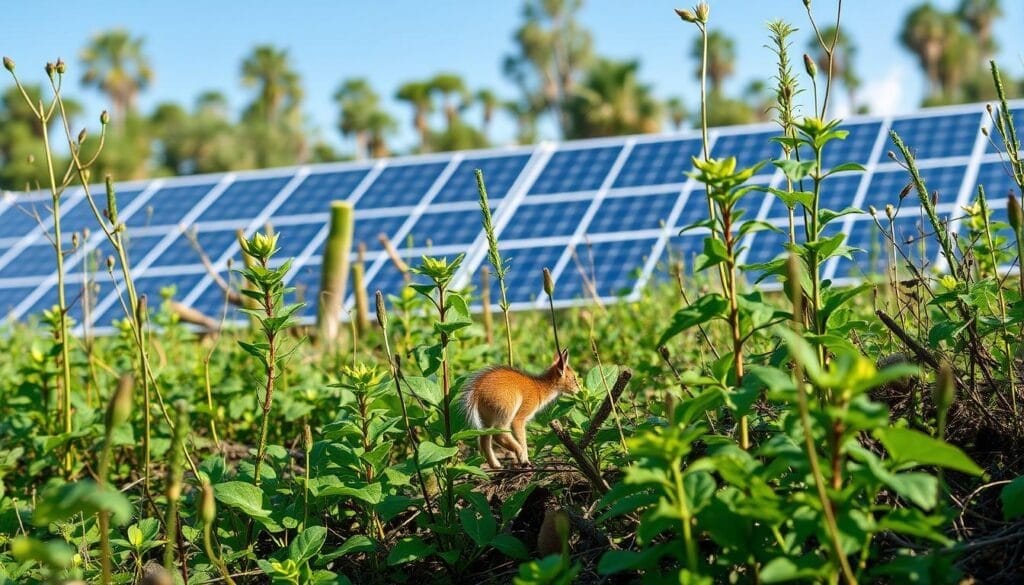
Expanding solar energy helps reduce carbon emissions, but large solar projects can pose local risks to wildlife and habitats if not sited and managed carefully. Understanding those trade-offs lets planners and communities balance energy goals with conservation.
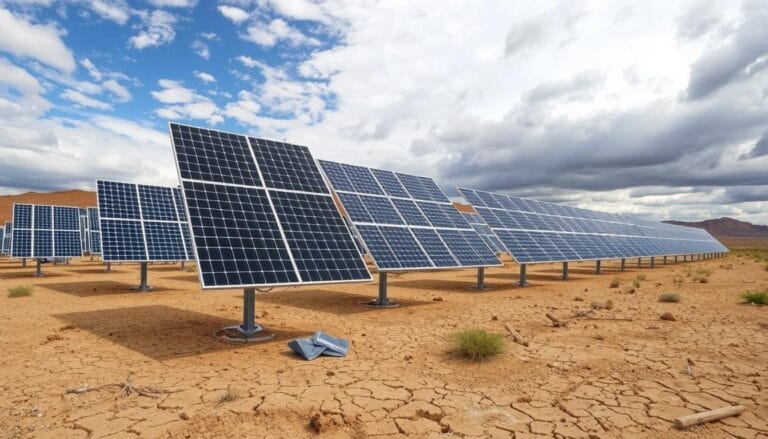
Large ground‑mounted solar farms can cause habitat loss, fragmentation, and changes in land surface conditions that affect native plants and animals. Species such as desert tortoises and certain ground‑nesting birds have been documented as vulnerable to poorly sited developments in arid regions; similar concerns apply to grassland and wetland species where important habitat is converted.
- Construction and grading can increase soil erosion and change hydrology, reducing food and water availability for native species.
- New lighting, fences, and human activity can alter animal behavior, increase predation pressure, or disrupt migration and nesting patterns.
Mitigation and Best Practices
Site selection is the single most effective way to reduce impacts: prioritize previously disturbed, degraded, or low‑conservation‑value lands instead of intact ecosystems. When projects are placed near sensitive habitat, mitigation and adaptive management are essential.
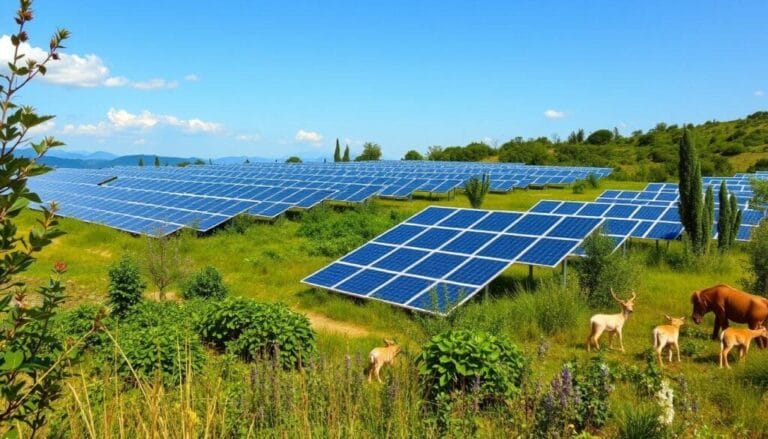
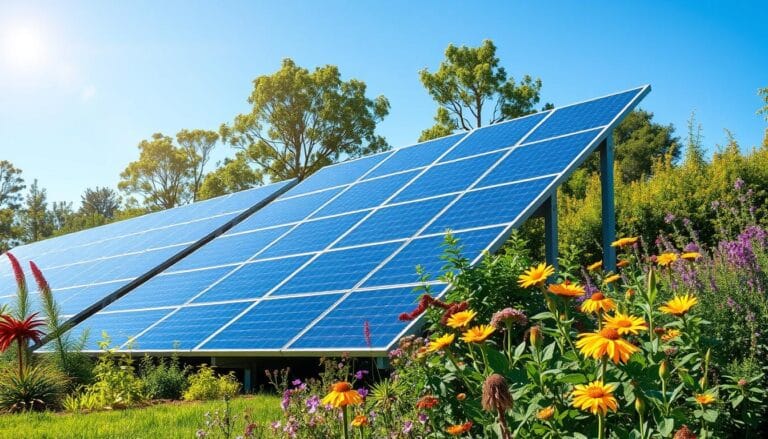
Practical mitigation measures include pre‑construction ecological surveys, setting exclusion buffers around sensitive areas, using non‑reflective panel coatings, installing bird diverters on overhead lines, and maintaining wildlife corridors. Agrivoltaics and pollinator‑friendly ground covers are examples of design approaches that can support biodiversity while hosting panels.
Monitoring, Adaptive Management, and Case Examples
Implement continuous monitoring and commit to adaptive management: collect baseline data, monitor post‑construction impacts, and adjust operations based on findings. The U.S. Department of Energy’s review of solar impacts on wildlife and ecosystems provides guidance and research gaps that developers can use to shape mitigation plans.
Some solar projects have successfully integrated habitat improvements—examples include installations that restore native prairie under arrays or combine grazing with solar operations—showing that carefully designed projects can deliver both energy and ecological benefits.
In short, solar energy and wildlife can coexist when developers follow science‑based siting, mitigation, and monitoring practices. Early consultation with ecologists, regulators, and local stakeholders helps reduce environmental impact and supports long‑term project success.
Water Usage in Solar Energy Production
Solar energy is a growing source of renewable energy, and understanding its water footprint is important for protecting local ecosystems—especially in arid regions. Different solar technologies and operational practices have markedly different water needs.
The Need for Water in Cleaning Solar Collectors
PV panels require occasional cleaning to maintain energy production, but the water demand for cleaning is modest compared with thermal power plants. Routine washing for utility systems is often measured in liters or gallons per MW‑hour of output; practical maintenance programs typically use between roughly 0.5 and 2 gallons per MWh for washing, depending on soiling rates and cleaning method. Many manufacturers and large producers are reducing water use through automated dry‑brushing systems and recycled‑water processes—some reported facility‑level reductions (for example, by vendors like Trina Solar in published sustainability reports) as manufacturers optimize processes.
Impact of Water Usage by Solar Power Plants on Local Ecosystems
The biggest water demands in the solar sector come from concentrated solar power (CSP) plants that use steam cycles and cooling—these can use hundreds of gallons per MWh if wet cooling is employed (typical ranges cited in literature are on the order of 500–800 gallons/MWh for wet‑cooled CSP, though dry‑cooled CSP uses far less). By contrast, PV systems primarily use water for occasional cleaning and do not require water for electricity generation, so their operational water footprint is generally minimal compared with coal, nuclear, or hydroelectric generation.
For context, lifecycle and operational water use varies widely by technology and cooling approach. When evaluating impacts, compare technologies on consistent units (gallons per MWh) and note whether figures include manufacturing and lifecycle water or only operational use.
| Energy SourceWater Usage per MWh (approx.)Notes | ||
| Solar PV (cleaning/operation) | ~0.5–2 gallons | Low operational use; varies with cleaning method |
| Concentrated Solar Power (wet cooling) | ~500–800 gallons | High if wet cooling used; dry cooling reduces demand |
| Coal-fired | ~500–1,100 gallons | Depends on plant design and cooling |
| Nuclear | ~400–800 gallons | Varies by cooling and plant design |
| Hydroelectric | Variable (evaporation dominant) | Very site-specific; large reservoirs increase evaporation losses |
Best Practices to Reduce Water Use
Key strategies include dry cleaning tools, automated brushes, using reclaimed water for washing, dry cooling for CSP, and floating PV on reservoirs to both save evaporation and slightly boost panel output. Floating solar deployments (mounted on water bodies) can reduce land use and, in some cases, lower evaporation while improving module efficiency due to cooling—project savings vary by site but are a promising option where water and land use intersect.
In short, while some solar technologies (CSP with wet cooling) can be water‑intensive, most PV systems have a low operational water footprint. Choosing appropriate technologies and water‑efficient maintenance practices helps align solar power deployment with local water‑conservation goals.
Minimizing Land Use and Promoting Biodiversity
Developing solar energy projects must balance energy production with protecting native landscapes and local ecosystems. Thoughtful site selection and land management let solar projects provide clean energy while supporting biodiversity and, in some cases, agricultural uses.
Site Selection Best Practices for Solar Installations
Prioritize previously disturbed, degraded, or lower‑value lands (brownfields, former industrial sites, parking canopies, and rooftop arrays) to avoid converting prime farmland or intact habitat. As a rule of thumb, aim to site new utility projects on lands with low conservation value; many guidance documents recommend avoiding key habitat and maintaining buffer zones (commonly 50–200 meters depending on species sensitivity) around sensitive areas. Early ecological surveys and consultation with wildlife agencies reduce unexpected impacts and permitting delays.
Coexistence: Solar Farms, Agriculture, and Native Landscapes
Agrivoltaics—co‑locating solar panels with crops, grazing, or pollinator habitat—lets farms and solar projects coexist. Examples include sheep grazing under arrays or planting native wildflower mixes to support pollinators. These approaches can improve land productivity, reduce maintenance costs, and increase biodiversity compared with conventional groundcover.
Practical Checklist for Developers
- Conduct pre‑construction ecological and soils surveys to identify sensitive species and habitat.
- Prefer disturbed lands and rooftops; avoid intact grasslands, wetlands, and critical habitat when possible.
- Design buffers and wildlife corridors; maintain connectivity for moving species.
- Use pollinator‑friendly seed mixes and minimize heavy grading to preserve soil structure.
- Implement long‑term monitoring and adaptive management tied to permit conditions.
Case studies from regions such as California’s Central Valley show promising models where dual land uses and pollinator programs have been implemented at scale; however, outcomes depend on local design, species present, and community engagement. Providing developers with clear “do / don’t” guidelines and seed‑mix recommendations (native, drought‑tolerant species) helps standardize best practice across solar projects.
When properly sited and managed, solar projects can reduce pressure on natural ecosystems, support local biodiversity, and deliver renewable energy without sacrificing landscape values.
Advancements in Solar Technology and Efficiency
The solar energy field is evolving rapidly. Advances in PV efficiency, new materials, and system‑level innovations are making solar systems more productive and flexible—helping reduce costs and expand the role of solar power across homes, businesses, and utility projects.
Innovations in PV Efficiency and Performance
Photovoltaic technology has seen major gains: commercial modules now commonly range from ~18% to >22% efficiency for residential mono‑crystalline panels, while laboratory and multi‑junction cells have reached much higher records under controlled conditions. Emerging materials such as perovskites and silicon‑perovskite tandems promise higher commercial efficiencies in the coming years.
System improvements also raise production: bifacial panels capture reflected light from both sides, and single‑axis trackers can increase annual energy yield—often by up to about 15–25% depending on site latitude and system configuration. Together, module and system upgrades mean more electricity per panel and lower levelized costs of energy.
Advances in energy storage are equally important: improved battery technologies and declining battery costs enable systems to store daytime solar production for evening use, increasing the share of solar energy that offsets fossil fuel generation.
Trends in Clean Energy Technology and Green Energy Initiatives
Beyond panels and storage, innovations include building‑integrated photovoltaics (solar tiles and windows), AI and machine learning for performance optimization and predictive maintenance, and floating solar (FPV) installations that benefit from module cooling and can deliver modest production gains—often cited around 5–10% depending on site conditions.
Thin‑film technologies (e.g., CdTe, CIGS) remain attractive for certain applications where lower weight or flexible form factors matter. The practical landscape separates today’s commercial options (high‑efficiency silicon, bifacial modules, proven battery pairings) from near‑term commercialize‑able advances (perovskite tandems, wider FPV adoption) and longer‑term lab records (multi‑junction cells approaching theoretical maxima).
For developers and homeowners, the takeaway is clear: technology advances continually improve the benefits of solar, increasing energy production per area and enabling new project types. Stay tuned to SETO and NREL updates for the latest commercial readiness timelines and research highlights.
Regulatory Framework and Environmental Policies
Understanding the regulatory framework and environmental policies that govern solar energy is essential for minimizing environmental impacts and encouraging responsible deployment. The U.S. policy landscape combines tax incentives, market rules, and R&D programs that shape how solar systems are built, operated, and disposed of.
U.S. Environmental Laws Governing Solar Energy Use and Disposal
Federal and state policies have long supported renewable energy deployment. Notable examples include PURPA (the Public Utility Regulatory Policies Act of 1978), which historically required utilities to purchase power from qualifying generators and helped jump‑start distributed renewable projects, and the Investment Tax Credit (ITC), which provides a significant tax incentive for many solar installations. Additionally, accelerated depreciation rules (MACRS) offer commercial projects favorable tax treatment that lowers upfront costs and supports broader solar projects and system adoption.
Efforts from SETO and NREL in Managing Solar Energy’s Environmental Impact
The Solar Energy Technologies Office (SETO) and the National Renewable Energy Laboratory (NREL) drive research to reduce costs, improve reliability, and shrink the environmental footprint of solar technology. SETO’s research priorities include lowering the levelized cost of solar and enabling durable, recyclable systems, while NREL provides lifecycle assessments, deployment tools, and guidance that inform better policy and project design.
Policy mechanisms such as net metering, renewable portfolio standards, and solar renewable energy credits (SRECs) further shape economics and grid integration, encouraging more solar energy production and supporting local markets. Emerging policies increasingly address end‑of‑life management and recycling to ensure that large numbers of solar panels installed today do not become tomorrow’s waste problem.
| PolicyDescriptionImpact | ||
| ITC | Federal tax credit for qualifying solar installations | Reduces upfront costs and encourages residential and commercial solar investment |
| MACRS | Five‑year accelerated depreciation for qualifying energy property | Improves project economics for commercial and utility systems |
| PURPA | Requires utilities to consider purchases from qualifying small producers | Historically stimulated distributed renewable projects; application varies by state |
| SETO & NREL R&D | Federal research programs focused on cost, reliability, and environmental performance | Accelerates technology advances and informs best practices and policy |
Policy implications for different audiences:
- Homeowners: explore available federal and state incentives (ITC, state rebates, net metering) to lower costs of installing solar and energy storage.
- Developers: factor tax treatment, interconnection rules, and permitting requirements into project planning; anticipate growing regulatory focus on recycling and land use.
- Policymakers: balance incentives for deployment with standards for lifecycle management, recycling, and habitat protection to ensure long‑term sustainability.
For up‑to‑date details, consult official resources (IRS guidance on ITC/MACRS, state energy offices, and DOE/SETO and NREL publications). Linking policy, technology, and environmental safeguards will help scale solar energy while minimizing negative impacts and reducing reliance on fossil fuels.
Conclusion
Reviewing solar energy sustainability shows clear environmental and economic advantages: improving panel efficiency, falling system costs, and expanding deployment are all helping to decarbonize electricity production. Solar power supports energy sustainability and energy independence for many communities while creating jobs across the value chain.
Solar panels generally have rated lifespans of about 25–30 years, and many systems continue producing useful electricity beyond that timeframe with modest degradation. Over their operational life, properly sited solar panels installed at scale displace fossil fuel generation and reduce the carbon footprint of the energy system.
At a national level, widespread solar adoption contributes materially to emissions reductions in the electricity sector — exact figures depend on the baseline grid mix and deployment scale — and solar’s low operational water use and near‑silent operation make it an attractive clean energy choice for many settings. Solar also brings reliable, affordable electricity to remote and underserved communities, improving resilience and local economic prospects.
To realize these benefits while minimizing environmental impact, continue improving manufacturing practices, expand recycling and end‑of‑life programs, and apply science‑based siting and monitoring on solar projects. When paired with storage and smart grid measures, solar energy strengthens both local energy security and broader decarbonization goals.
Key Actions
- Homeowners: evaluate solar energy home options and potential savings; check federal and state incentives to lower costs of installing solar panels.
- Developers: follow best practices for siting, habitat protection, and supply‑chain transparency; plan for recycling and takeback.
- Policymakers: align incentives with lifecycle management, recycling infrastructure, and habitat protection to ensure long‑term sustainability.
FAQ
Is Solar Energy Sustainable?
What Is the Environmental Impact of Solar Energy?
How Do Solar Panels Convert Sunlight into Electricity?
What Role Do Photovoltaic (PV) Systems Play in Sustainable Energy?
What Are the Benefits of Solar Power?
What Is the Energy Payback from Solar Systems?
How Do Materials and Production Impact Solar Energy Sustainability?
How Are Hazardous Chemicals Handled in Solar Panel Production?
What Happens to Solar Panels at the End of Their Life?
How Does Solar Energy Affect Wildlife and Ecosystems?
How Much Water Is Used in Cleaning Solar Collectors?
What Is the Impact of Water Usage by Solar Power Plants on Local Ecosystems?
What Are the Best Practices for Solar Farm Site Selection?
How Can Solar Farms Coexist with Agriculture and Native Landscapes?
What Are the Latest Advancements in Solar Technology and Efficiency?
What Efforts Are Being Made by Organizations like SETO and NREL?
How Do U.S. Environmental Laws Govern Solar Energy Use and Disposal?