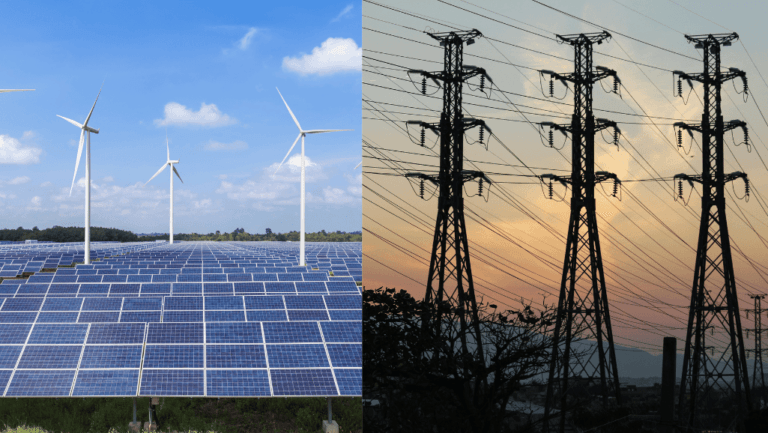
Ready to harness the power of the sun? Solar tax credits make switching to clean energy more affordable by cutting the upfront cost of a home solar system. The federal solar investment tax credit (ITC) currently allows homeowners to claim 30% of qualifying solar panels and related system costs as a dollar-for-dollar tax credit, lowering the amount of federal tax you owe.
Homeowners who install qualifying systems in the current ITC period can claim the credit on their federal return. For example, a $15,000 solar system could result in a $4,500 tax reduction. The solar energy systems tax credit applies to both new and existing home properties you own, helping many homeowners cut costs for a long-term energy upgrade.
Advances in equipment and installer experience have driven down installation times and overall costs, and many states add incentives that boost your total savings. Check with your local utility or state program to see available rebates that stack with the federal solar tax credit. Ready to see if you qualify? Contact a certified installer for a free estimate and tax-claim guidance.
Key Takeaways
- Federal solar tax credit covers 30% of eligible installation costs
- Credit applies to qualifying systems installed during the current ITC period — verify exact eligibility dates before you install
- Applies to both new and existing homes you own
- No general lifetime dollar limit for the residential credit (some exceptions apply — see IRS guidance)
- Can be combined with state-level incentives and utility rebates for greater overall savings
- Encourages adoption of renewable energy and reduces your household carbon footprint
Understanding the Federal Solar Tax Credit
The federal solar tax credit, commonly called the Investment Tax Credit (ITC), is a key federal tax credit that lowers the upfront cost of going solar. It directly reduces the amount of federal tax you owe — making clean energy investments more affordable for homeowners.
What is a Tax Credit?
A tax credit cuts your tax bill dollar for dollar. That differs from a tax deduction, which only lowers your taxable income. Because the ITC is a credit, it can produce larger immediate savings for homeowners who qualify.
The Federal Solar Tax Credit Explained

The ITC lets you claim a percentage of qualified solar PV system costs on your federal return. Qualified costs typically include solar panels, inverters, wiring, mounting hardware, and related installation labor. Starting with systems installed after 2022, qualifying storage equipment (batteries) with capacity of 3 kilowatt-hours or greater is also eligible when installed with the solar system.
Credit Percentages Over Time
The solar tax credit percentage has changed over the years; use this clear timeline (confirm dates with IRS guidance when you plan your project):
- 30% for systems installed in certain earlier years and reinstated for the 2022–2032 period
- 26% for installations in 2033
- 22% for systems installed in 2034
Example calculation: if your qualifying system costs $20,000, a 30% credit would reduce your federal tax bill by $6,000 (0.30 × $20,000 = $6,000). For the most current information on exact year ranges and percent values, check the IRS website or consult a tax professional.
Eligibility Criteria for Solar Tax Credits
Understanding who qualifies for residential solar tax credits helps homeowners decide whether a solar investment is right for their home. Eligibility is based on when the system is placed in service, where it’s installed, and who owns the equipment.
Installation Date Requirements
The federal solar tax credit applies to systems placed in service during the current ITC timeframe; the most relevant phase provides a 30% tax credit for qualifying installations during the 2022–2032 period, with scheduled step-downs afterward. Before you install, confirm exact year cutoffs with the IRS or your tax advisor to ensure your project meets the correct dates.
- 30% for qualifying systems placed in service during the main 2022–2032 window
- 26% for systems placed in service in 2033
- 22% for systems placed in service in 2034
Property Ownership and Location
To qualify, the solar PV system must serve a residence in the United States that you own. Eligible locations generally include your primary and secondary homes. Some state-level community solar arrangements that credit your electricity bill also qualify — verify the specific program rules to confirm eligibility.
System Ownership and Original Installation

You must own the solar equipment (either via cash purchase or financing) to claim the residential tax credit. Leased systems and most third-party power purchase agreements (PPAs) are not eligible for the homeowner’s credit because the system owner, not the resident, claims the credit. The system must be new or newly placed in service for the first time.
| Eligibility FactorRequirement | |
| Installation Period | Qualifying placement in service during ITC period (see IRS for exact dates) |
| Property Type | Owned U.S. residence (primary or secondary) |
| System Ownership | Homeowner-owned (cash purchase or financed purchase) |
| Installation Status | New or first-time placed in service |
Meeting these criteria allows you to claim the residential clean energy credit and reduce your federal tax liability. Keep proof of ownership, purchase invoices, and the date the system was placed in service — these documents are essential when you file. If you’re unsure whether your situation qualifies (for example, with community solar or special financing), consult a tax professional to avoid surprises.
Qualifying Expenses for Solar Tax Credits
The Residential Clean Energy Credit (the residential form of the ITC) provides a percentage-based credit on qualified system costs—30% for the primary 2022–2032 window, stepping down to 26% in 2033 and 22% in 2034. These solar installation tax benefits apply to many of the direct costs of installing a home solar system.
Common eligible expenses include:
- Solar electric panels and modules
- Solar water heaters used for residential hot water
- Contractor labor costs for on-site preparation, assembly, and original installation
- Balance-of-system equipment such as inverters, wiring, racking and mounting hardware
- Energy storage devices with capacity of 3 kilowatt-hours (kWh) or greater when installed with the solar system
- Sales taxes and permitting fees on eligible items
Exclusions and special notes: structural modifications made solely to support the solar array (for example major roof replacement not required for installation) typically do not qualify. Also note that any rebates, utility incentives, or other subsidies must be subtracted from the eligible cost basis before you calculate the credit.
How to calculate the credit (simple example): if your qualifying system costs $18,000 after subtracting rebates, a 30% credit equals $5,400 (0.30 × $18,000 = $5,400). Keep itemized invoices showing equipment, labor, and installation dates — these documents are necessary when you complete IRS Form 5695 to claim the residential clean energy credit.
| YearCredit Percentage | |
| 2022-2032 | 30% |
| 2033 | 26% |
| 2034 | 22% |
Federal and DOE estimates vary by system size and local costs, but tax savings on a typical residential installation can be substantial—often several thousand dollars. Save all receipts, contractor contracts, and proof of the date the system was placed in service. If you have questions about specific eligible expenses (for example, whether a home electrical panel upgrade or roof work qualifies), consult a tax professional or your installer before you file.
How Solar Tax Credits Affect Your Taxes
The solar investment tax credit (ITC) can materially lower your federal tax bill and improve the return on a residential system purchase. Understanding how the credit is calculated, how unused amounts are handled, and how it interacts with other programs will help you plan your project and your taxes.
Calculating Your Tax Credit

The federal tax credit allows you to claim a percentage of qualifying system costs as a dollar-for-dollar reduction in federal tax liability. For example, a 30% credit on an $20,000 qualifying installation equals a $6,000 reduction in tax (0.30 × $20,000 = $6,000). Qualifying costs usually include equipment, installation labor, permitting fees, and related expenses — keep detailed invoices for each.
Carryforward Provisions
If your tax credit in a given year exceeds the federal income tax you owe, the unused portion may be carried forward to the next tax year(s) under current rules. This allows homeowners to eventually use the full credit even if their current-year tax amount is too small. Check current IRS guidance for the exact carryforward period and rules before filing.
Interaction with Other Tax Benefits
The residential ITC generally works alongside other credits and incentives, but interactions can affect how you calculate the eligible basis. For example, utility rebates or cash incentives typically must be subtracted from the project cost before calculating the federal credit. Some state credits may use a system’s cost basis in different ways; in some cases, state incentives can affect your federal taxable income or reduce the eligible amount for other programs. Because these rules vary by program and state, verify how to report other incentives when you claim tax credit on your return.
| YearFederal Credit PercentageEligible Expenses | ||
| 2023-2032 | 30% | Equipment, installation, permits |
| 2033 | 26% | Equipment, installation, permits |
| 2034 | 22% | Equipment, installation, permits |
Important filing notes: the residential credit is non-refundable — it can reduce your federal tax liability to zero, but you will not receive a refund for any excess. To claim credit, homeowners typically complete IRS Form 5695 (Residential Clean Energy Credit) and transfer the credit amount to the appropriate line on Form 1040. Because small differences in income, state programs, or the amount of rebates can change results, consult a tax professional if your credit is large or you aren’t sure how to report related benefits.
State-Level Solar Incentives and Rebates

Texas shines bright in the solar energy landscape, offering various incentives to make green energy more accessible. The Lone Star State ranks second nationally for solar power, with abundant sunshine making it ideal for solar energy installations. Below are examples of state and utility programs and how they can stack with the federal credit to maximize your savings.
Texas Solar Incentives
Texas offers a mix of solar panel rebates, utility programs, and tax provisions that can reduce the net costs of going solar. A commonly cited benefit is broad property tax treatment for renewable energy systems—many jurisdictions provide exemptions or favorable assessment rules so adding a system doesn’t raise your property tax burden. Always confirm local rules, because property treatment can vary by county or city.
| ProgramIncentive | |
| Oncor Residential Solar Program | Up to $9,000 |
| CenterPoint Energy Residential Solar Program | $225 per kW or $0.08 per kWh |
| AEP Texas SMART Source Solar PV Program | Up to $3,000 |
| Austin Energy Solar PV Rebate | Up to $2,500 |
Combining State and Federal Incentives
When you pair state or utility incentives with the federal solar tax credit, your overall savings increase. The federal credit reduces your federal tax liability by a percentage of qualifying system costs (30% in the primary ITC window). For example, a typical 6 kW home solar system costing $17,700 could see roughly $5,300 in federal tax credit alone; state and utility rebates would reduce out-of-pocket costs further. Keep in mind utility rebates and state incentives may need to be subtracted from the project cost when calculating the federal credit—check program rules and consult your installer or tax advisor.
Finding Local Solar Incentives
Incentive programs vary widely by state and utility. To locate current offers, search the Database of State Incentives for Renewables & Efficiency (DSIRE) and contact your local utility for program details and application deadlines. Common utility rebates include:
- American Electric Power: $500 to $3,000 for installations (varies by program)
- CPS Energy: Up to $2,000 for solar water heaters
- Denton Municipal Electric: $2,400 to $30,000 for installations (program dependent)
With federal, state, and utility incentives combined, payback periods can shrink significantly—often to under a decade depending on system size, local electric rates, and available incentives. Before you commit, confirm program availability, application windows, and any paperwork requirements so you don’t miss rebates that could lower your final costs.
Solar Tax Credits for Businesses vs. Residential
Solar tax credits deliver financial incentives for both homeowners and businesses that invest in solar. The federal Investment Tax Credit (ITC) serves as a central policy tool: it reduces federal tax liability by a percentage of qualifying system costs and helps make solar panels and related equipment more affordable.
For homeowners, the residential ITC lets you claim a percentage of your qualifying installation costs as a credit. If the credit exceeds your tax liability in the year you claim it, the unused portion may be carried forward under current rules so you can still benefit over time.
Businesses can also claim the ITC, but commercial projects often have additional options and rules. The business ITC starts from the same base percentage and may be increased by bonus credits for factors such as domestic component manufacturing or locating projects in designated energy communities. Businesses may also use tax tools like bonus depreciation that are not available to residential taxpayers, which can change the overall tax outcome.
Key differences to keep in mind:
- Residential: The credit applies to qualifying systems on primary or secondary residences you own. Leased systems and most third-party PPAs generally do not qualify for the homeowner’s credit because the system owner — not the resident — claims the credit.
- Business: Commercial installations, including some rental property systems, may qualify under different IRS rules. These projects can be eligible for additional incentives or adjusted credit percentages when they meet specific requirements (for example, domestic content or energy community bonuses).
- Carryover and filing: Residential credits are non-refundable but often allow carryforward of unused credit; commercial projects follow different carryforward and interaction rules with depreciation and other tax treatments.
Example to illustrate the scale: a typical 6 kW residential system might qualify for a 30% credit on a $18,000 installed cost (roughly a $5,400 federal tax credit). A 100 kW commercial system has higher absolute costs and may be eligible for bonus credits that increase the effective percentage, making professional tax planning important.
Next steps: homeowners should get an estimate from a licensed installer and confirm eligibility before signing contracts. Businesses should consult a commercial tax advisor to evaluate ITC optimization, safe-harbor rules, and potential bonus credits. Staying informed will help you choose the right path and maximize the available credit.
| AspectResidential Solar Tax CreditsCommercial Solar Tax Incentives | ||
| Credit Percentage (typical) | Base percentage (e.g., 30%) | Base percentage (e.g., 30%) with potential additional credits |
| Eligibility | Primary and secondary residences owned by taxpayer | Business properties, potentially including rentals under certain rules |
| Credit Carryover | Often allowed for unused credit (confirm current IRS rules) | Different rules; interacts with depreciation and other tax treatments |
| Additional Benefits | Limited to tax credit | May qualify for bonus credits and bonus depreciation |
Maximizing Your Solar Investment with Tax Credits
To get the most from the solar investment tax credit, timing and documentation matter. The ITC’s highest percentage applies to qualifying installations placed in service during the main 2022–2032 window; the credit then phases down (26% in 2033, 22% in 2034). Because rules and dates can change, plan with your installer and tax advisor so you capture the maximum available benefit.
Timing Your Solar Installation
Schedule your project deliberately: contracting, permits, and the date the system is placed in service determine which year’s credit you can claim. Even small timing shifts can move a project into a lower-percentage year, so confirm expected installation and interconnection timelines with your installer and utility.
Documentation and Record-Keeping Tips
Keep organized records to substantiate your claim when you claim credit on your return. Essential documents include:
- Final contractor invoice(s) with line-item equipment and installation costs
- Proof of payment and financing statements (if applicable)
- Manufacturer model numbers for panels, inverters, and any qualifying storage
- Permits, inspection sign-offs, and the date the system was placed in service
Note: financing interest is generally not eligible; include only qualifying equipment, labor, permitting, and sales tax when calculating the credit.
Working with Tax Professionals
If you’re ready to claim tax benefits, consult a tax professional experienced with renewable energy credits. Homeowners typically use IRS Form 5695 (Residential Clean Energy Credit) to calculate the credit and then report the result on Form 1040. A tax advisor can verify the correct amount to claim and advise on carryforward rules if your credit exceeds current-year tax liability.
“The federal solar tax credit is a dollar-for-dollar reduction in federal tax equal to a percentage of qualifying solar system costs” — see IRS guidance for exact filing steps.
Practical next steps: confirm installation timing with your installer, gather invoices and permit documents as the work completes, and schedule a tax review before filing. For convenience, consider downloading a tax-document checklist or requesting a free estimate from a licensed installer to lock in timelines and expected savings.
Future Outlook for Solar Tax Credits
The long-term prospects for the solar tax credit remain a central factor in homeowners’ and businesses’ decisions to invest in solar. Federal tax credit policy and other energy incentives shape market growth, grid planning, and the financial return on solar projects.
Projected changes through 2034
Under current federal law the Investment Tax Credit (ITC) provides an elevated federal tax credit rate (30%) for qualifying systems during the main 2022–2032 window, with scheduled step-downs to 26% in 2033 and 22% in 2034. Some legislative analyses note the ITC is not guaranteed beyond the statutory schedule, so planning projects to be placed in service before the phase-down can preserve maximum benefits. Keep an eye on developments that could affect the credit in 2025 and beyond.
Potential legislative impacts
Major laws like the Inflation Reduction Act of 2022 extended and expanded clean energy incentives, demonstrating how federal policy can change the economics of solar. Future legislation or administrative rulemaking could alter credit percentages, eligibility rules, or add new solar tax incentives — all of which would affect project timing, payback periods, and how the system interacts with the grid.
How to stay informed and act:
- Track authoritative sources: IRS guidance, Congress.gov, the U.S. Department of Energy, and DSIRE for state updates.
- Set alerts or subscribe to policy newsletters so you’ll know of changes that could affect the tax credit in 2025 or later.
- If you’re weighing an installation, consult your installer and a tax advisor about safe-harbor options and whether accelerating construction makes sense to lock in a higher credit.
Staying proactive — monitoring law and policy and planning installation timing — helps homeowners and businesses secure the best available incentives. Policies change, but acting before scheduled phase-downs is the most reliable way to capture the maximum federal solar tax credit for your project.
FAQ
What is a tax credit?
What is the federal solar tax credit?
How have the credit percentages changed over time?
What are the installation date requirements for the federal solar tax credit?
What property ownership and location considerations apply?
What are the system ownership and installation requirements?
What expenses qualify for the solar tax credit?
How is the solar tax credit calculated?
Can unused solar tax credits be carried forward?
How do solar tax credits interact with other incentives?
What state-level solar incentives are available?
How do solar tax credits differ for businesses vs. residential?
What can I do to maximize my solar investment with tax credits?
What is the future outlook for solar tax credits?