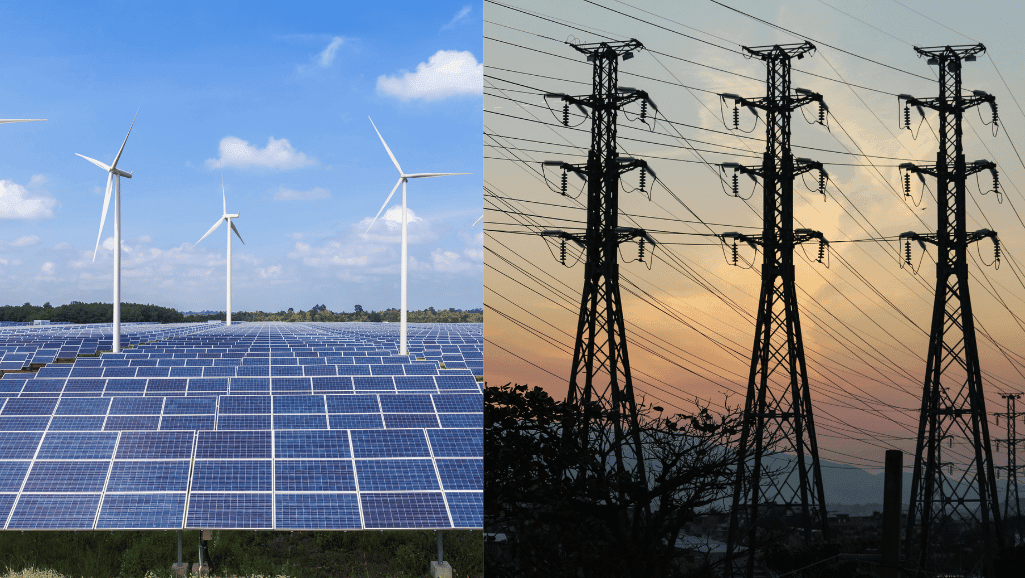
In recent years, the debate between solar energy and traditional electricity has grown. More people are looking for sustainable and affordable energy options. As we face climate change and increasing energy costs, knowing the differences between these two is key.
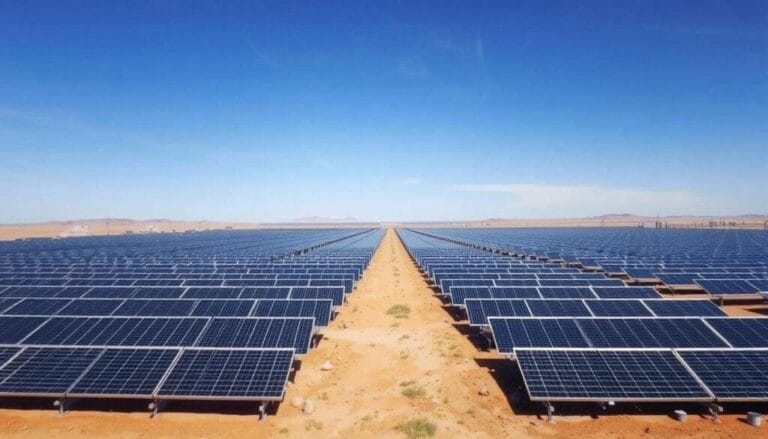
Solar energy uses photovoltaic systems and solar panels. It’s a green alternative to electricity made from fossil fuels. In 2020, solar power’s global capacity hit over 760 gigawatts, making it a strong player in the energy market. comparison between solar energy and electricity
Traditional electricity comes from finite resources like coal and oil. Solar energy, on the other hand, uses the sun’s endless power. This difference affects our planet, our environment, and our energy future. As solar panel tech gets better, choosing solar power becomes more appealing.
Switching to solar energy isn’t easy, though. It can be expensive upfront, and weather affects it. Yet, solar energy’s long-term perks, like lower bills and less pollution, are hard to ignore. It’s a good choice for homes and businesses.
Key Takeaways
- Solar energy offers a renewable and sustainable alternative to traditional electricity generated from fossil fuels.
- Global solar power capacity has surpassed 760 gigawatts, competing with other renewable energy sources.
- Solar panels have minimal environmental impact compared to the burning of fossil fuels.
- While initial installation costs can be high, solar energy provides long-term cost savings on electricity bills.
- Advancements in solar technology continue to improve efficiency and affordability.
Understanding the Basics of Solar Energy and Electricity
The world is moving towards cleaner energy, and solar power is a key player. To understand solar power’s potential, we need to know the basics of solar energy and electricity.
What is Solar Energy?
Solar energy is the sun’s radiant energy that we can use. It can be turned into electricity or heat. This clean energy is abundant and sustainable, helping to reduce carbon emissions and fight climate change.
How Does Solar Energy Work?
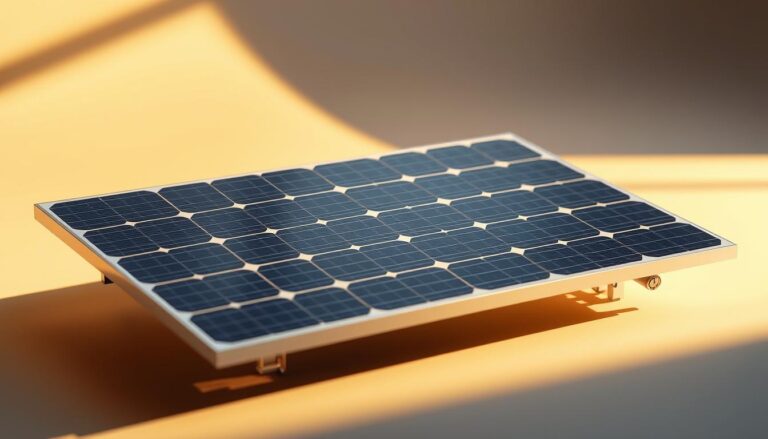
Solar power uses photovoltaic technology to turn sunlight into electricity. Solar panels capture sunlight, creating an electrical current. This current powers homes and businesses. Today’s solar panels are more efficient, reaching up to 25%.
What is Electricity?
Electricity is energy from moving electrons. It powers many devices and appliances. It comes from various sources, including fossil fuels and renewable energy like solar and wind.
How is Electricity Generated?
Most electricity comes from burning fossil fuels in power plants. This process heats water to steam, which turns turbines. But it also releases harmful greenhouse gases.
The amount of sunlight that strikes the earth’s surface in an hour and a half is sufficient to handle the entire world’s energy consumption for a full year.
Solar energy systems offer a clean alternative. They can be used in homes and businesses. Grid-tied systems let excess energy go back into the grid. Net metering policies give credits for this energy. Solar incentives and tax credits make solar power more affordable, helping us reduce our carbon footprint.
Differences Between Solar Energy and Traditional Energy Sources
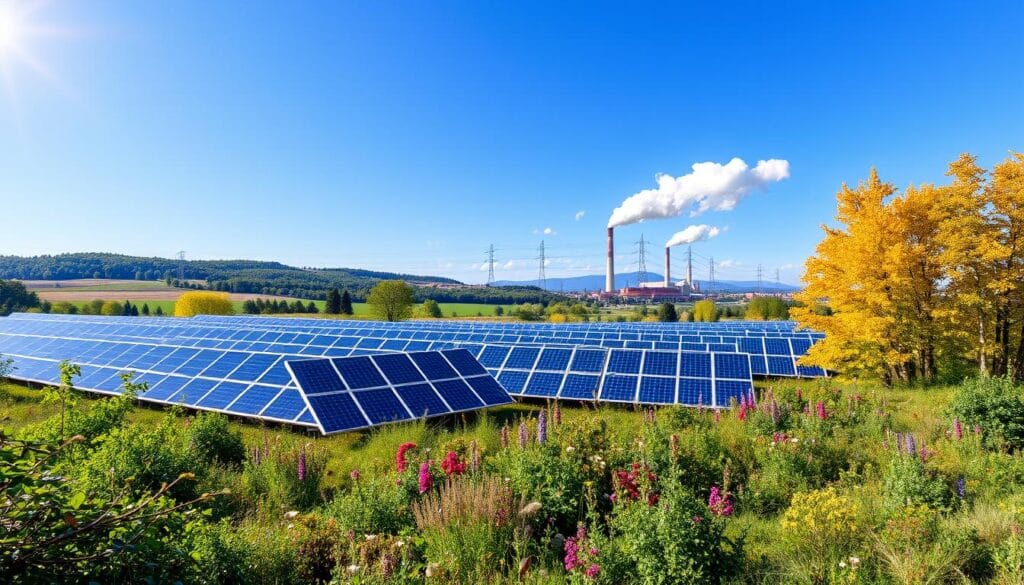
When we look at solar power vs electricity from traditional sources, there are key differences. These differences include the energy sources, environmental impact, and costs. Each option has its own unique aspects.
Energy Sources
Solar energy comes from the sun, a resource that never runs out. Traditional energy, like coal and oil, is limited and will run out. Switching to solar is important for a sustainable future.
Environmental Impact
Solar energy is much better for the environment than traditional energy. Solar panels don’t release harmful gases or pollutants. On the other hand, fossil fuels harm the climate and air quality.
Solar energy also uses less water than traditional power plants. This makes it a better choice, especially in areas where water is scarce.
Costs and Affordability
The cost of solar energy has gone down thanks to better technology and more production. While solar panels cost more upfront, they save money on electricity bills in the long run. This makes solar energy a good choice for many.
| Cost Factor | Solar Energy | Traditional Energy |
|---|---|---|
| Upfront Costs | Higher initial installation costs ($10,000 – $30,000 in Seattle) | Lower upfront costs |
| Long-term Costs | Low ongoing costs (no fuel, minimal maintenance) | Ongoing fuel and maintenance costs |
| Payback Period | 6-9 years on average, 5-20 years in Pacific Northwest | N/A – ongoing electricity bills |
| Incentives | Federal Investment Tax Credit (ITC) up to 30% of installation cost | Limited incentives for traditional energy |
The cost-effectiveness of solar power depends on location, size, and local rates. Homes with solar panels sell for 4% more than similar homes without. As solar technology improves and costs drop, solar power will become even more affordable.
Advantages of Solar Energy Over Traditional Electricity
Solar energy is becoming a top choice for power, beating traditional electricity in many ways. It’s a key part of the shift towards cleaner, greener energy. Let’s look at why solar energy is better than old-school electricity.
Renewable and Sustainable
Solar energy is endless and clean. Unlike fossil fuels, which run out, solar power is always there. This makes it a solid choice for our future energy needs.
Lower Environmental Impact
Solar energy is much kinder to our planet than traditional electricity. Solar panels don’t pollute, making them a healthier option. Switching to solar helps us cut down on harmful emissions and protect our environment.
Solar energy has no direct carbon emissions, contributing to a cleaner environment.
Long-term Cost Savings
While solar panels cost more upfront, they save money in the long run. They let you make your own electricity, cutting down on grid costs. As solar tech gets better, panels work more efficiently, saving even more money.
| Country | Solar Energy Cost | Traditional Electricity Cost |
|---|---|---|
| Italy | Lower | Higher |
| Spain | Lower | Higher |
| Australia | Lower | Higher |
Energy Independence
Solar energy gives people control over their power. With solar systems, you can make your own electricity. This means less reliance on the grid and more security, especially in areas with power issues.
- Solar energy is widely available and can be installed in a decentralized manner.
- Solar power is proving to be a more reliable energy source through advancements in battery storage technologies.
- Solar energy offers tangible financial benefits, with homeowners saving money on electricity bills and even earning through net metering by selling excess power back to the grid.
Challenges and Limitations of Solar Energy
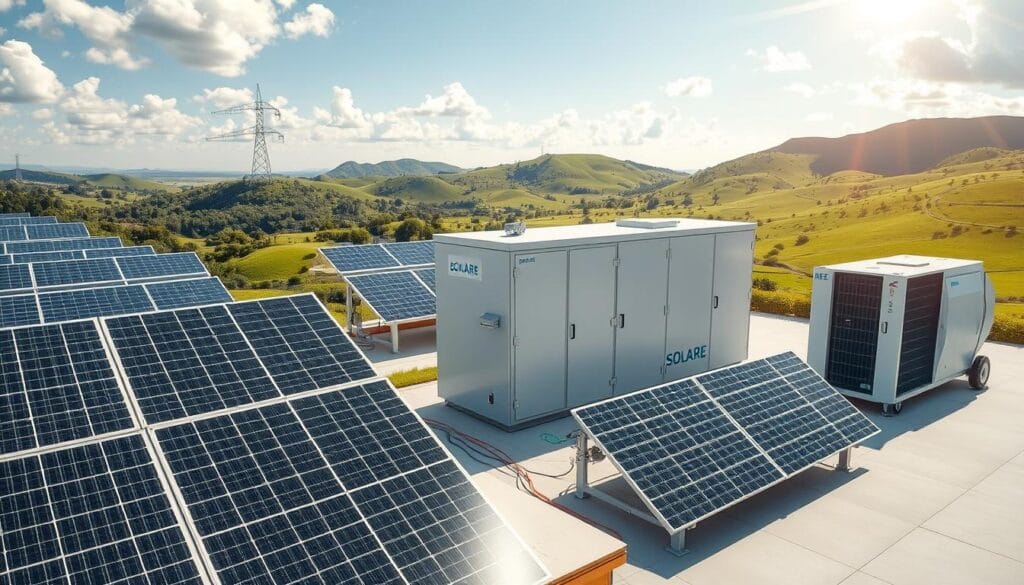
Solar energy is popular for being green and sustainable. Yet, it faces challenges and limitations. When we look at solar energy systems, we must consider several factors.
Initial Installation Costs
One big challenge is the high cost of starting up solar panels. Even though prices have dropped, the initial investment can be steep. The total cost includes panels, inverters, and installation.
But, solar panels can boost a home’s value by up to $15,000. Government incentives like tax credits and rebates also help lower the costs.
Dependence on Weather Conditions
Solar energy relies on good weather. Panels need sunlight to work well. In cloudy or rainy areas, they don’t perform as well.
Still, solar panels can work in different climates. Snow can even help by cleaning the panels and reflecting more light. New technologies have made panels more efficient, even in bad weather.
Energy Storage Solutions
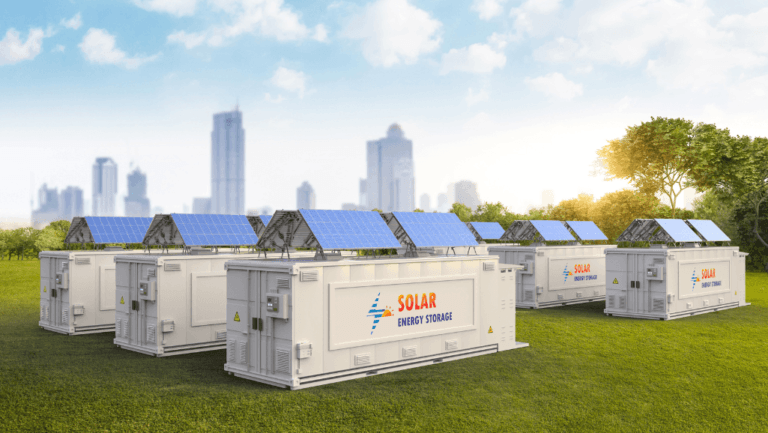
Energy storage is key to solving solar’s ups and downs. Solar batteries store extra energy for when the sun isn’t shining. But, these systems add to the cost.
Lithium-ion batteries are now a top choice for storing solar energy. They’re more powerful and cheaper than older types. As technology improves and costs fall, storing solar energy is getting easier and cheaper.
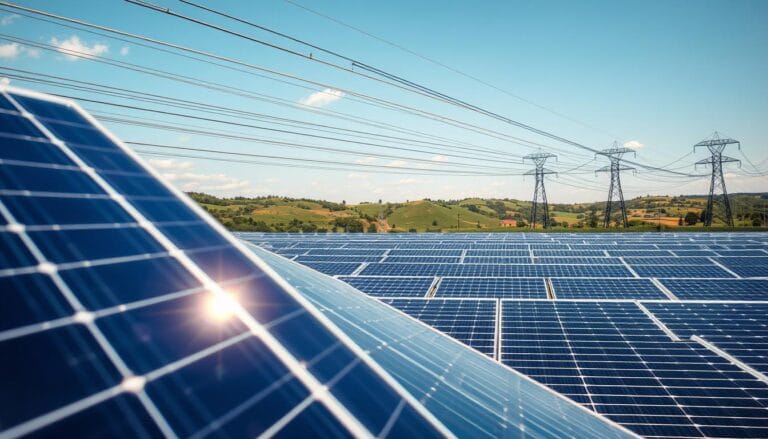
The development of utility-scale solar farms and the integration of solar energy into the grid through grid-tied solar systems have the potential to mitigate some of the challenges associated with the intermittent nature of solar energy.
| Challenge | Description | Potential Solutions |
|---|---|---|
| Initial Installation Costs | High upfront costs for solar panels, inverters, and installation | Government incentives, increased market competition, improved technology |
| Dependence on Weather Conditions | Reduced efficiency during cloudy or rainy weather | Advancements in solar panel technology, energy storage solutions |
| Energy Storage | Need for effective storage solutions to overcome intermittency | Lithium-ion batteries, utility-scale solar farms, grid-tied systems |
The solar energy field is growing and changing. Research and development are making solar energy more reliable and sustainable.
Comparison Between Solar Energy and Electricity
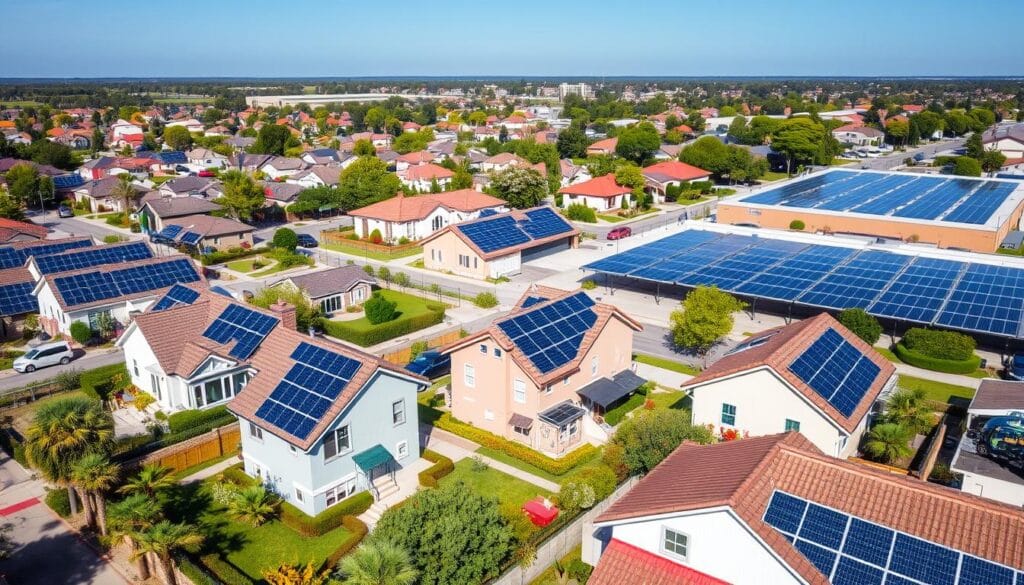
When we look at solar energy and traditional electricity, we see big differences. Solar energy comes from the sun, a renewable source. On the other hand, most electricity comes from non-renewable sources like fossil fuels. This means solar energy is better for the environment, while traditional electricity can harm it.
The cost of solar energy is going down thanks to new tech and more people using it. Traditional electricity costs can go up and down with the market. So, solar energy is a good choice for saving money in the long run, for homes and businesses alike.
| Factor | Solar Energy | Traditional Electricity |
|---|---|---|
| Energy Source | Renewable (sun) | Non-renewable (fossil fuels) |
| Environmental Impact | Minimal during operation | Contributes to greenhouse gas emissions and air pollution |
| Cost Trends | Decreasing due to technological advancements and adoption | Subject to market fluctuations and potential increases |
Solar incentives and rebates make solar energy even more appealing. These programs let users sell extra energy back to the grid. This makes solar a great choice for homes and businesses.
Solar panels can bring down a household’s yearly electricity bill significantly, dropping it from an average of $1,726.00 to $802.00 by generating 10,895 kWh of electricity annually.
In the long run, solar energy is a smart choice. It’s cheaper and better for the planet. With a return on investment in 5 to 7 years, solar energy helps save money and reduce carbon footprint.
Solar Energy vs. Wind Energy: A Comparative Analysis
When looking at renewable energy for homes and businesses, solar and wind energy are top choices. Each has its own benefits and challenges. It’s key to know the differences before deciding.
Solar panels can be 20% to 23% efficient, while wind turbines are around 50% efficient. Yet, one wind turbine can power thousands of solar panels. In a test in Spokane, Washington, solar panels made five times more electricity than a wind turbine over 14 months. This shows solar panels can still produce a lot of electricity, especially in good locations.
Solar panels need little upkeep, making maintenance costs low. Wind turbines, with their moving parts, require more service and cost more to maintain. Wind turbines are also more likely to get hit by lightning, adding to costs.
Installing solar panels is easier than wind turbines. Solar panels fit well on rooftops or ground structures. Wind turbines need big spaces and are at least 80 feet tall. This makes installing wind turbines harder and more expensive than solar panels.
The table below shows the main differences between solar and wind energy:
| Factor | Solar Energy | Wind Energy |
|---|---|---|
| Efficiency Rates | 20% to 23% | Around 50% |
| Maintenance Costs | Low | High |
| Installation Effort | Easy to install on rooftops or ground-mounted structures | Requires extensive site preparation and larger land areas |
The cost of solar panels has dropped a lot, making solar more affordable. In 2021, many solar users met over 95% of their electricity needs with solar. By comparing prices, people can save up to 25% on solar installations.
In summary, solar and wind energy both have good points and bad. Solar energy is easier to install and maintain, but wind energy is more efficient. The right choice depends on location, space, and energy needs. Making an informed decision can lead to lower costs and a greener future.
Environmental Impact and Cost Considerations: Solar Panels vs. Hydropower
When we look at solar panels and hydropower, we must think about their effects on the environment and costs. Both are clean alternatives to fossil fuels but have different impacts and costs.
Ecosystem Disruption
Solar panels have little effect on the environment. They can be set up on rooftops or in open areas without harming the ecosystem. But, hydropower projects like dams can change river flows and harm aquatic habitats.
Dams can flood nearby areas, moving wildlife and changing the ecosystem’s balance. This can lead to the loss of biodiversity and harm local communities.
Solar power works well in sunny places like deserts. But, hydropower needs rivers and cliffs for water flow. This limits where hydropower can be used, affecting local communities and biodiversity.
Initial Investment and Long-term Savings
Installing solar panels can be expensive, especially for homes and small businesses. But, prices have dropped, making solar more affordable. Solar panels also save money on utility bills over time.
Hydropower projects cost a lot to build but offer steady electricity. They are good for places with lots of water. Both solar and hydropower have low costs over their lifetimes, with solar prices falling.
| Factor | Solar Panels | Hydropower |
|---|---|---|
| Environmental Impact | Minimal ecosystem disruption | Significant alteration of river flows and aquatic habitats |
| Initial Investment | High upfront costs, but declining over time | Substantial investment for construction and infrastructure |
| Long-term Savings | Reduced utility bills and energy costs | Competitive lifetime generation costs |
| Government Incentives | Tax credits and rebates available | Varies by country and project |
| Energy Storage Solutions | Batteries and grid-tied systems | Pumped storage hydropower |
Governments give incentives like tax credits and rebates for solar energy. These help lower the cost of solar panels, making them more appealing. Hydropower support varies by country and project, based on local policies and regulations.
As solar tech improves, energy storage like batteries gets better and cheaper. This lets people store solar energy for later use. It reduces dependence on traditional power and saves on utility bills.
Efficiency and Emissions: Solar Energy vs. Biomass Energy
Solar energy and biomass energy are key alternatives to fossil fuels. They are both renewable but differ in efficiency and environmental impact. Let’s look at how solar and biomass systems compare in these areas.
Solar panels convert sunlight into electricity using semiconductors. They are clean and renewable. Modern solar panels are very efficient, turning 15-20% of sunlight into electricity. This shows how far solar technology has come, making it a good choice for homes and businesses.
Biomass energy systems, however, are less efficient, converting only 2-3% of energy. This is because burning organic materials like wood and waste leads to heat loss. Biomass is good for heat and electricity but is less efficient than solar.
Solar energy is better for the environment than biomass. Solar panels don’t release greenhouse gases or pollutants. This makes solar energy a green choice, helping reduce carbon footprint and fight climate change.
Biomass energy, on the other hand, involves burning organic matter. This can release carbon dioxide and pollutants. While biomass is seen as carbon-neutral, it can still harm the air and lead to deforestation if not managed well.
| Energy Source | Efficiency Rate | Emissions |
|---|---|---|
| Solar Energy | 15-20% | Zero emissions during operation |
| Biomass Energy | 2-3% | Carbon dioxide and other pollutants released during combustion |
Solar energy is cleaner and more efficient than biomass. But solar energy costs more upfront. Still, its low maintenance and energy savings make it a smart choice in the long run.
When looking at energy costs and carbon footprint, solar energy is better. It’s important to think about both initial costs and long-term benefits when choosing energy solutions. This helps us make sustainable choices for our homes and businesses.
The sun provides more than enough energy to meet the whole world’s energy needs, and unlike fossil fuels, it won’t run out anytime soon. As a renewable energy source, solar energy is an important part of our clean energy future.
In conclusion, solar energy is better than biomass in efficiency and environmental benefits. As technology improves and electricity rates change, solar energy will become more popular. This will lead to a cleaner, more sustainable energy future.
The Future of Solar Energy: Advancements and Potential
The world is moving towards clean energy solutions and sustainable living. Solar energy is leading the way to a greener future. Thanks to photovoltaic technology improvements and lower costs, solar power is becoming a strong alternative to traditional energy. In 2023, solar energy hit a record high of 413 gigawatts, showing its huge potential.
Technological Innovations
The solar industry has seen big leaps in technology. Solar panel efficiency, flexible solar cells, and solar concentrators have boosted performance and versatility. These advancements have made solar power more efficient and accessible for different uses. With ongoing research, we can look forward to even more exciting breakthroughs.
Declining Costs and Increasing Affordability
Solar energy’s cost has dropped by 50% in the last decade. This makes it easier for homes and businesses to switch to solar. In 2023, prices fell by another 50% from the year before. This trend is expected to continue, making solar power even more accessible.
The Solar Futures Study suggests solar could power 40% of the U.S. by 2035 with the right policies and cost cuts.
“The cost of solar energy has fallen over the past decade, making it accessible to small and medium-sized enterprises (SMEs).”
Government Incentives and Policies
Governments worldwide see solar energy as key to fighting climate change and reducing fossil fuel use. They’ve introduced incentives and policies to encourage solar adoption. For example:
- The United States extended federal tax credits for solar installations, offering a 30% tax credit for residential solar systems.
- China invested heavily in increasing solar capacity, constructing massive new solar farms and offering subsidies for solar technology research and development.
- India expanded its National Solar Mission, promoting large-scale solar projects and rooftop installations.
- Australia introduced rebate programs to reduce the cost of installing solar panels and promoted virtual power plants.
These policies have helped the solar industry grow fast. They’ve made solar power more competitive with traditional energy. As more countries support solar, its future looks brighter than ever.
| Country | Solar Capacity (2023) | Growth from 2022 |
|---|---|---|
| China | 200 GW | 100% |
| United States | 100 GW | 50% |
| India | 50 GW | 75% |
| Australia | 30 GW | 60% |
The future of solar energy is very promising. With ongoing tech improvements, lower costs, and government support, solar power is set to dominate the global energy mix. Solar energy, along with energy storage solutions like solar battery storage, is key to a cleaner, greener future. The journey to a sustainable world is underway, and solar energy is leading the way.
Integrating Solar Energy into Homes and Businesses
The world is moving towards cleaner energy, and solar power is leading the way. It’s becoming more popular, helping us use less fossil fuel and reduce pollution. By using the sun’s energy, we can lower our carbon footprint and save money on bills. Governments offer solar incentives and rebates to help make solar energy more affordable for everyone.
Residential Solar Installations
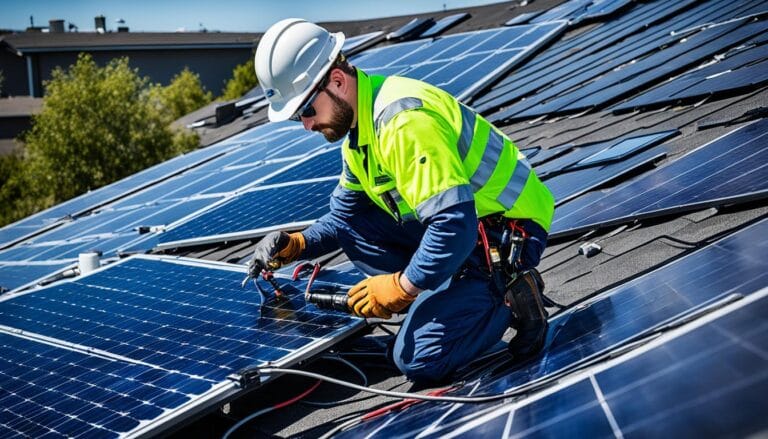
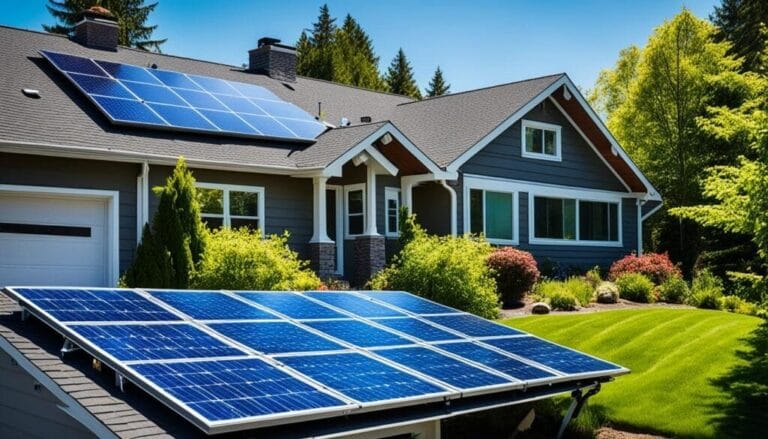
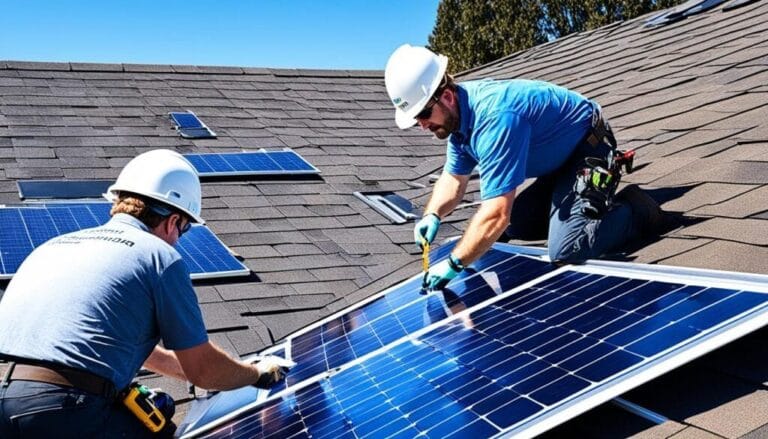
Residential solar installations put solar panels on homes or in yards. They can cut down or even eliminate electricity bills. Solar panels turn sunlight into electricity, and any extra can be sold back to the grid.
This is called net metering. It lets homeowners use less energy and might even earn credits on their bills.
Commercial Solar Projects
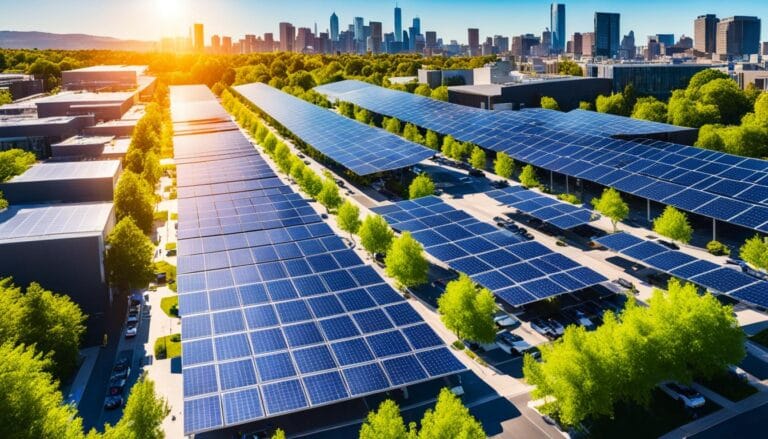
Commercial solar projects are bigger, on business properties like offices and warehouses. They help businesses save money and show they care about the planet. Solar power can supply electricity to many places, like homes and schools.
By going solar, companies can cut their energy costs and help the planet. It’s a big step towards using less non-renewable energy.
Net Metering and Grid-tied Systems
Net metering policies are key for solar energy use. They let solar system owners send extra electricity back to the grid. This can lower their bills and earn credits.
Grid-tied systems connect to the grid, making this possible. They need to handle electricity flowing both ways, from the grid to homes and back.
By 2030, up to 80% of electricity could flow through power electronic devices due to the increased integration of solar and distributed energy resources (DER) on the electrical grid.
More solar and DER on the grid brings challenges and chances for better reliability. Modern grids need to watch and control energy flow closely. Battery storage is key for using solar power when it’s needed most.
“Grid-forming” inverters can even start the grid during outages. They show solar energy’s role in keeping power on when it’s needed most.
| Application | Benefits |
|---|---|
| Calculators | Portable, long-lasting power source |
| Parking Meters | Reduced maintenance and operating costs |
| Trash Compactors | Energy-efficient waste management |
| Water Pumps | Sustainable irrigation and water supply |
Conclusion
The comparison between solar energy and electricity shows big differences. Solar energy is a renewable energy source that’s better for our planet. It’s more sustainable, has lower emissions, and saves money in the long run.
Solar technology is getting better, and solar incentives are helping more people use it. This makes solar power a great choice for homes and businesses.
Even though solar energy has its challenges, like high upfront costs and being weather-dependent, its benefits are clear. It helps us use less fossil fuels and fight climate change. With solar panel prices dropping and efficiency going up, it’s becoming a smart, affordable choice.
As we aim for a greener future, it’s key to think about our energy choices. By looking at the differences between solar energy and electricity and using solar incentives, we can make better choices. Choosing solar energy and other renewable energy sources is crucial for a cleaner planet and a better future.
FAQ
What is the main difference between solar energy and traditional electricity?
How does solar energy impact the environment compared to traditional electricity?
Are solar panels more expensive than traditional electricity?
Can solar energy provide a reliable and sustainable power source?
How do solar panels work to generate electricity?
What are the advantages of using solar energy over traditional electricity?
Are there any challenges or limitations to using solar energy?
How can I integrate solar energy into my home or business?