Skip to content


In the world of renewable energy, people often use “solar power” and “solar energy” interchangeably, but the two terms are distinct and both important. Solar energy is the raw energy produced by the sun — sunlight and heat that reach Earth. Solar power is the usable electricity we produce when we capture that energy with solar panels and convert it through systems like photovoltaic arrays and inverters.
The sun supplies an enormous amount of energy to our planet. While large numerical estimates about solar fusion (for example, the sun producing vast amounts of hydrogen every second) describe the star’s output, a more practical way to think about it is this: the sunlight that reaches Earth carries far more energy than society currently uses. Estimates commonly cited (and worth checking to match the latest sources) show that a small fraction of daylight captured across the globe could meet world energy needs for a year. Advances in solar panel technology and falling component costs mean converting that sunlight into solar power is now cheaper and more accessible for homes and businesses.
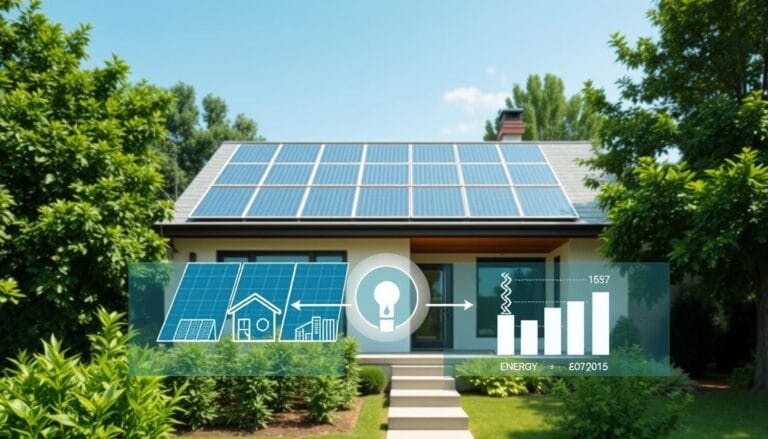
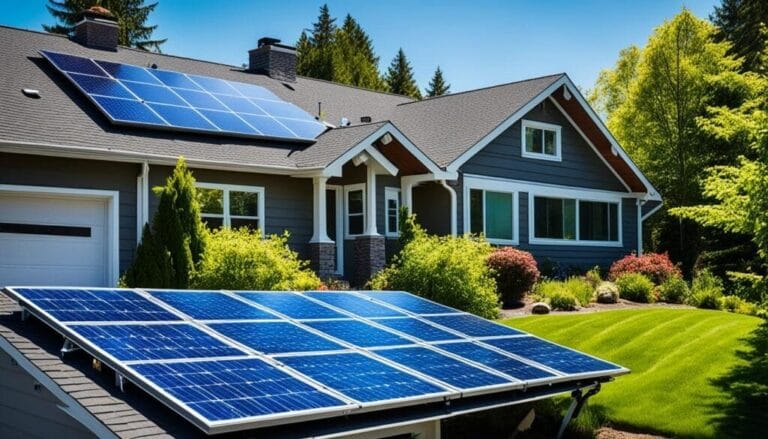
A typical residential solar system in Canada today is often sized between roughly 4 kW and 8 kW depending on household demand and roof space — which translates to around 10 to 24 standard rooftop panels depending on the panel wattage. (Panel cell counts vary — some panels use 36 cells, others 60, 72 or more per panel.) Those panels plus an inverter and balance-of-system equipment capture and convert solar energy into the electricity a home uses. Many Canadian homeowners can access federal and provincial incentives, grants or loans to lower upfront costs — check your provincial programs and the Canada Greener Homes Grant for current details.
Choosing solar power reduces reliance on coal and natural gas and lowers household carbon emissions. A typical payback period in Canada depends on system size, local electricity rates, and incentives — many recent examples show payback timelines often in the mid-single-digit years to the low double digits; a common estimate used in industry is roughly 5 to 7 years for well-sited systems with incentives, though your mileage may vary. For example, a 6 kW system in Toronto offsetting 6,000–8,000 kWh/year at current utility rates and with available rebates can show payback within that range; always run a local calculation to confirm savings and return on investment.
Key Takeaways
- Solar energy = the sun’s raw energy (heat and sunlight). Solar power = the electricity produced from that energy.
- Solar panels and inverters form a solar panel system that converts sunlight into usable electricity for a home or building.
- Sunlight reaching Earth contains vastly more energy than we currently use; advances in technologies are making it easier to harness that source.
- Typical residential systems today commonly use around 10–24 panels (panel wattage and cell count vary), sized to household demand.
- Canadian governments offer programs that help homeownersgoing solar.
- With current incentives and sensible sizing, many Canadian homeowners see payback periods in roughly 5–7 years, but results depend on system size, electricity rates, and local incentives — run a local estimate to confirm.
Understanding the Basics of Solar Power and Solar Energy
To compare solar power and solar energy we first need clear definitions. In physics, power is the rate at which energy is produced or used (watts, W); in everyday solar terms it describes how much electricity a solar panel or system can produce at a moment in time (for example, a 3 kW array produces up to 3 kilowatts while the sun is shining). Energy is the total work done over time and is measured in kilowatt‑hours (kWh) — the unit utilities use on your bill. A 3 kW system running at full output for one hour produces 3 kWh of energy.
Defining Power and Energy
These distinctions matter because they affect how systems are sized and how homeowners estimate savings. Solar PV (photovoltaic) panels convert sunlight into electrical power using the photovoltaic effect first observed in 1839; the first practical silicon solar cell for electricity was developed at Bell Labs in 1954. Solar PV panels create electricity directly, while solar thermal panels capture the sun’s heat for water and space heating. A panel’s rated power depends on its size and efficiency; the energy it produces depends on that power and how many hours of effective sunlight it receives.
The Role of Solar Power and Solar Energy in Sustainable Living
Both solar power and broader solar energy play a central role in renewable energy strategies. Capturing more of the sun’s energy for electricity and heat reduces reliance on fossil fuels and lowers a household’s carbon footprint, helping to fight climate change. Improvements in technologies and falling hardware and installation costs have made it easier for homes and businesses to adopt rooftop and utility-scale solar systems.
| CountrySolar Power Capacity (GW) | |
| China | 253.4 |
| United States | 73.8 |
| Japan | 67.0 |
| Germany | 53.8 |
| India | 42.8 |
Global solar power capacity has grown rapidly; the table shows leading countries by installed capacity (confirm the year and source when publishing). As costs decline and clean energy deployment accelerates, solar power and solar energy will become an even larger part of the global energy source mix.
What is Solar Power?
Solar power is the process of turning sunlight into usable electricity, most commonly via photovoltaic (PV) cells mounted in solar panels. Photovoltaic cells generate a direct electric current when exposed to sunlight; that DC power is then converted to AC by an inverter so it can run appliances or feed the grid. Solar power can serve single homes, commercial buildings, microgrids and utility-scale plants — making it a flexible energy solution for many scales.
The Photovoltaic Effect: Harnessing Sunlight for Electricity
The photovoltaic effect — first observed experimentally in 1839 and commercialized much later — underpins modern solar power. The first practical silicon PV cell came from Bell Labs in 1954, marking the start of today’s PV industry. Over the last decade, module prices and installed-system costs have fallen dramatically (verify specific percentage declines for your publication year), which has helped drive rapid solar adoption and lower the levelized cost of electricity from PV systems.
Because of how abundant sunlight is, capturing even a small portion can produce large amounts of energy: commonly quoted estimates note that the sunlight falling on Earth in an hour or two contains as much energy as current global annual consumption — check the latest authoritative source for an exact figure before publishing. That abundance, combined with improving technologies, makes solar power an increasingly attractive option for electricity generation and energy
Applications of Solar Power in Daily Life
Solar power is used across many contexts. Typical applications include:
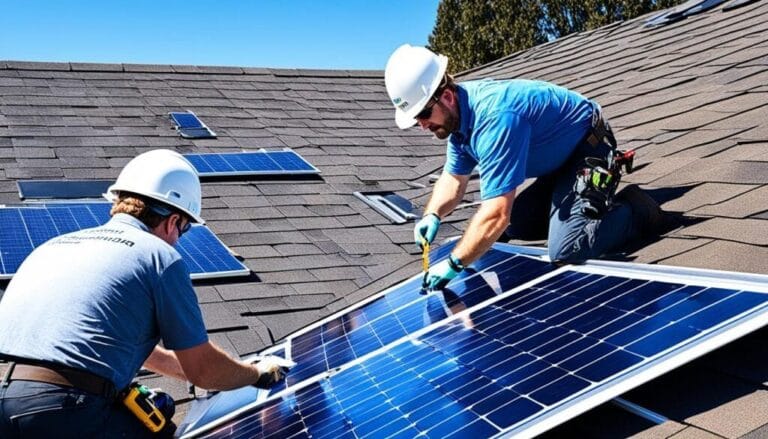
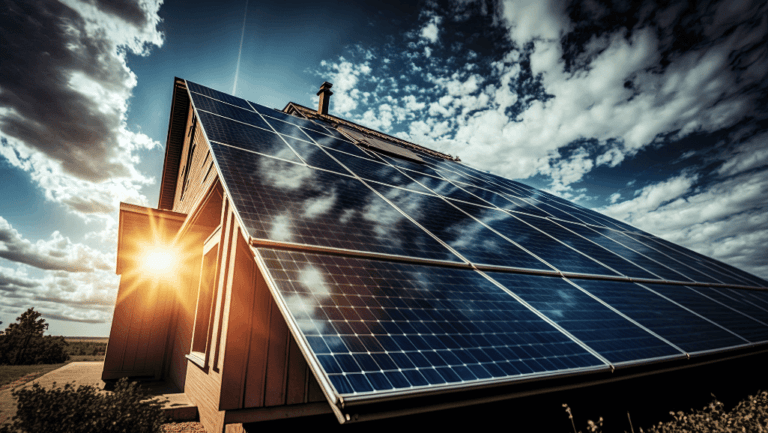
- Residential solar — rooftop solar systems that power homes and reduce monthly electricity bills;
- Commercial solar — rooftop or carport arrays for businesses that lower operating costs;
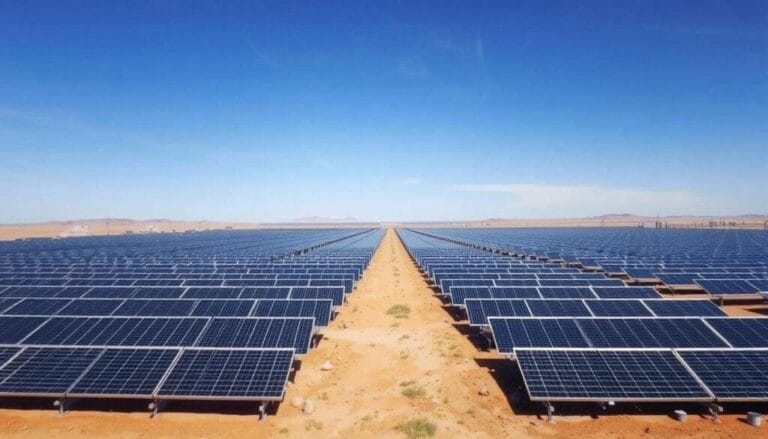
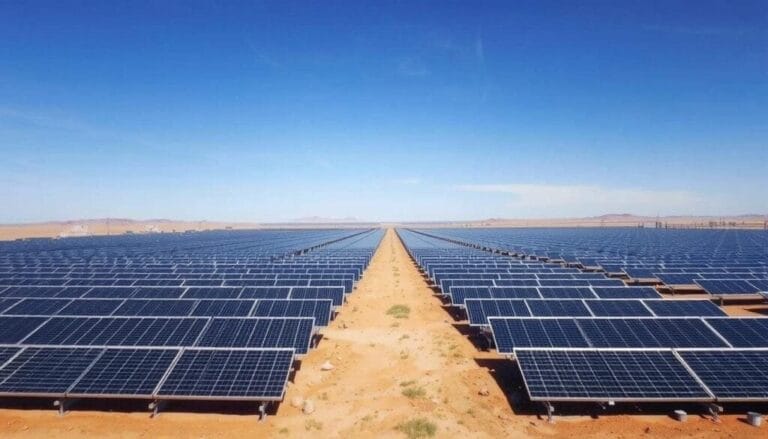
- Utility-scale solar — large solar farms producing hundreds of megawatts to supply the grid;
- Community solar — shared installations that let customers subscribe for a portion of the generation;
- Solar-plus-storage systems — PV paired with batteries to provide power when the sun isn’t shining.
Small off-grid uses (solar-powered lights, pumps, calculators) show how PV scales from tiny devices to large power plants. As an example of grid-scale generation, utilities build solar parks that can produce hundreds of megawatts; residential systems typically range from a few kilowatts up to 10 kW or more depending on home size and energy needs.
| Type of Solar Panel SystemDescription | |
| Residential Solar | Solar panels used in residential systems found on rooftops across the United States |
| Commercial Solar | Solar installations on businesses and commercial properties |
| Utility-Scale Solar | Large-scale solar power plants built by utilities to provide energy to grid-connected customers |
| Community Solar | Solar installations shared by multiple community members, allowing access to solar power for those who cannot install their own systems |
| Solar-Plus-Storage Systems | Solar panel systems combined with energy storage solutions, enabling the use of solar power even when the sun is not shining |
Solar power also supports humanitarian and innovative uses: for example, solar-powered refrigeration preserves vaccines in remote areas, and research projects (such as proposals to collect solar energy in space) explore future ways to increase generation potential. When referencing industry growth (for example, compound annual growth rates or national installed capacity like the U.S. number cited previously), confirm the year and source so figures remain accurate at publication.
What is Solar Energy?
Solar energy refers to all the energy that comes from the sun — not only the sunlight that can be turned into electricity but also the heat that warms our planet and supports life. Beyond powering homes and businesses, solar energy is the source of warmth, daylight and the chemical energy plants store through photosynthesis.
Solar thermal systems capture the sun’s rays as heat rather than electricity. That heat can be used directly to warm water, heat spaces, or supply industrial process heat. Because they deliver heating rather than electrical generation, solar thermal technologies often pair well with domestic hot water systems, district heating and industrial applications where heat is the required energy form.
The natural greenhouse effect (driven by solar energy entering the climate system) keeps Earth habitable by trapping some of that heat; human-caused increases in greenhouse gases are intensifying that effect and driving climate change. At the same time, capturing more solar energy for our needs — in forms that replace fossil fuels — reduces greenhouse gas emissions.
Solar energy does have limits: it’s typically available only during daylight and varies with weather and seasons. That intermittency can make consistent supply a challenge, and upfront costs for some projects remain significant. However, capital costs for both PV and solar thermal systems have fallen in recent years, and pairing systems with storage (thermal tanks or batteries) and smart controls reduces variability and improves reliability.
For context on scale: published estimates often note that the sunlight falling on Earth every hour or two contains as much energy as current annual human consumption — verify the precise number and source before publishing to ensure consistency with other claims in this article. Meanwhile, installed global solar PV capacity has risen sharply over the last decade (confirm the data year when publishing), illustrating how rapidly solar energy is being deployed as a clean energy source.
| YearGlobal Solar PV Capacity (GW)Annual Capacity Addition (GW) | ||
| 2010 | 40 | 17 |
| 2015 | 227 | 51 |
| 2020 | 710 | 125 |
The table illustrates rapid growth in global solar PV capacity over the 2010–2020 period (confirm source and update with latest figures when editing for publication). That growth shows the uptake of solar energy as a major power and heat source worldwide.
In short, solar energy is broader than electricity alone: it includes heat, light and the energy that sustains ecosystems. As deployment increases, both solar PV and solar thermal systems will be important parts of a net‑zero energy mix.
Solar Thermal Systems: Capturing the Sun’s Heat

Solar thermal systems harvest solar energy as heat using collectors that concentrate or absorb radiation. Common collector types include:
- Flat-plate collectors — cost-effective for domestic hot water and space heating;
- Evacuated-tube collectors — higher performance in cold climates where heat losses must be minimised;
- Concentrating collectors — used in concentrated solar power (CSP) plants to reach high temperatures for steam production and power generation.
Solar Water Heaters: Reducing Energy Bills and Conventional Heating Reliance
Solar water heaters are among the most common residential solar thermal applications. Systems heat water using collectors and store it in an insulated tank for later use. In many Canadian climates, a properly sized solar water heater can supply a substantial share of a household’s hot water demand — cutting energy consumption from conventional gas or electric heaters and lowering bills. Whether to choose an active (pump-driven) system or a passive (thermosiphon) system depends on local climate, roof orientation and hot-water demand.
| System TypeEfficiencyLifespan | ||
| Low-temperature solar thermal | 20% to 40% | 20-25 years |
| Medium-temperature solar thermal | 40% to 60% | 20-25 years |
| High-temperature solar thermal (CSP) | Up to 80% or more | 20-25 years |
These efficiency bands and lifespans are typical ranges; verify specific product specifications and local performance data when comparing systems. Industrial applications include process heating, desalination and steam production. CSP plants use mirrors or lenses to concentrate sunlight to achieve the high temperatures needed to produce steam and drive turbines.
Because solar thermal systems produce heat directly, combining them with thermal energy storage (insulated tanks or phase-change materials) allows heat to be used when the sun isn’t shining. This storage capability makes solar thermal a reliable complement to PV in many settings and a practical substitute for fossil-fuel heating in both domestic and industrial uses.
The Greenhouse Effect and Solar Energy’s Role in Sustaining Life

Solar energy is the primary driver of Earth’s climate and the foundation of life. When sun rays reach Earth, roughly 30% is reflected back to space while the remainder is absorbed by the surface and atmosphere and converted to heat. That heat is partly trapped by greenhouse gases (water vapour, carbon dioxide, methane), a natural process called the greenhouse effect that keeps the planet warm enough to support ecosystems and human life.
The greenhouse effect is essential — without it the Earth would be far colder — but human activities (burning fossil fuels, deforestation) have increased atmospheric greenhouse-gas concentrations, strengthening the effect and driving climate change. Using more solar power and other clean energy sources reduces greenhouse-gas emissions and helps stabilise the climate.
How Solar Energy Maintains Earth’s Temperature
Solar energy controls Earth’s energy balance. Changes in solar input (for example due to Earth’s tilt or small variations in solar output) influence long-term climate patterns. The atmosphere acts like a blanket: it lets incoming sunlight pass through but absorbs and re-radiates outgoing infrared heat, producing an average surface temperature near 15°C (59°F) — a balance that supports life. (Confirm exact modern averages and attribution statements with the latest climate data when publishing.)
The Importance of Greenhouse Gases in Trapping Heat
Greenhouse gases such as CO2, CH4 and N2O absorb outgoing infrared radiation and re-send it back toward the surface, reducing heat loss to space. Their atmospheric lifetimes and global warming potentials differ (for example methane has a shorter lifetime but higher short-term potency). Reducing emissions from fossil-fuel power generation and other sources is central to limiting further warming, sea-level rise and more extreme weather.
| Greenhouse GasAtmospheric Lifetime (years)Global Warming Potential (100-year time horizon) | ||
| Carbon Dioxide (CO2) | Variable | 1 |
| Methane (CH4) | 12 | 28-36 |
| Nitrous Oxide (N2O) | 121 | 265-298 |
Photosynthesis: The Foundation of Life Powered by Solar Energy

Photosynthesis converts sunlight into chemical energy: plants, algae and some bacteria capture sunlight and carbon dioxide to build carbohydrates and release oxygen. This ancient process underpins food chains and the global carbon cycle — without it, complex life as we know it would not exist.
Global photosynthesis is enormous: terrestrial and marine photosynthetic organisms together process vast quantities of CO2 and produce large amounts of oxygen each year. Estimates vary by study, so confirm the latest scientific figures before publishing; commonly cited high-level figures and relative contributions (for example from cyanobacteria, land plants and oceanic algae) illustrate how vital photosynthesis is to the planet.
At the organismal level, leaves host chloroplasts that convert light into biochemical energy; at the ecosystem level, photosynthesis supports primary production that feeds herbivores and higher trophic levels. Oceanic plankton (including cyanobacteria) contribute a very large share of global photosynthetic production, emphasising that both land and sea are critical in the Earth’s energy and carbon cycles.
| Photosynthetic OrganismContribution to Global Photosynthesis | |
| Cyanobacteria | ∼50% |
| Land Plants | ∼40% |
| Oceanic Algae | ∼10% |
Fossil Fuels: A Nonrenewable Legacy of Solar Energy
Fossil fuels — petroleum, natural gas and coal — are ancient stores of solar energy. Millions of years ago, plants and microorganisms captured sunlight via photosynthesis; after burial and geologic processing, that stored biochemical energy became the hydrocarbons we extract today. Because formation took geological timescales, fossil fuels are nonrenewable on human timescales.
The Origins of Petroleum, Natural Gas, and Coal
Marine microorganisms and terrestrial vegetation that once used solar energy were buried, transformed by heat and pressure, and converted into petroleum, gas and coal over millions of years. The chemical energy locked in these deposits is released when burned, which is why fossil fuels historically powered industrial development.
Environmental Challenges Associated with Fossil Fuels
Burning fossil fuels releases CO2 and other pollutants that degrade air and water quality, damage habitats and drive climate change. The tables below summarise typical environmental impacts from major fossil fuels:
| Fossil FuelEnvironmental Impact | |
| Petroleum | Oil spills, air pollution, greenhouse gas emissions |
| Natural Gas | Methane leaks, groundwater contamination, greenhouse gas emissions |
| Coal | Air pollution, acid rain, land degradation, greenhouse gas emissions |
Reducing our reliance on fossil fuels by expanding solar power and other renewable sources cuts greenhouse-gas emissions and the broader environmental harms from extraction and combustion. For Canadian readers: note that local climate (snow, cold temperatures, solar irradiance) affects how much energy produced a rooftop system delivers — consult a local installer to estimate seasonal generation and steps to minimise snow losses (panel tilt, snow guards, monitoring).
Transitioning to clean energy like solar not only reduces the carbon footprint of energy generation but also conserves water and avoids many of the land and pollution impacts associated with fossil fuel production. Together with conservation and efficiency measures, solar technologies are a key component of a more sustainable energy future.
Solar Power vs Solar Energy: Key Differences and Similarities
Although people often use the terms interchangeably, solar power and solar energy refer to related but different concepts. Solar power specifically means the electricitysolar panels. Solar energy is broader: it includes all forms of energy from the sun — light, heat and the biological energy that sustains ecosystems. Understanding this difference helps homeowners, businesses and policymakers choose the right technologies
Scope and Applications
Both solar power and solar energy have many practical uses. PV systems convert sunlight into electricity to supply homes, businesses and the grid, while solar thermal systems deliver heating
Solar solutions scale from single solar system installations on a house (a few kW) to multi-megawatt utility projects. Each scale has trade-offs: residential systems provide direct bill savings and local resilience; utility-scale generation delivers large amounts of low‑carbon power to many consumers.
Environmental Impact and Sustainability
Using the sun as an energy source reduces reliance on fossil fuels and cuts greenhouse-gas emissions, which is central to fighting climate change. Solar technologies produce electricity with minimal on-site air pollution and use far less water than many conventional thermal power plants, making them a strong option in regions with water constraints.
Manufacturing panels and other components does use resources and energy, so lifecycle impacts should be considered. Many manufacturers are reducing water use and improving recycling; verify supplier claims and lifecycle assessments when comparing systems.
| Energy SourceGlobal Energy Production (2018) | |
| Fossil Fuels | 81% |
| Hydroelectricity and Other Renewables | 14% |
| Nuclear Energy | 5% |
The Environmental Benefits of Embracing Solar Technology
Adopting solar technologies reduces greenhouse-gas emissions and air pollution, helps conserve water and avoids many of the land- and pollution-related impacts of fossil fuel extraction. When sited responsibly, solar power provides clean, local generation that supports grid decarbonization and resilience.
Reducing Greenhouse Gas Emissions and Air Pollution
Generating electricity with PV removes the combustion step that emits CO2 and other pollutants, lowering a household’s or site’s carbon footprint. Solar installations also typically require less continuous water use than coal or gas-fired power plants, cutting stress on local water resources.
Mitigating Climate Change and Promoting a Cleaner Planet
More solar energy deployment helps decarbonize electricity systems and supports broader renewable-energy goals. Manufacturers such as REC Group have reported reductions in water consumption per MW produced; when checking such figures, confirm the source and reporting year to ensure accuracy.
| YearWater Consumption per MWReduction | ||
| 2021 | 761 m³ | – |
| 2022 | 628 m³ | 17.5% |
These kinds of efficiency improvements reduce the environmental footprint of panel production and support the case for large-scale adoption of solar power.
Economic Advantages of Investing in Solar Power and Solar Energy
Investing in solar systems can deliver meaningful savings and economic benefits for homeowners, businesses and communities. Solar reduces electricity purchased from the grid, and in many jurisdictions incentives, rebates and net‑metering policies improve return on investment.
Typical payback and return figures depend on system size, local electricity rate, available incentives and site performance. For example, well-designed residential systems in favourable markets commonly see payback periods in the 5–10 year range; commercial systems often show similar or better returns because of larger scale and demand profiles. Always run a local estimate for accurate savings projections.
Governments and utilities often offer incentives and financing to lower upfront costs and improve affordability. For Canadian readers, check federal and provincial programs and local net‑metering rules; for U.S. readers, review federal tax incentives and state rebate programs. These policies materially affect investment returns.
| InvestmentAnnual SavingsBreak-Even Point | ||
| Residential Solar System | 20-30% ROI (typical range) | 6-10 Years (typical) |
| Commercial Solar System | 15-30% ROI (typical range) | 6-10 Years (typical) |
Beyond direct financial returns, solar adoption supports local job creation in manufacturing, installation and maintenance, and increases property resilience and value. If you’re considering going solar, calculate expected generation for your location, factor in incentives, and compare financing options to estimate payback and lifetime benefits.
Conclusion
Solar power and solar energy are central to a cleaner, more resilient energy future. Advances in solar technologies have reduced costs and improved performance, so more homes, businesses and utilities are deploying PV and solar-thermal systems around the world. Using solar as an energy source helps reduce fossil-fuel use, cut emissions and increase energy independence.
Choosing solar power and broader solar-energy solutions can lower electricity bills, reduce carbon footprints and support local economic growth through new jobs in installation and maintenance. Continued research and policy support will make solar systems more efficient, affordable and integrated with storage and smart-grid solutions — improving reliability and the value of the energy produced over time.
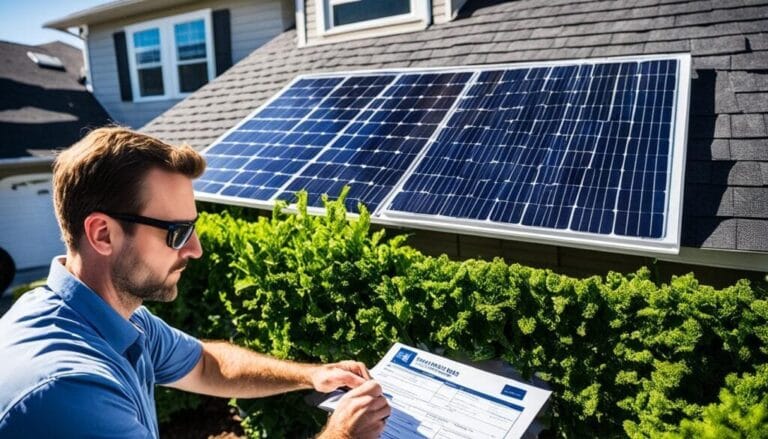
If you’re thinking of going solar, start by getting a local site assessment, comparing quotes from certified installers, and checking federal and provincial incentives (for Canadian readers) or national tax credits (for U.S. readers). A simple solar savings estimate that uses your location, roof orientation and current electricity rate will give the best idea of payback and lifetime savings.
FAQ
What is the difference between solar power and solar energy?
How does solar power work?
What are the main applications of solar power?
How do solar thermal systems work?
What role does solar energy play in sustaining life on Earth?
Are fossil fuels related to solar energy?
What are the environmental benefits of solar?
What are the economic advantages of investing in solar?
Incentives & Taxes (note for readers)
How to proceed
Should I consult a professional?